
Radiators
Modern radiators in white, anthracite, across multiple sizes. Delivered from UK stock with local professional support.
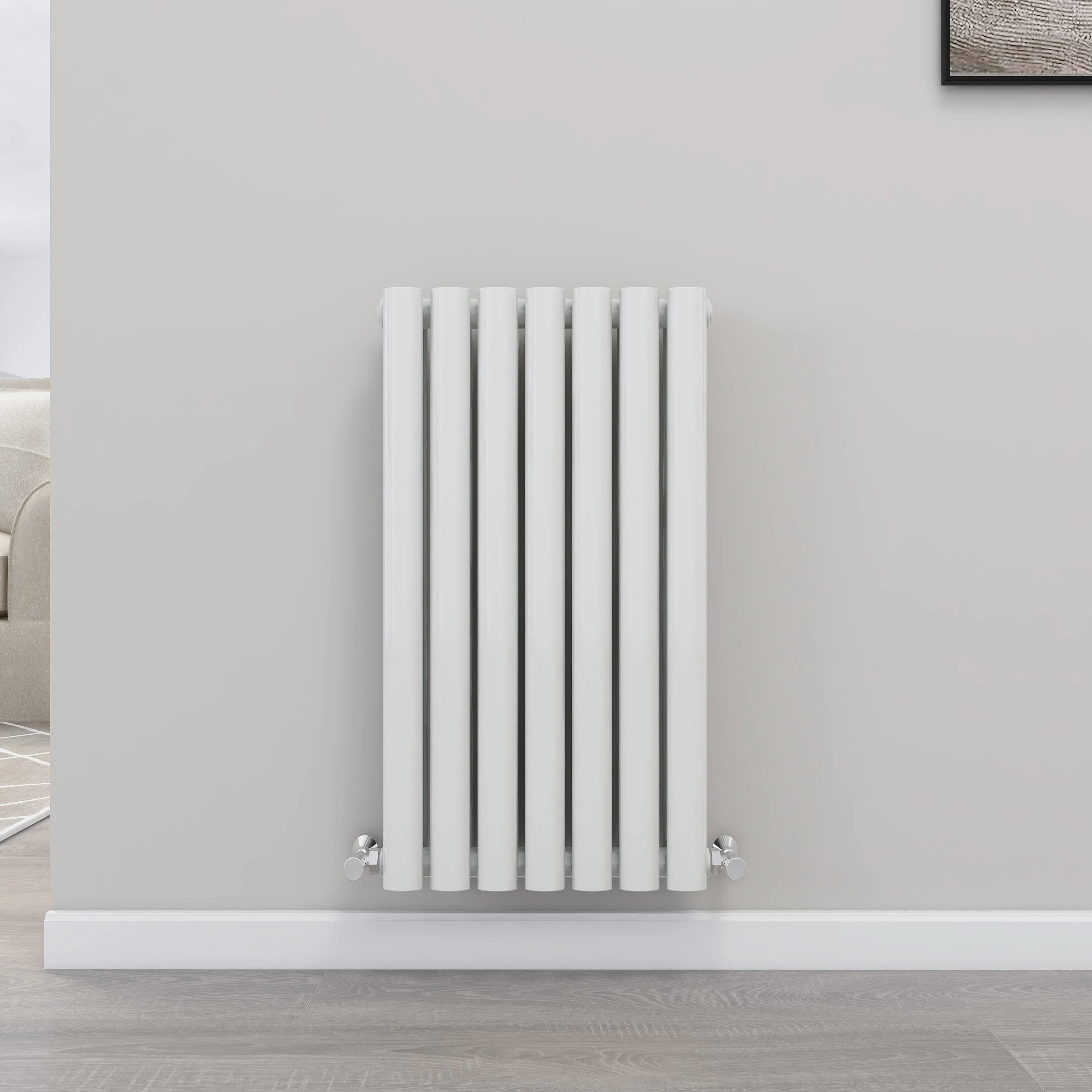
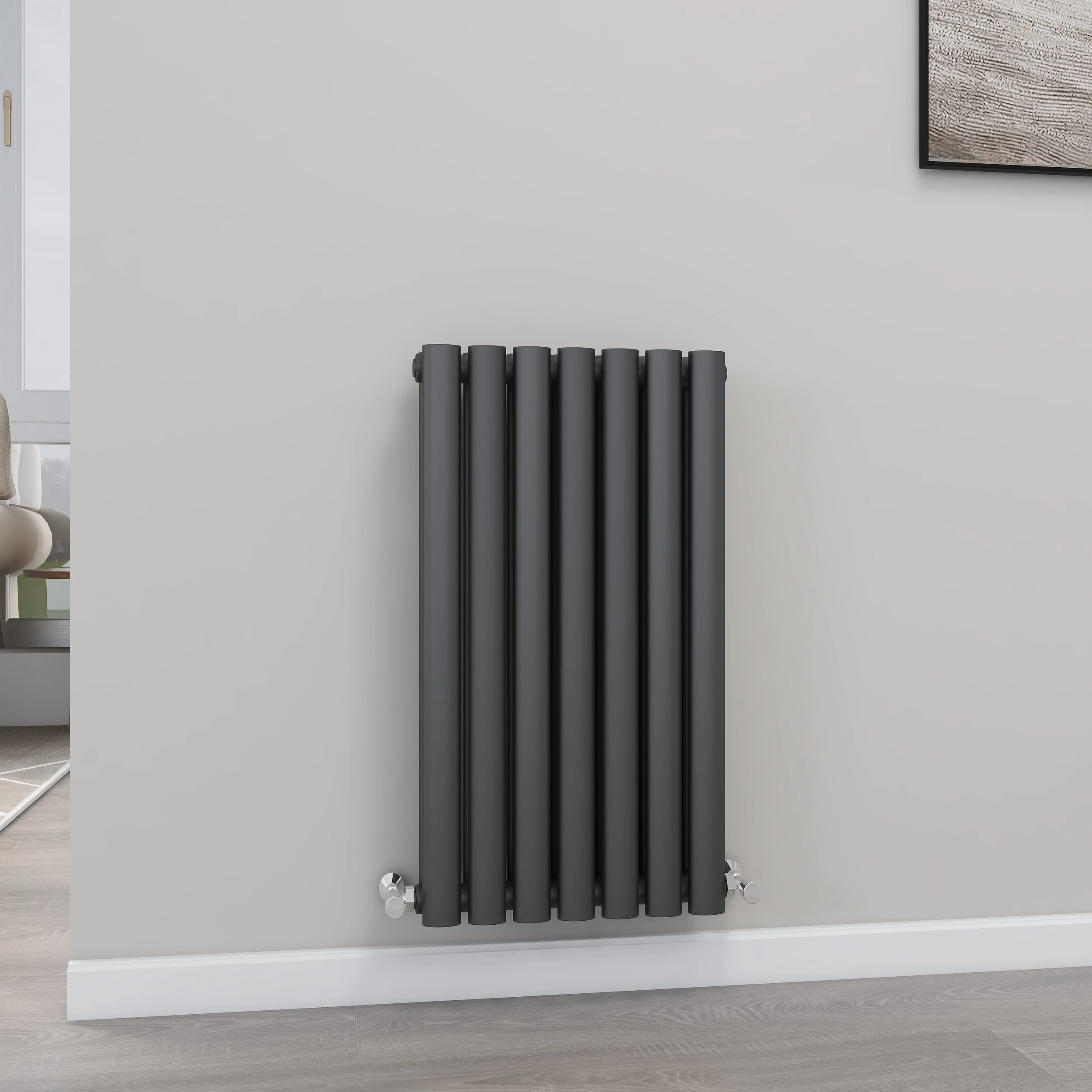
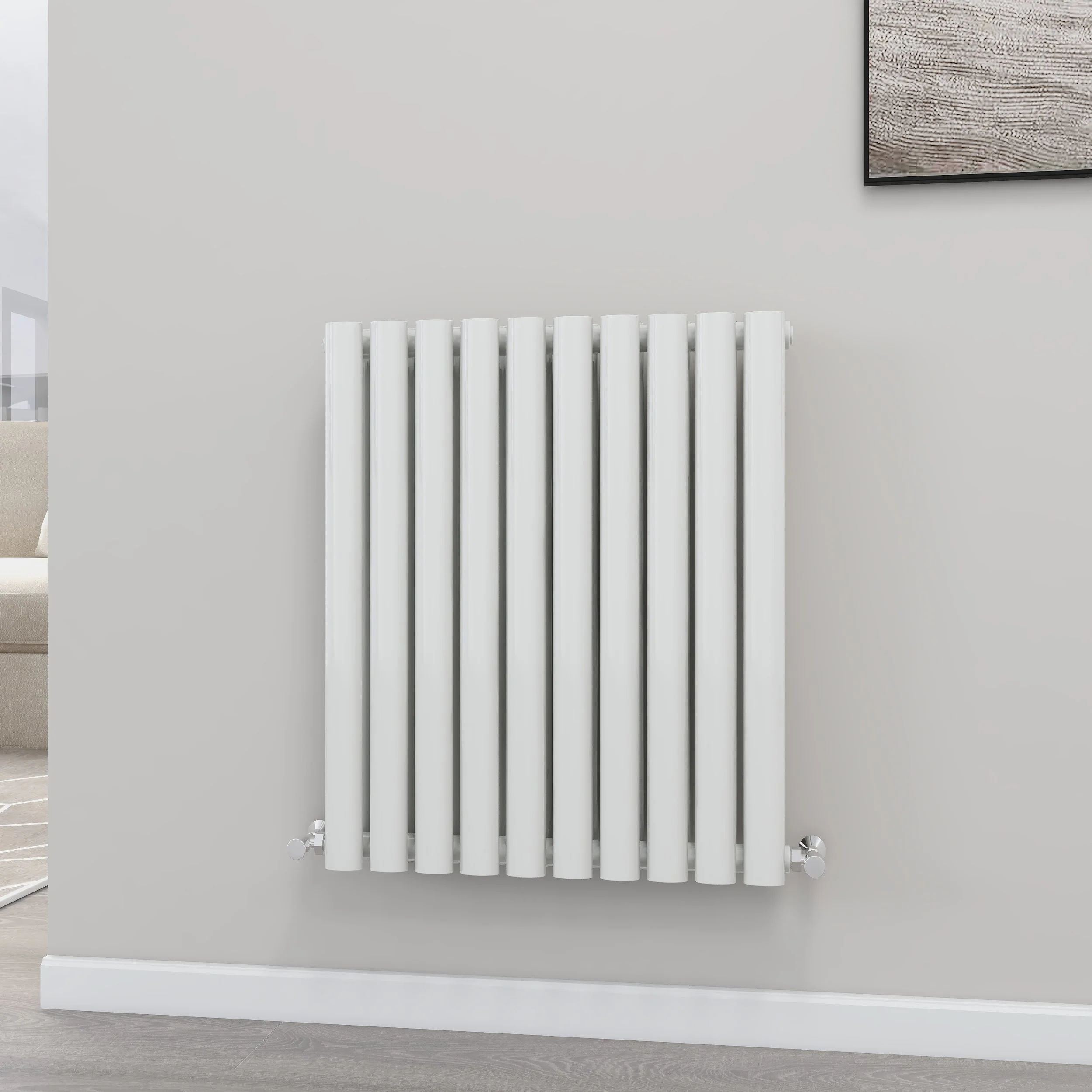
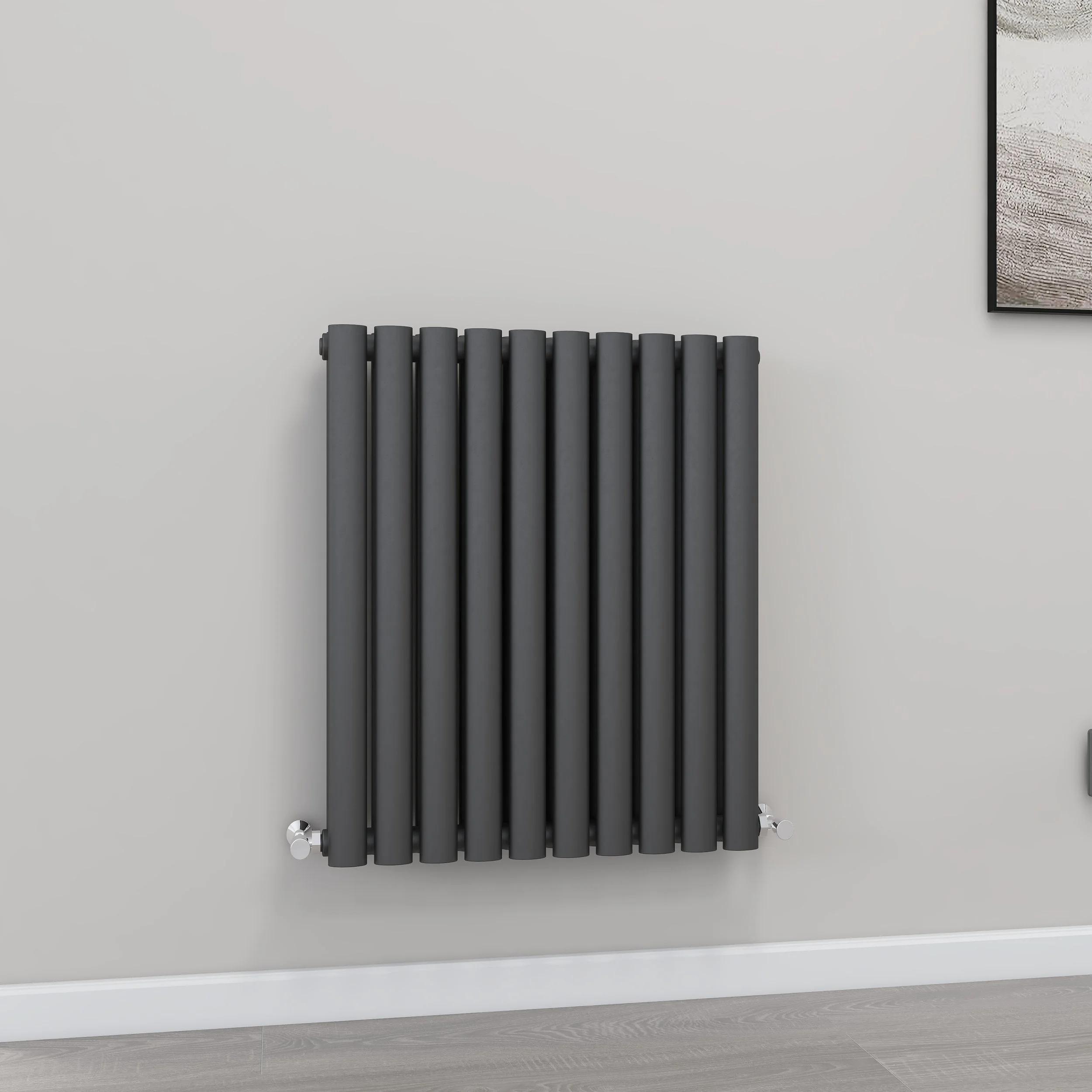
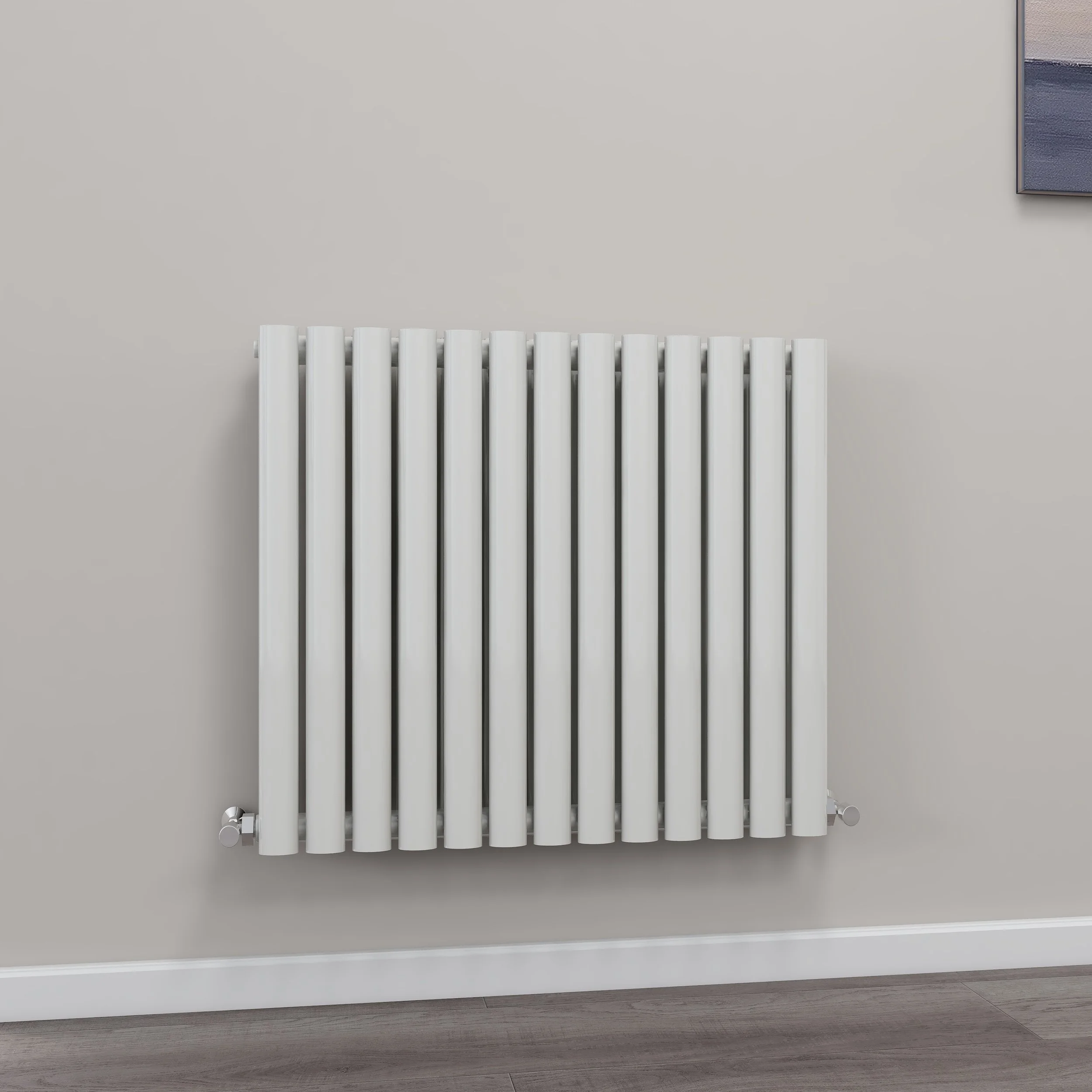


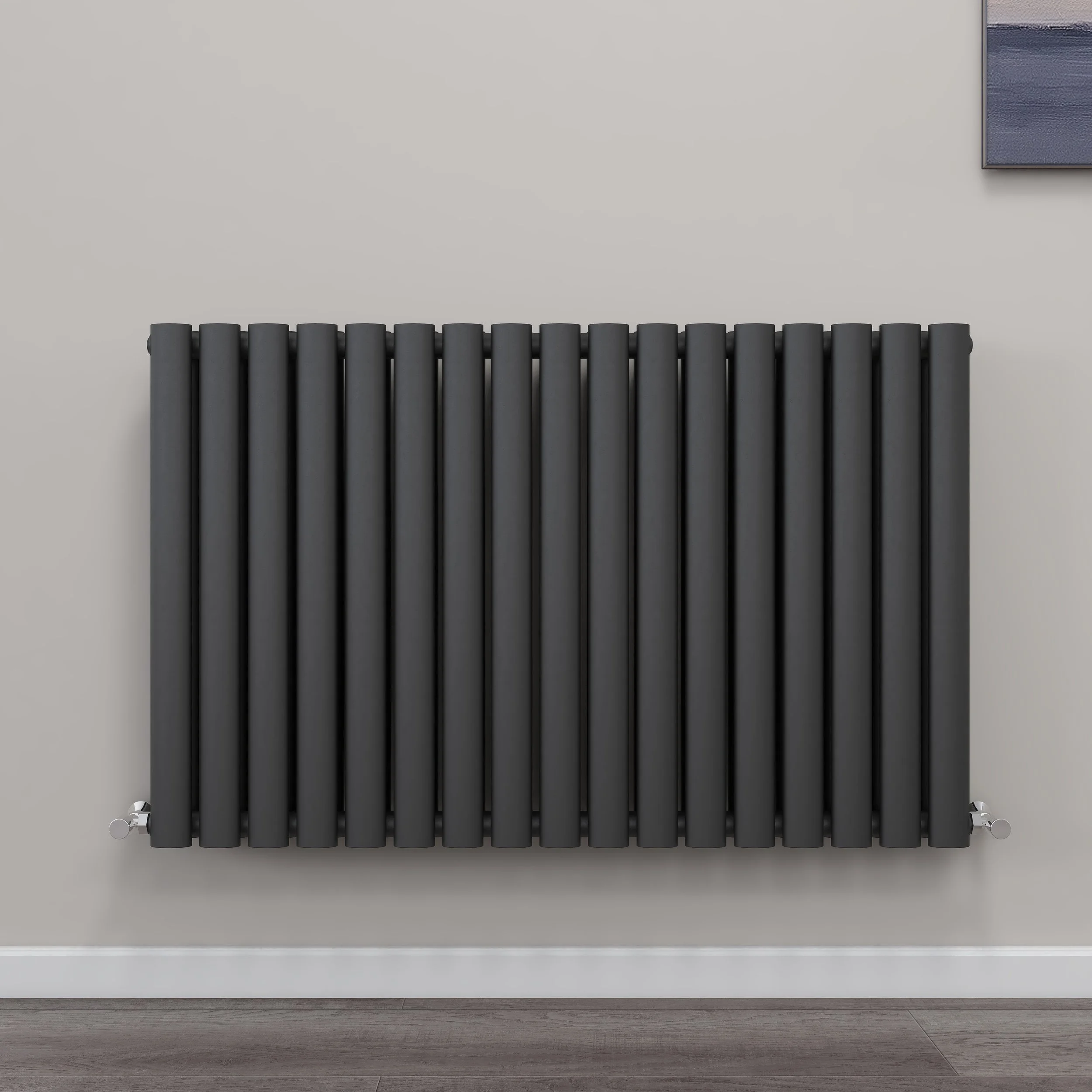


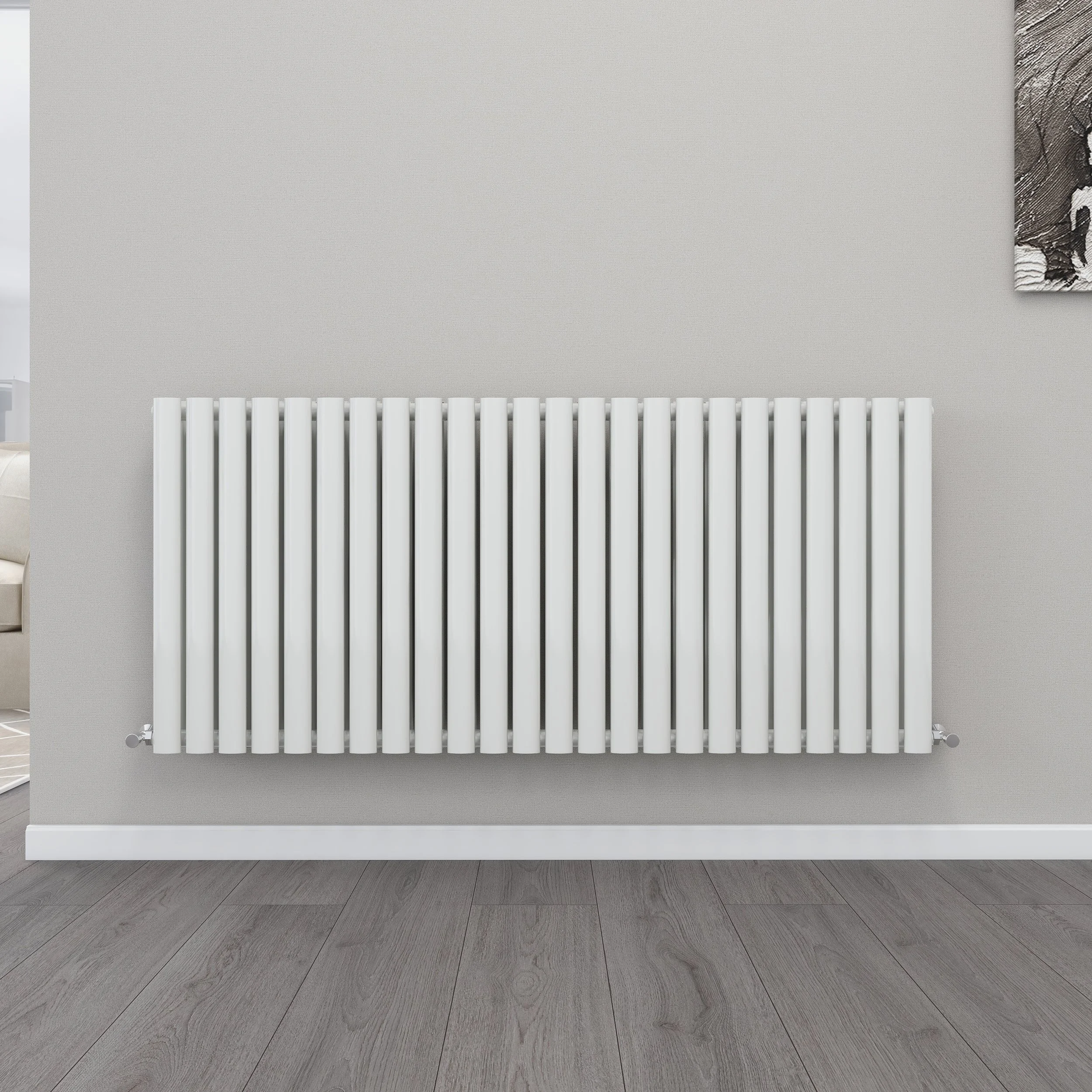


A Horizontal Oval Radiator Double Panel combines sleek, modern design with efficient heating performance. Its elongated oval shape offers a contemporary aesthetic that suits a variety of interior styles, while the double panel construction enhances heat output and distribution. Ideal for larger rooms or spaces requiring rapid warming, this radiator provides a balanced blend of form and function. Typically made from high-quality steel, it ensures durability and long-lasting reliability. Easy to install and maintain, the horizontal oval double panel radiator is a practical choice for homes seeking understated elegance with superior heating efficiency.


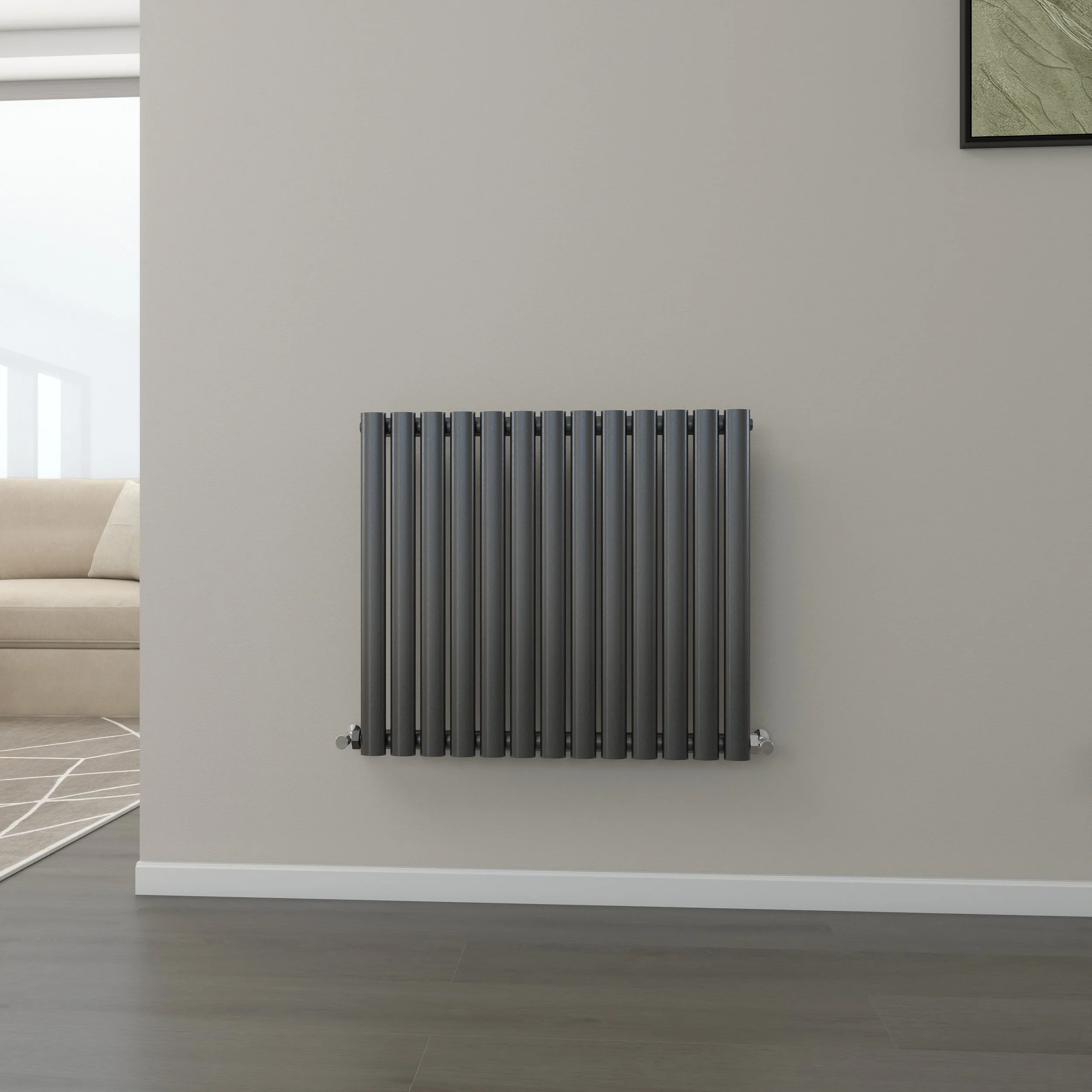
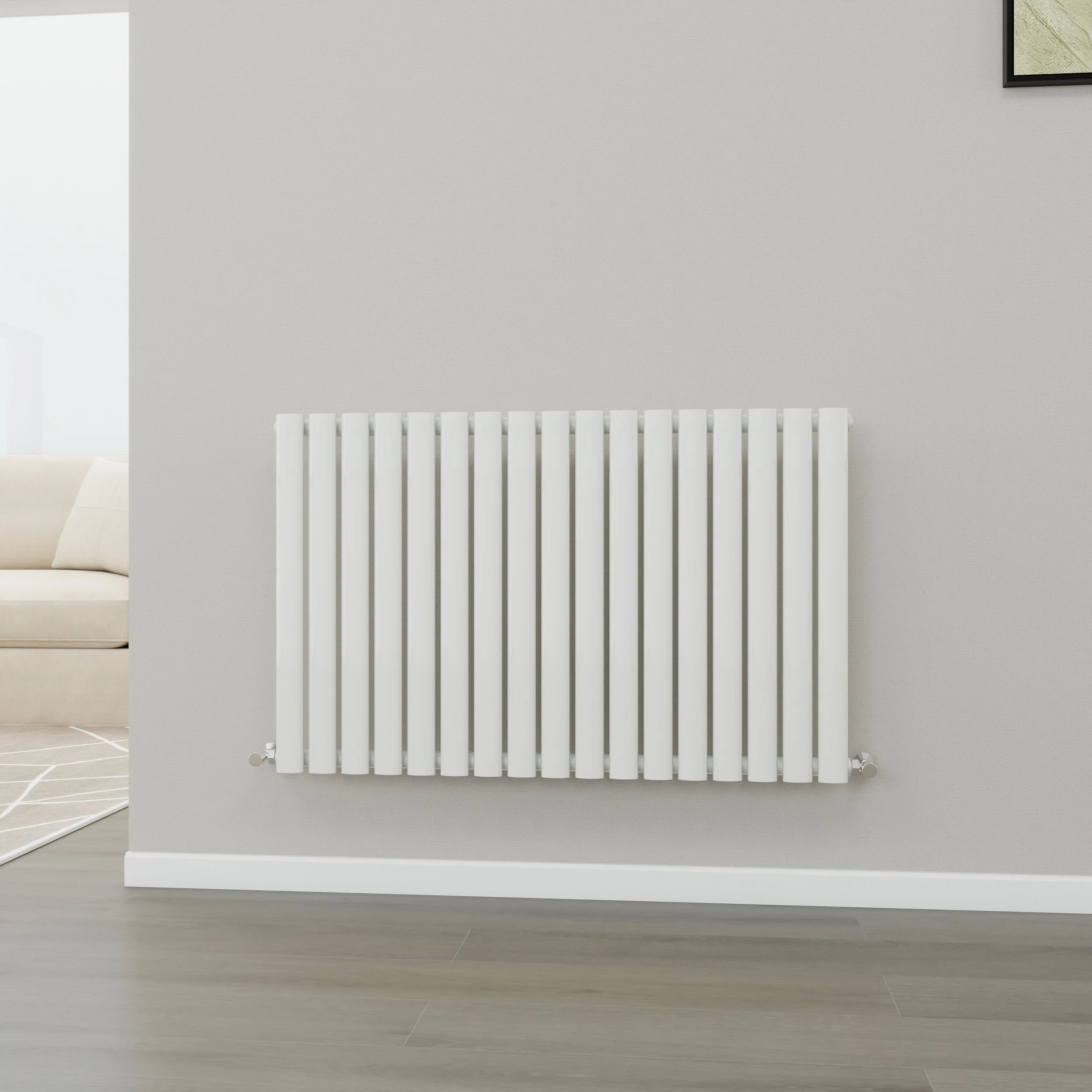


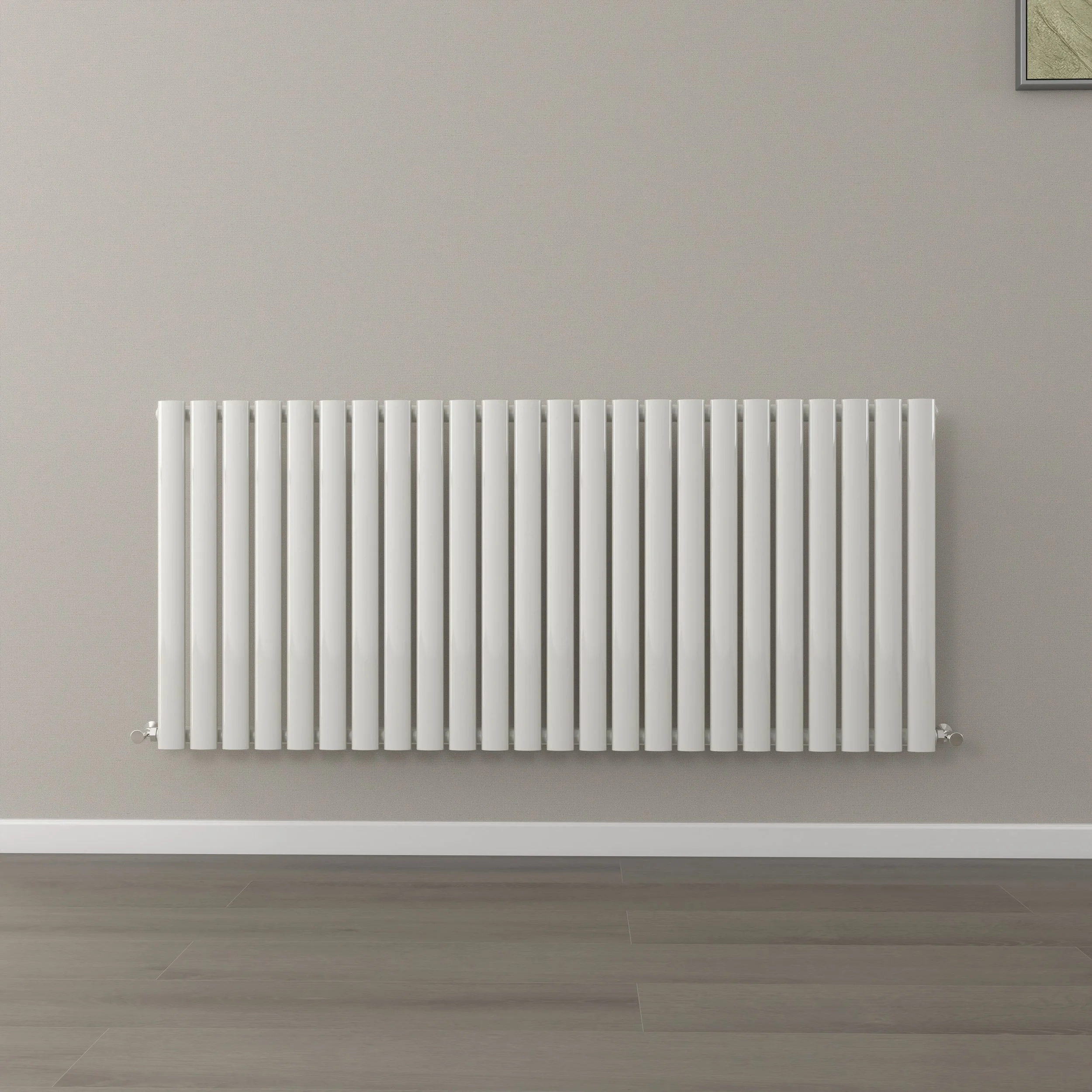
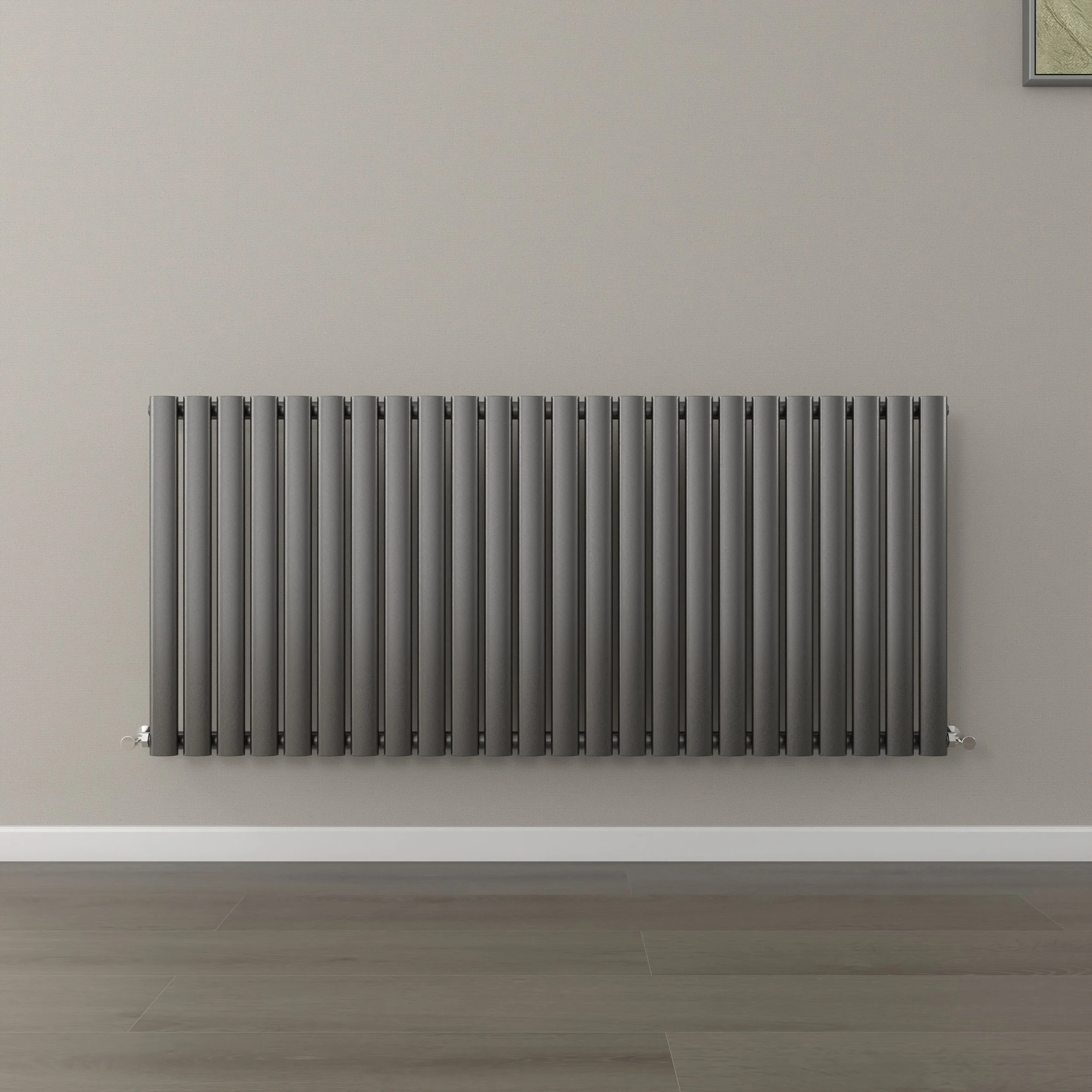

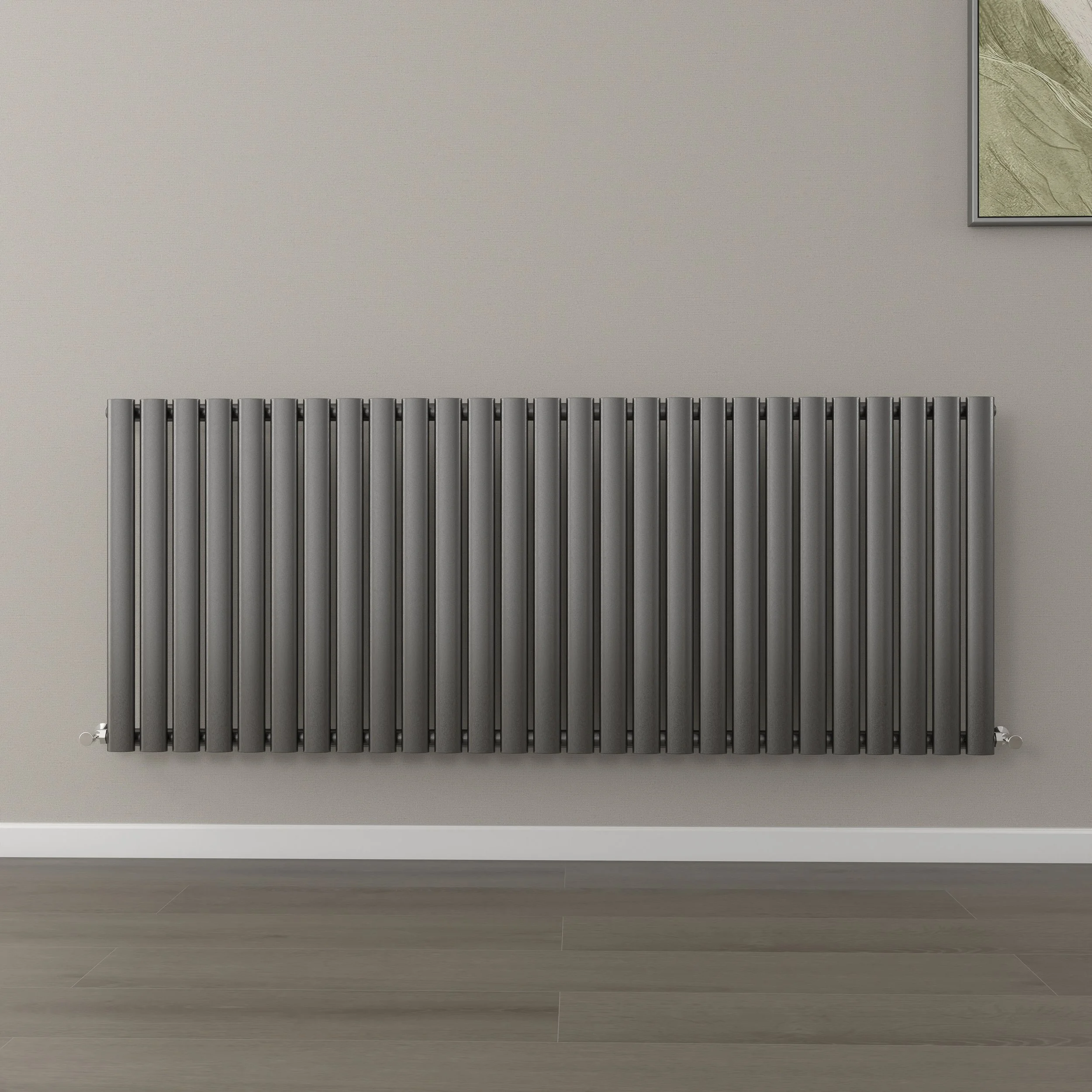
A horizontal oval radiator offers a sleek and modern solution for heating, combining functionality with contemporary design. Its elongated oval shape spreads heat evenly across a wider area, making it ideal for larger rooms or spaces requiring consistent warmth. These radiators provide efficient heat conduction while adding a subtle aesthetic appeal to any interior. The horizontal orientation allows for installation beneath windows or along longer wall sections, maximising space utilisation without overwhelming the room’s decor. Ideal for both residential and commercial settings, horizontal oval radiators blend style and performance seamlessly.
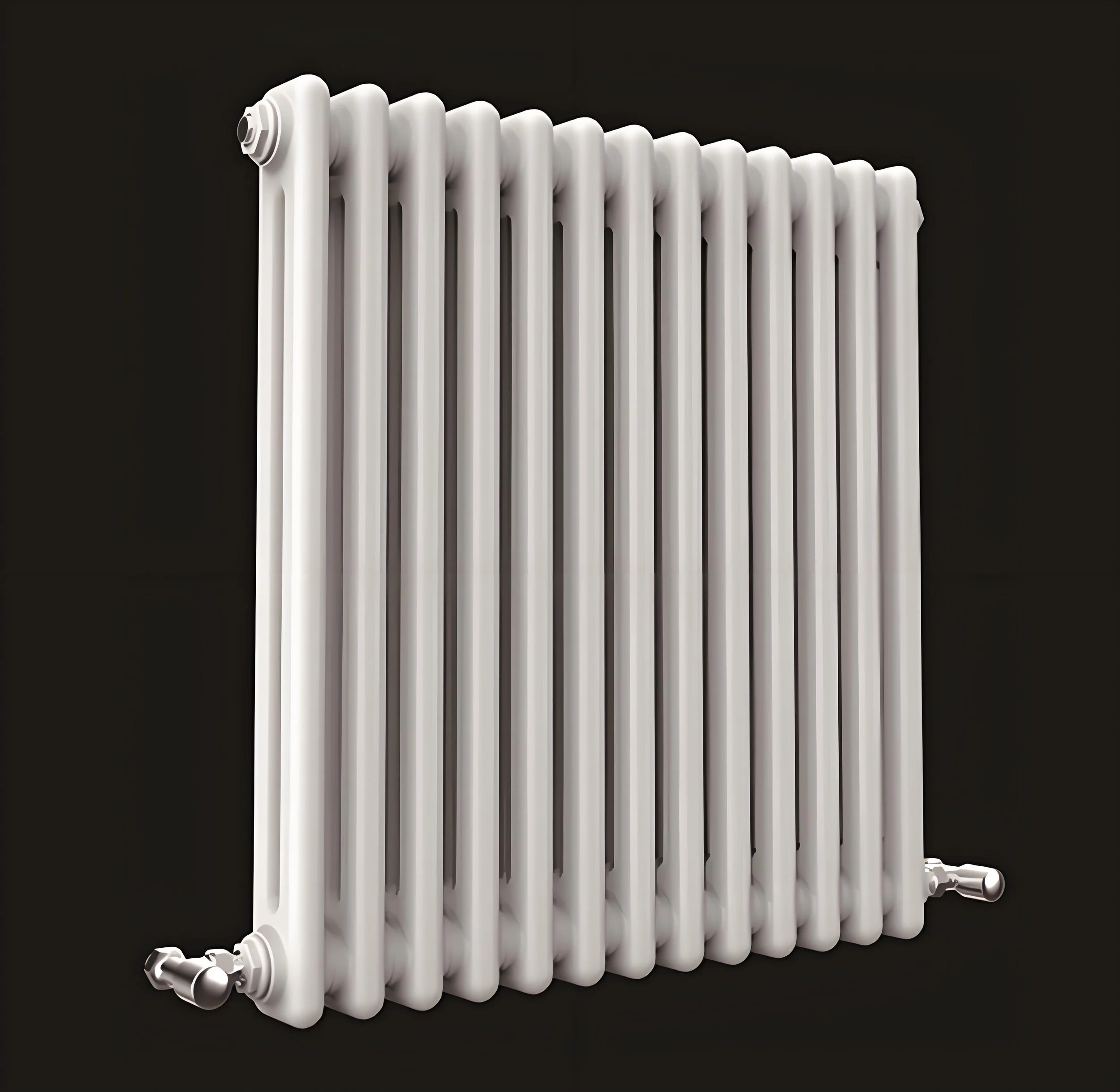
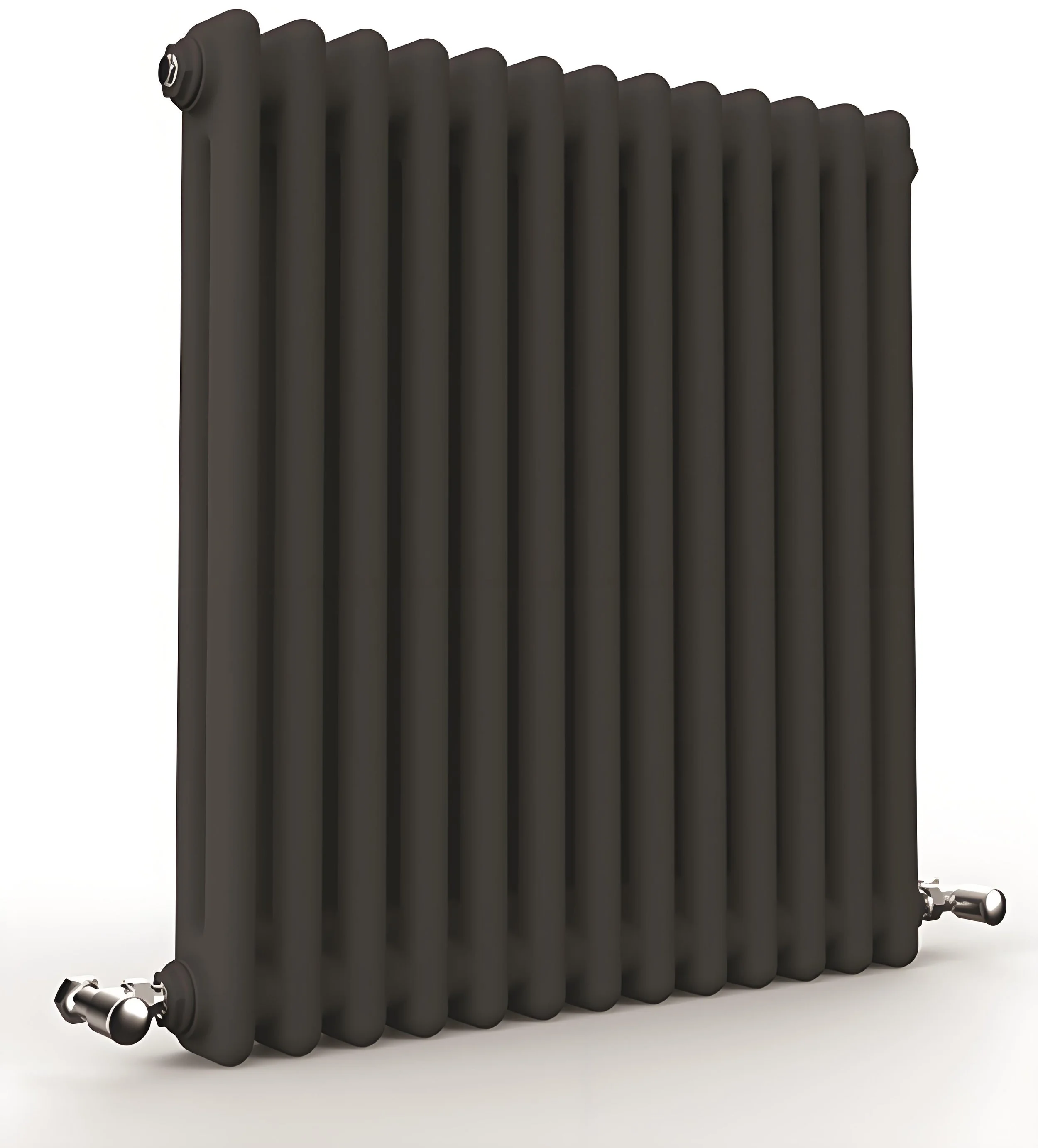
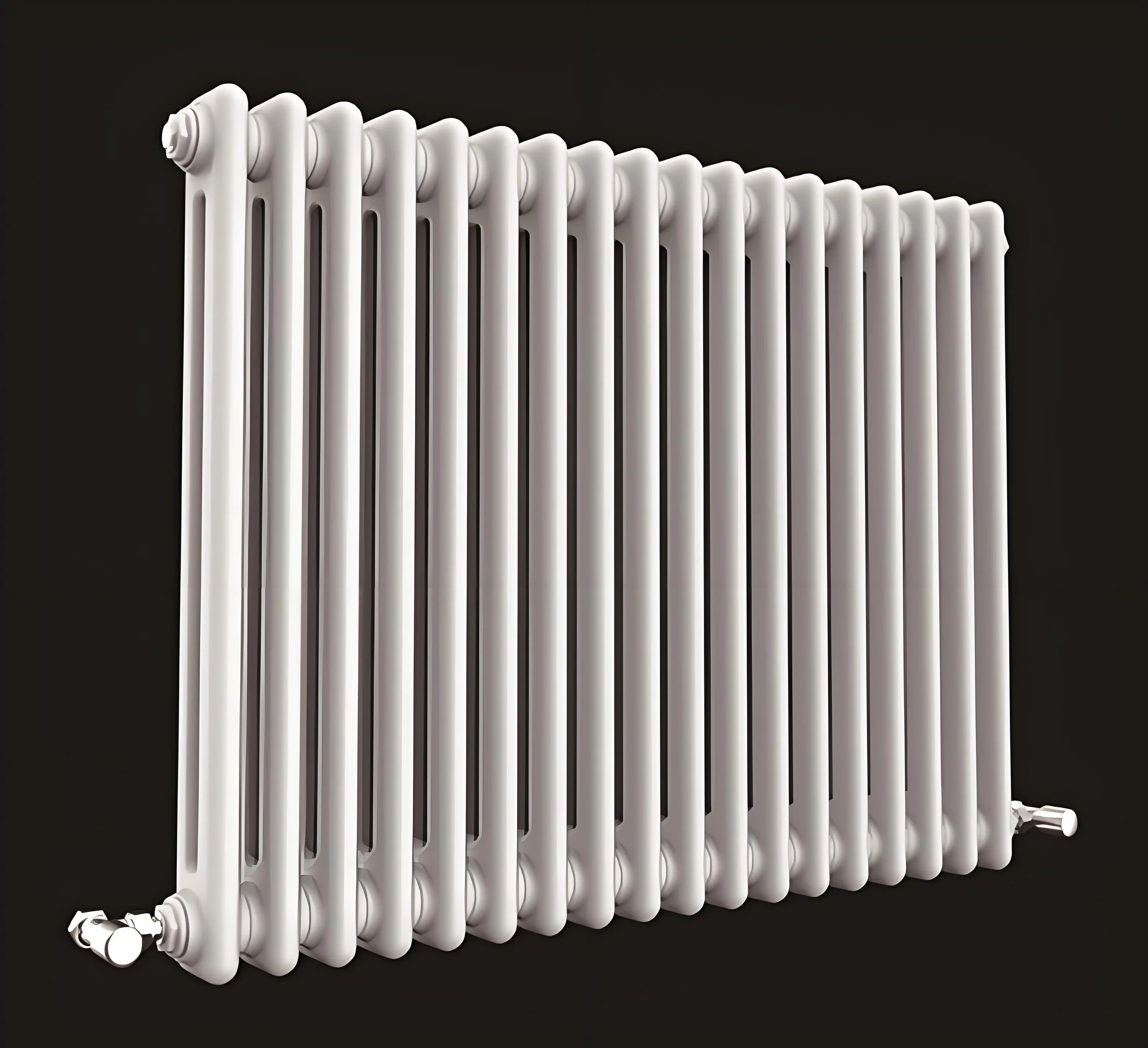
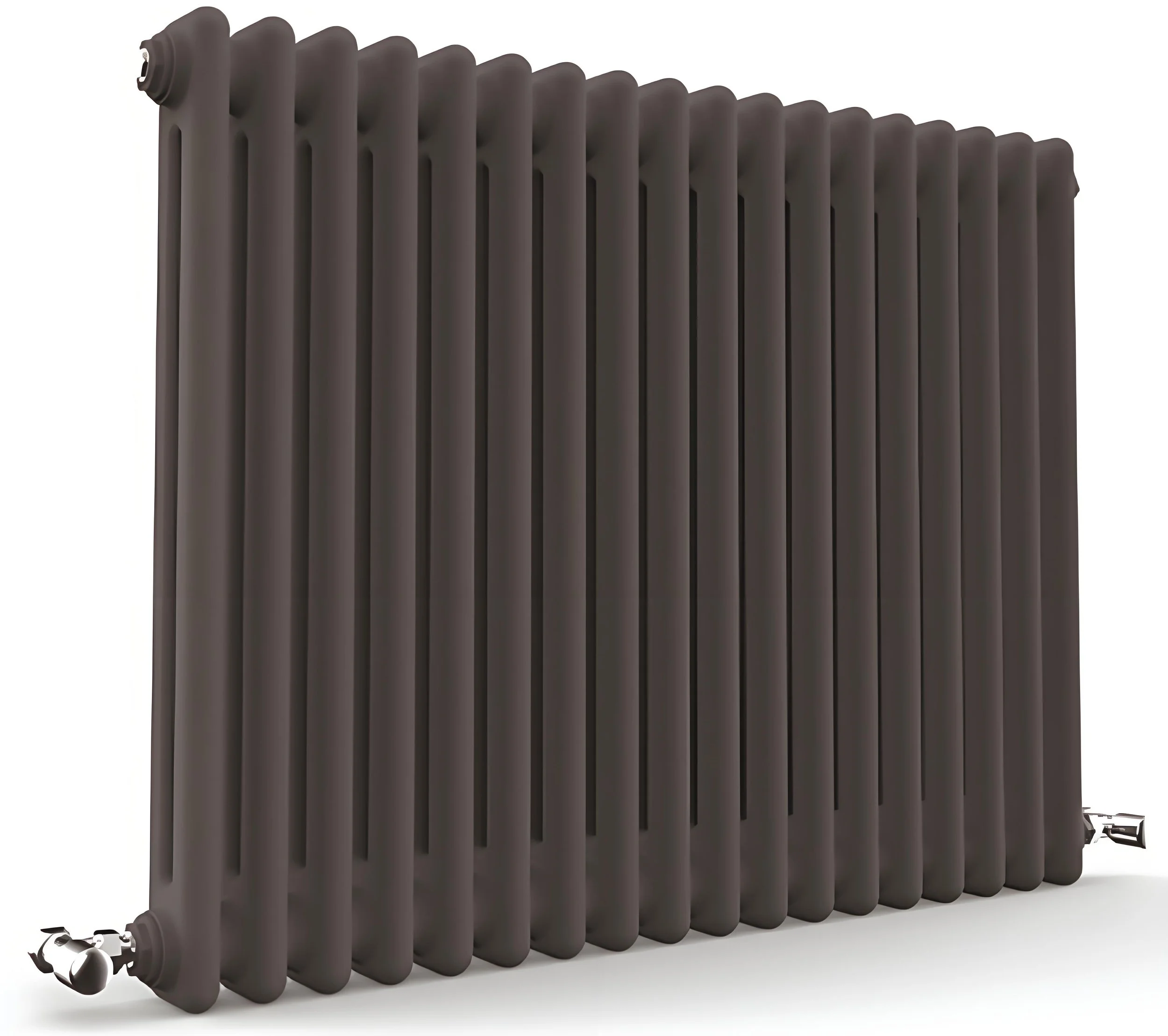
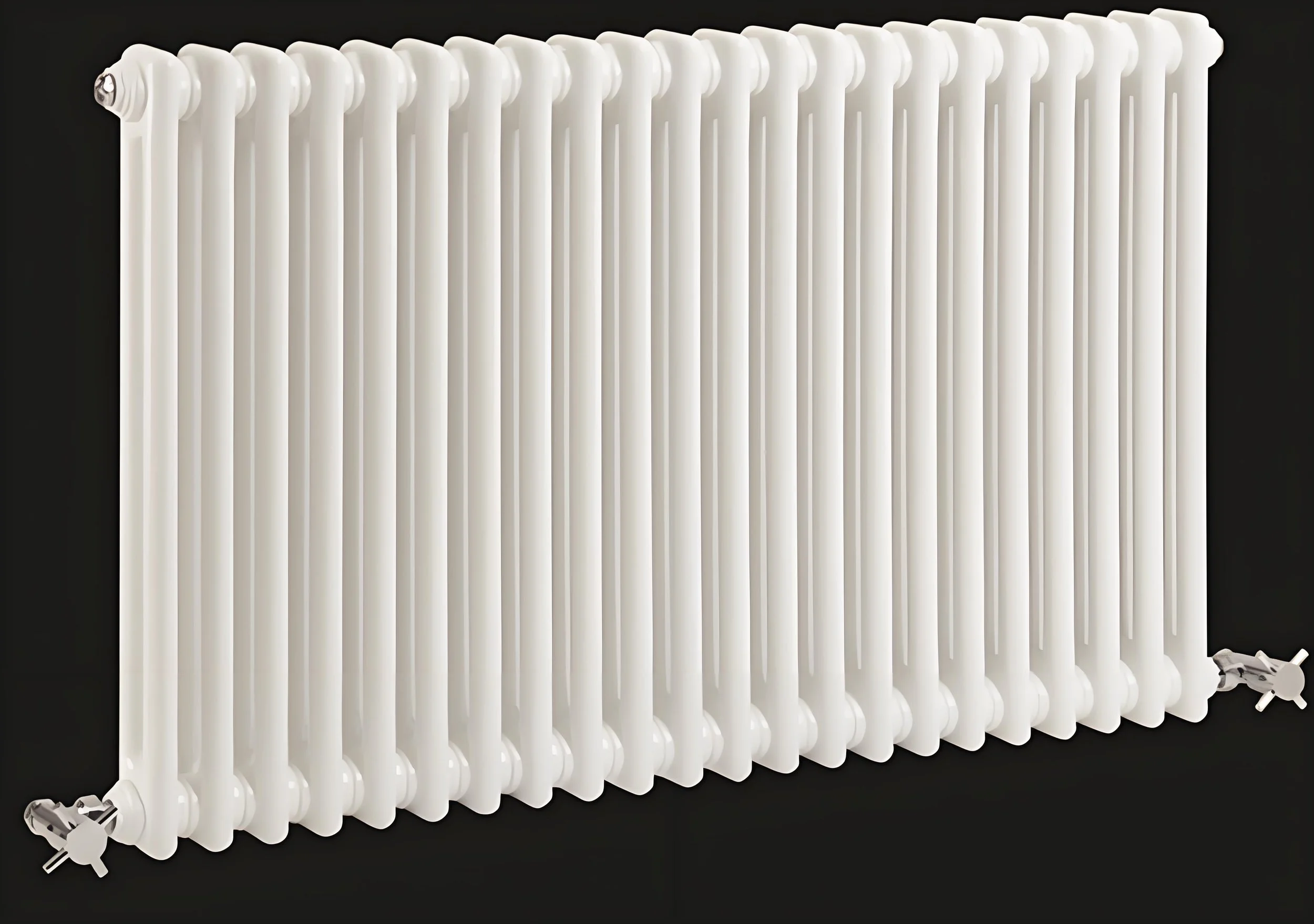
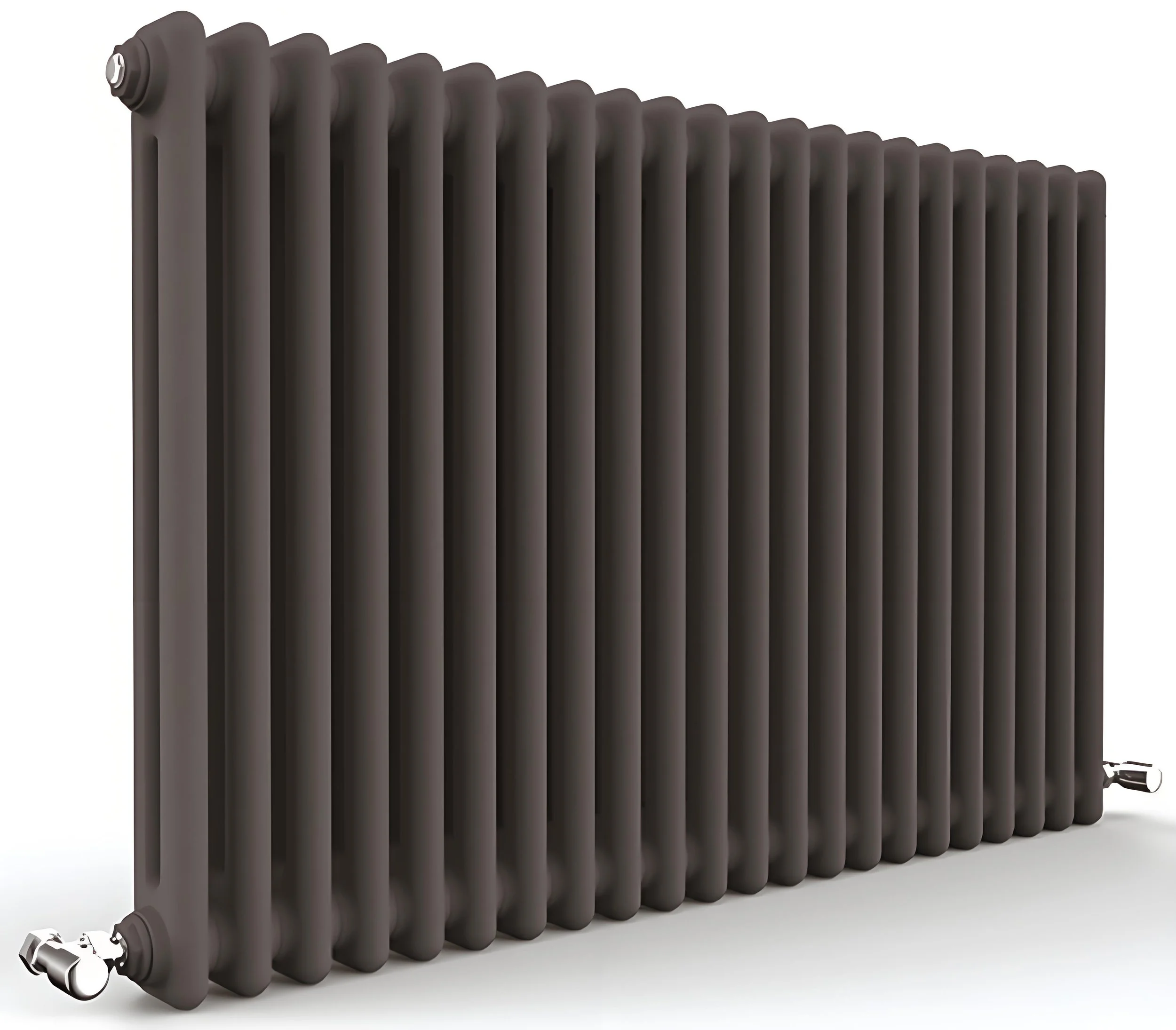
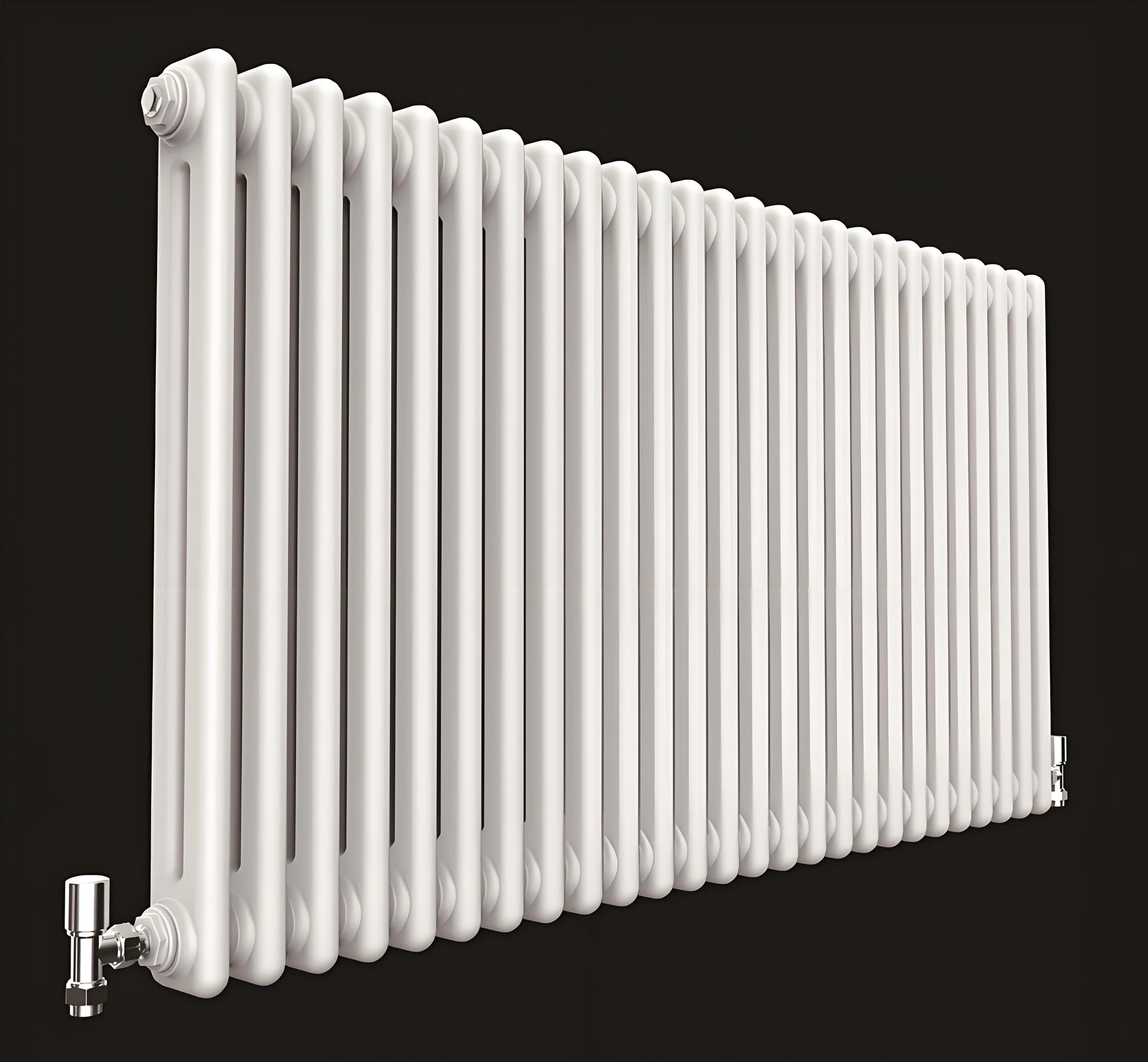
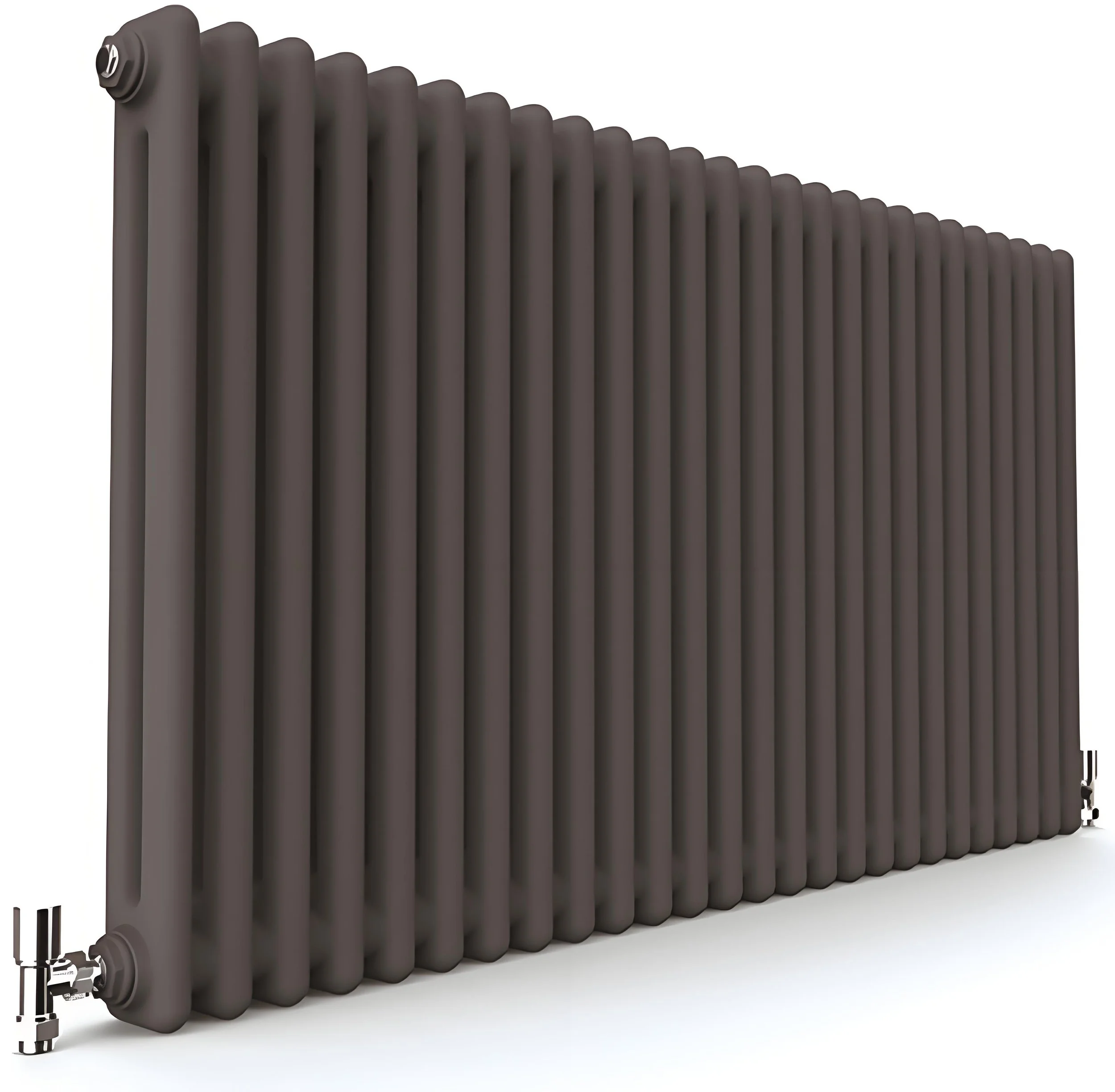
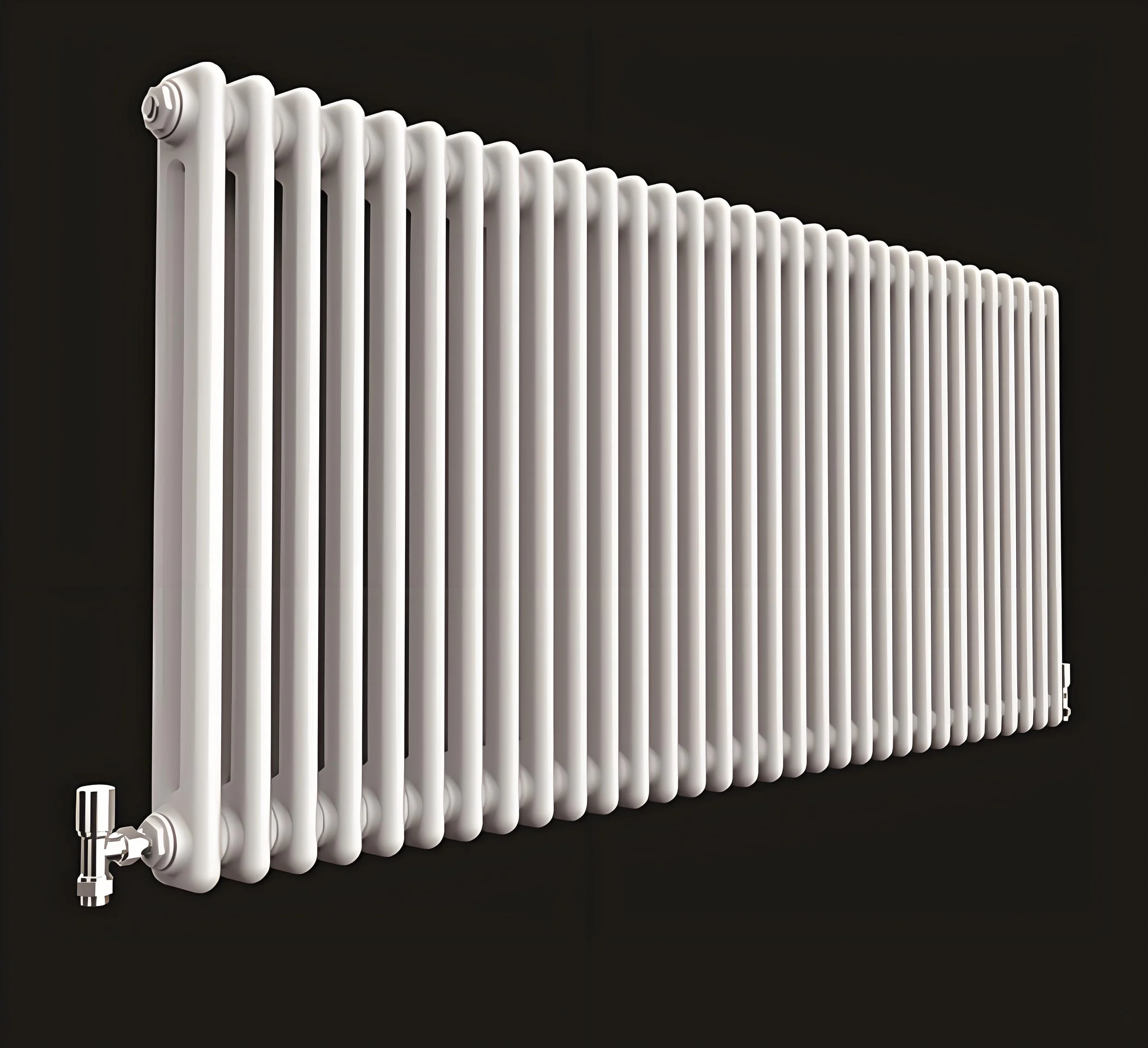

A cast iron radiator is a traditional heating appliance made from durable cast iron. Renowned for its excellent heat retention and even distribution, it remains a popular choice in residential and heritage properties. These radiators offer a classic, timeless aesthetic that complements both period and contemporary interiors. They heat up slowly but retain warmth for extended periods, making them energy-efficient for steady, long-lasting
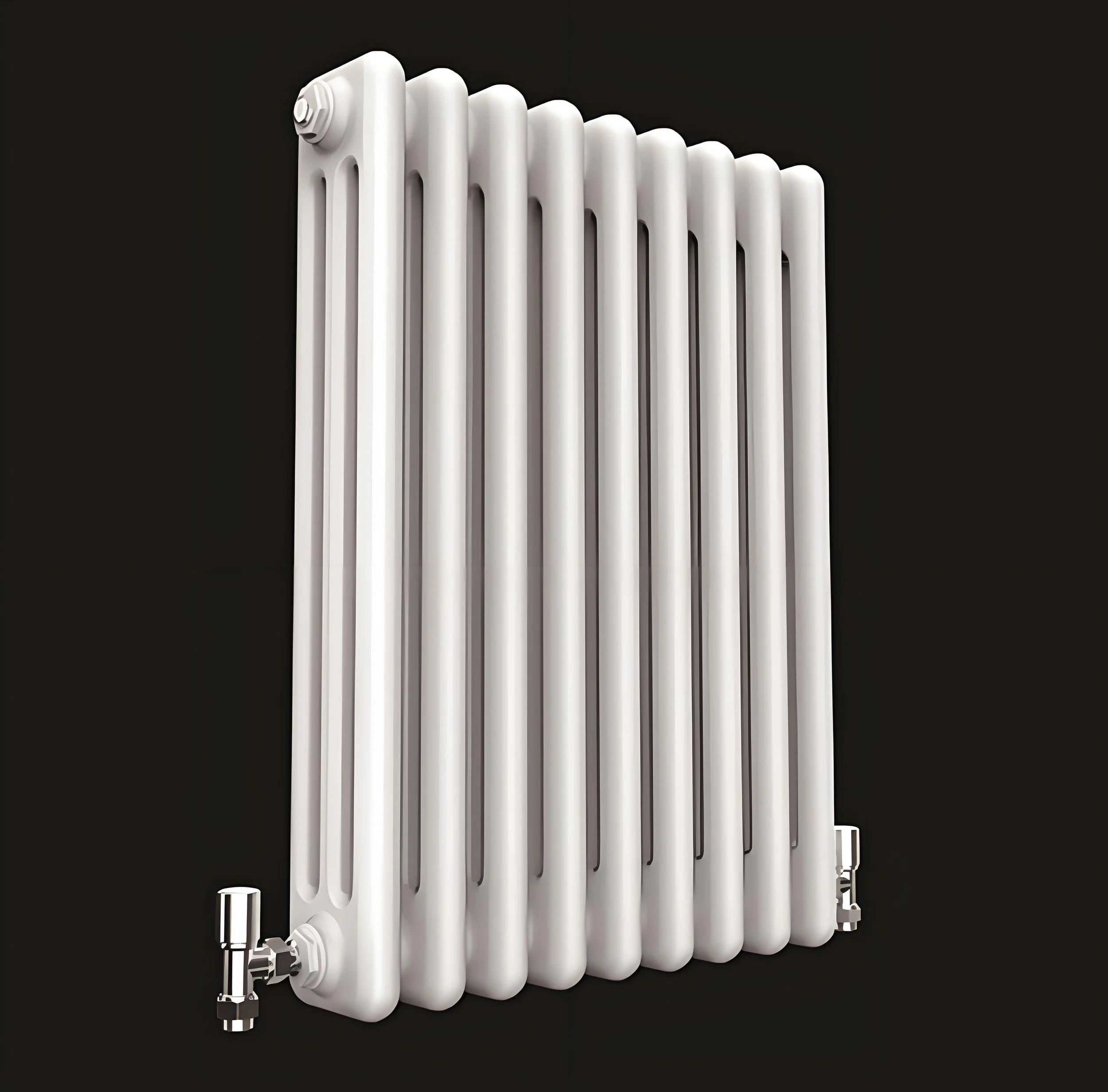

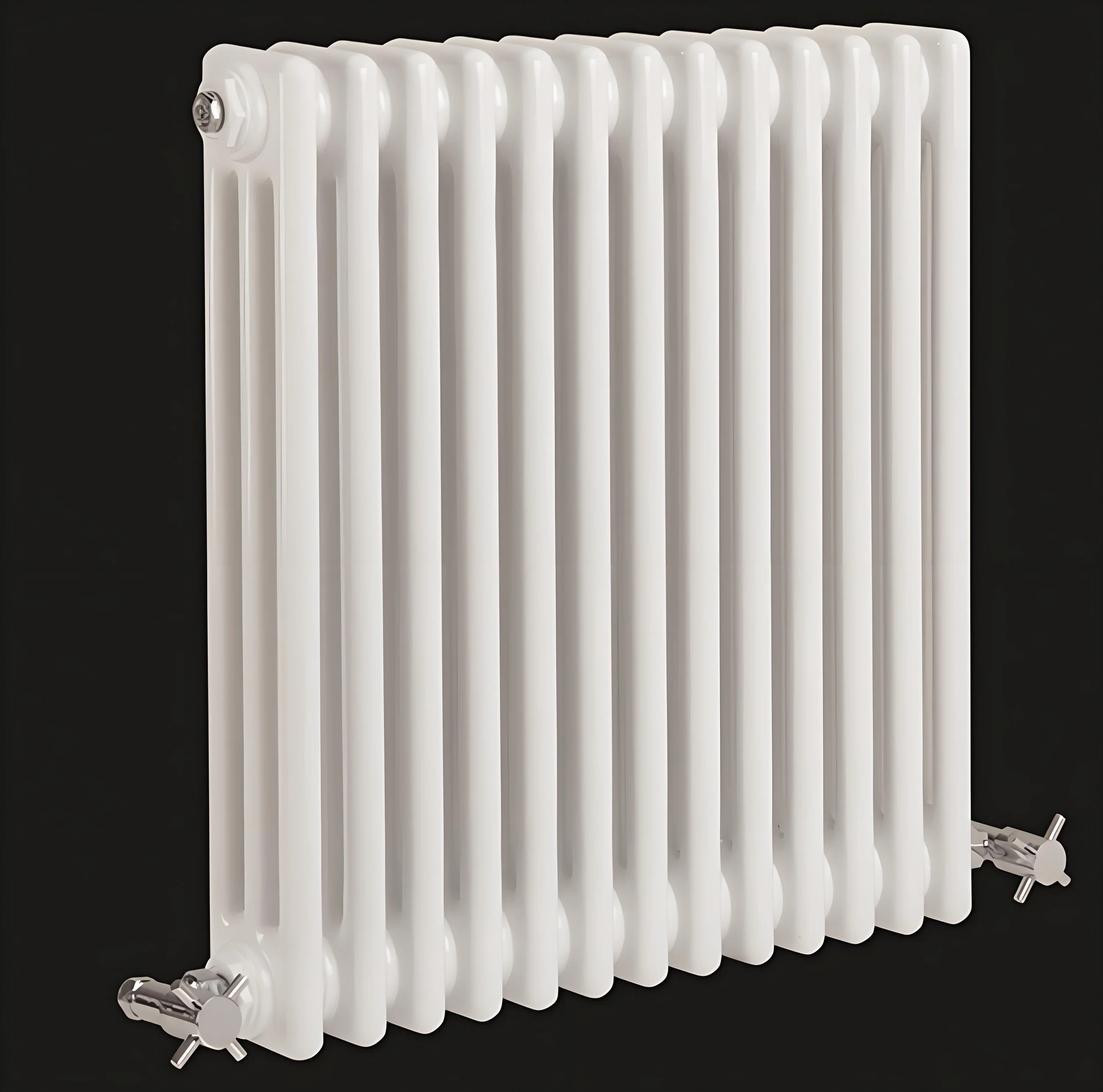
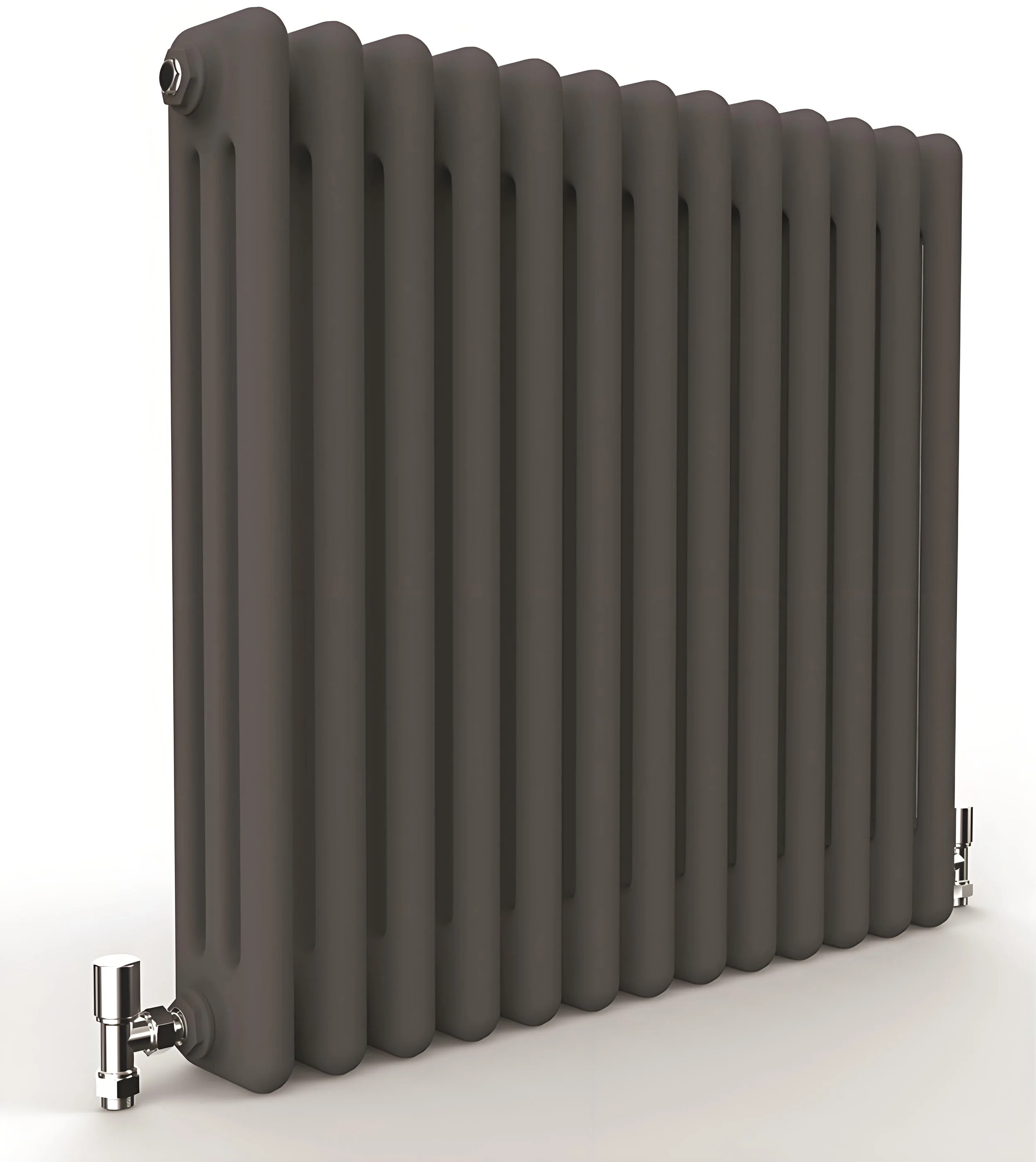
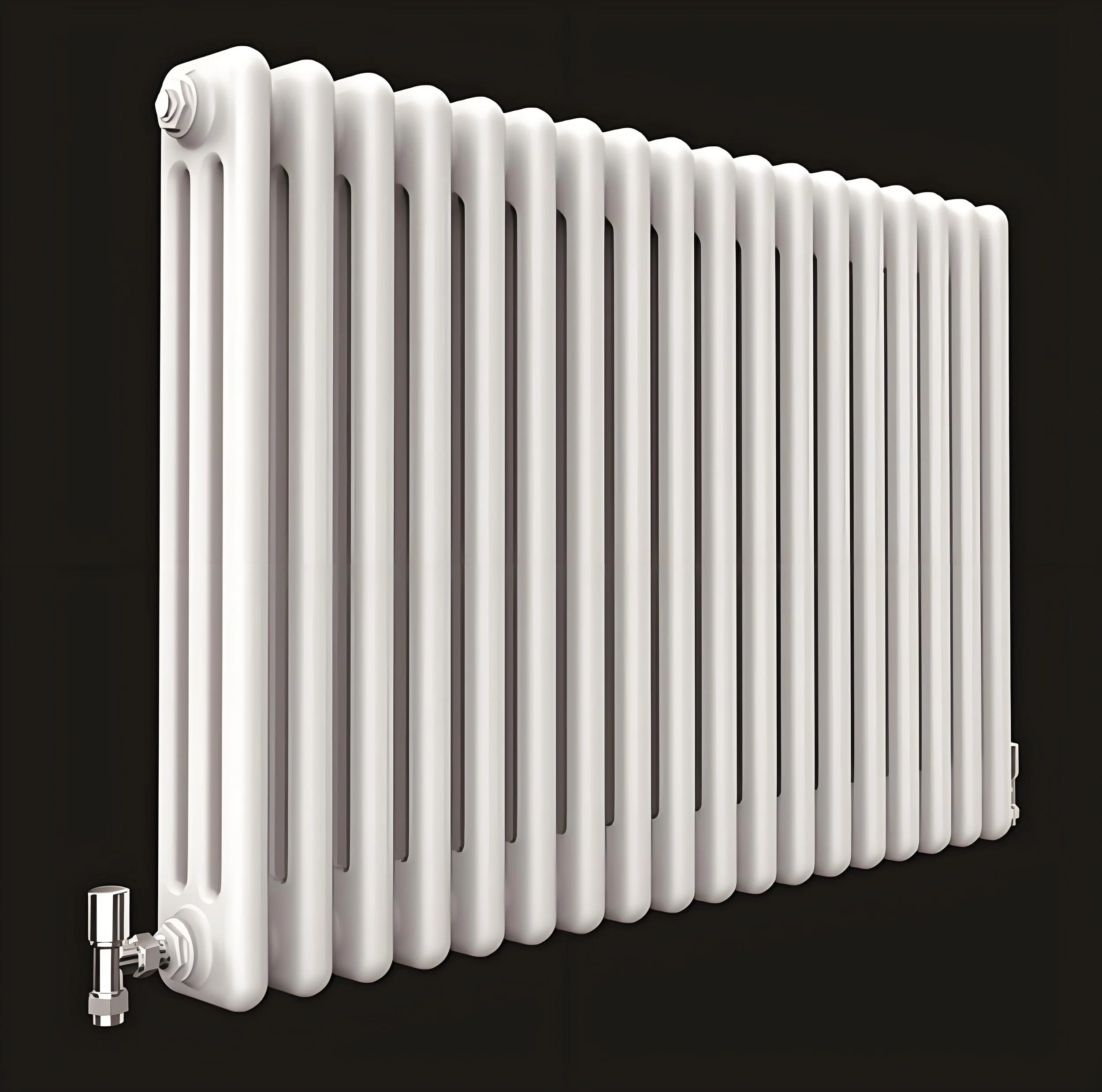
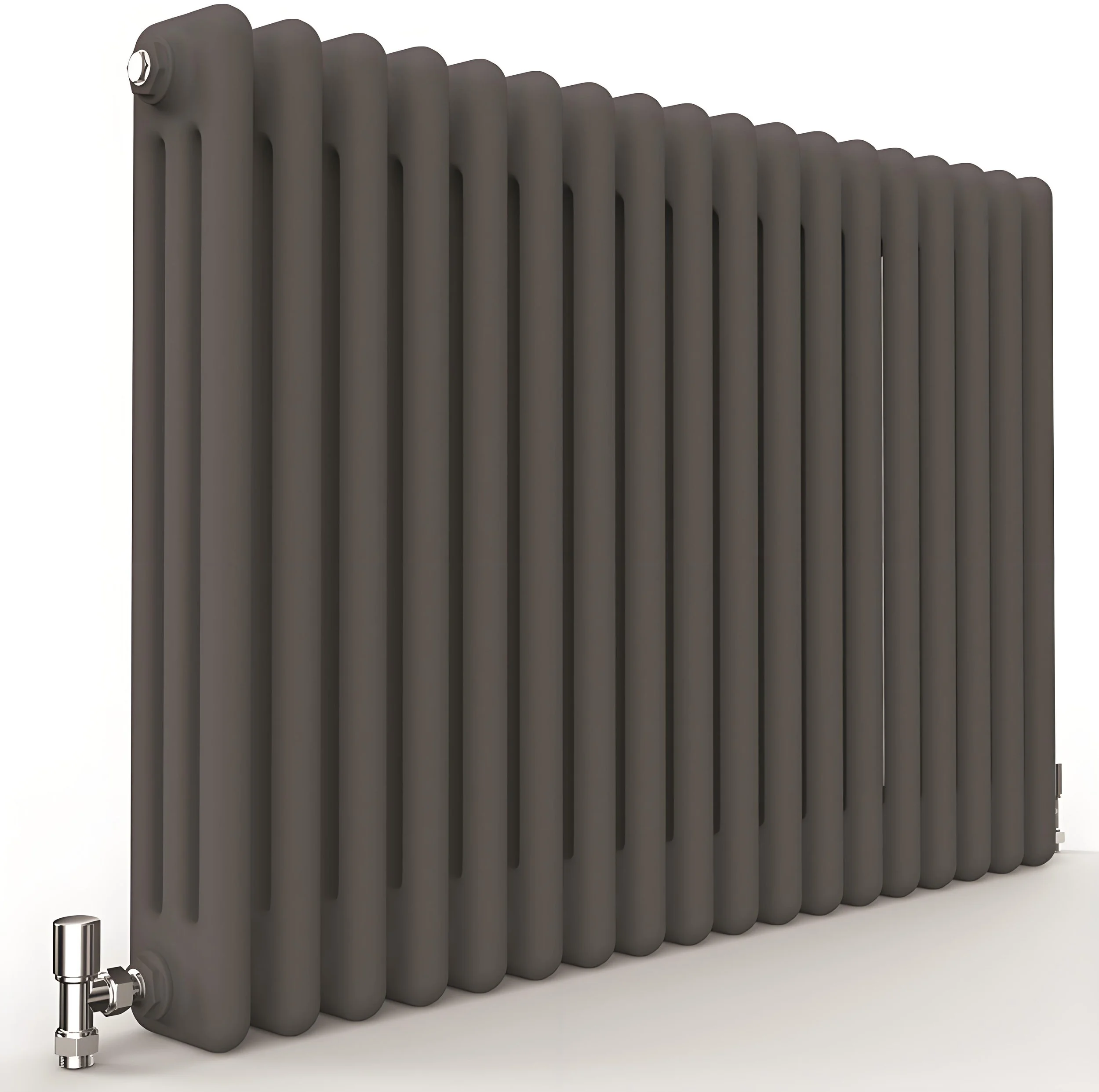
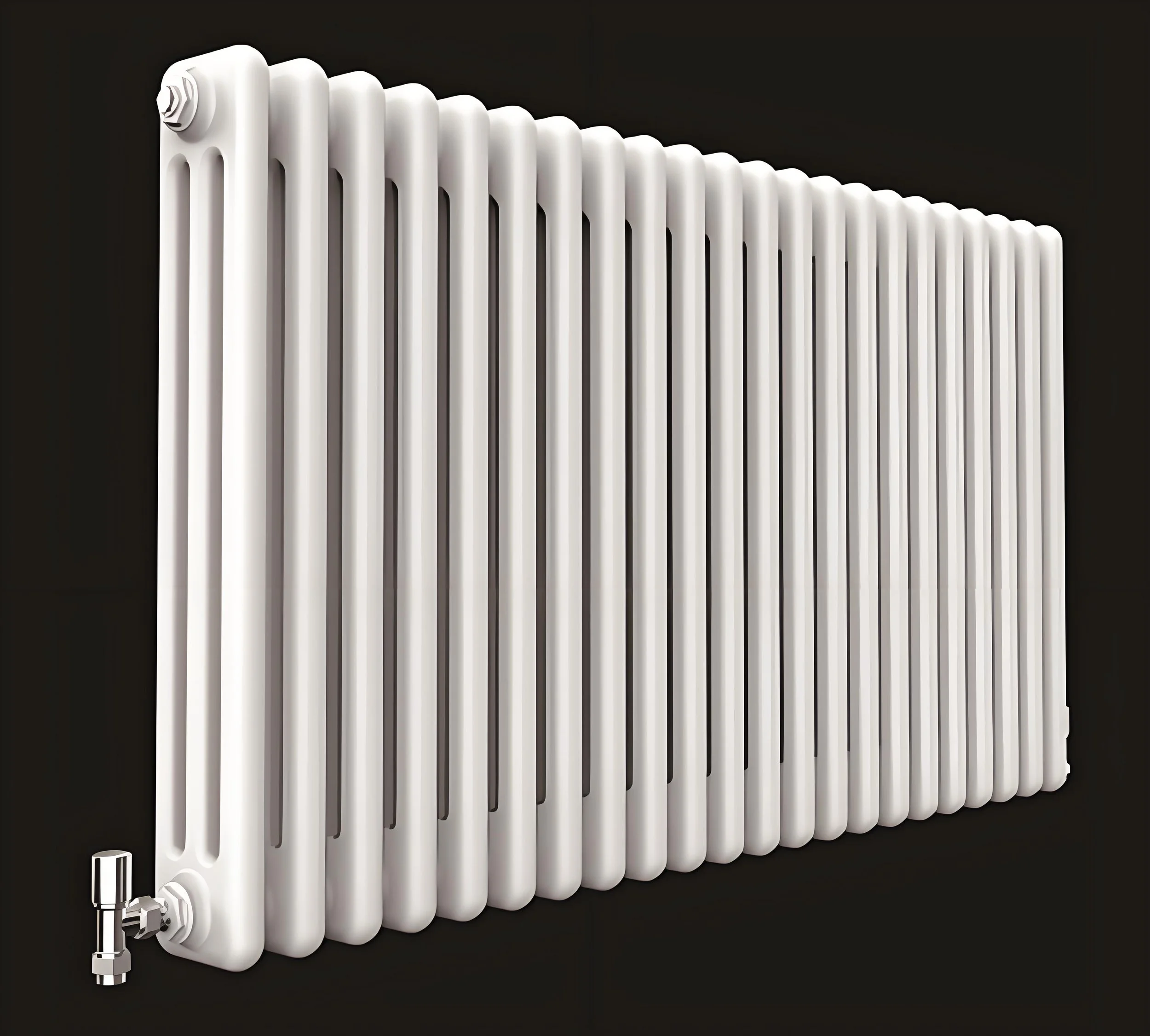
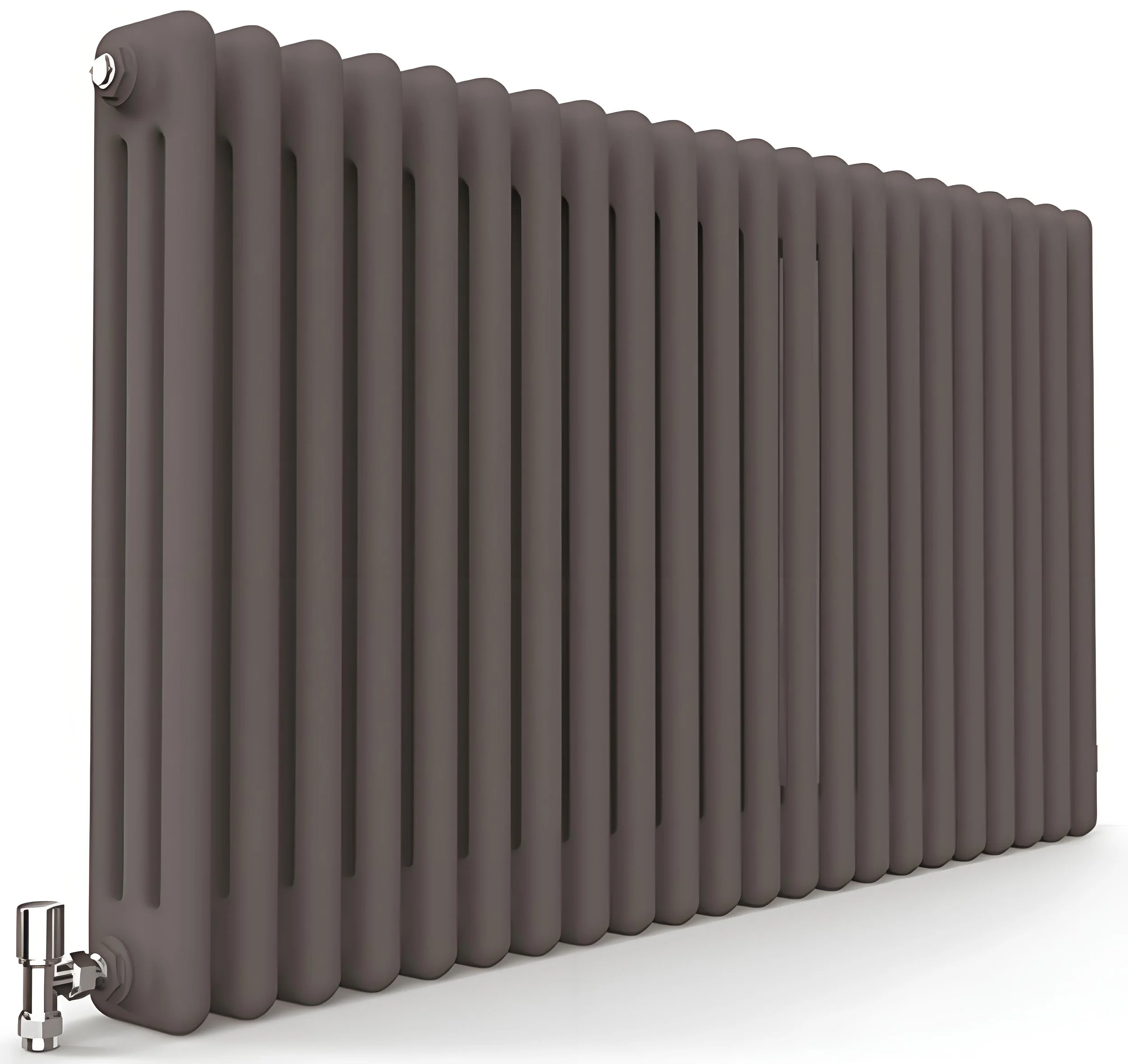
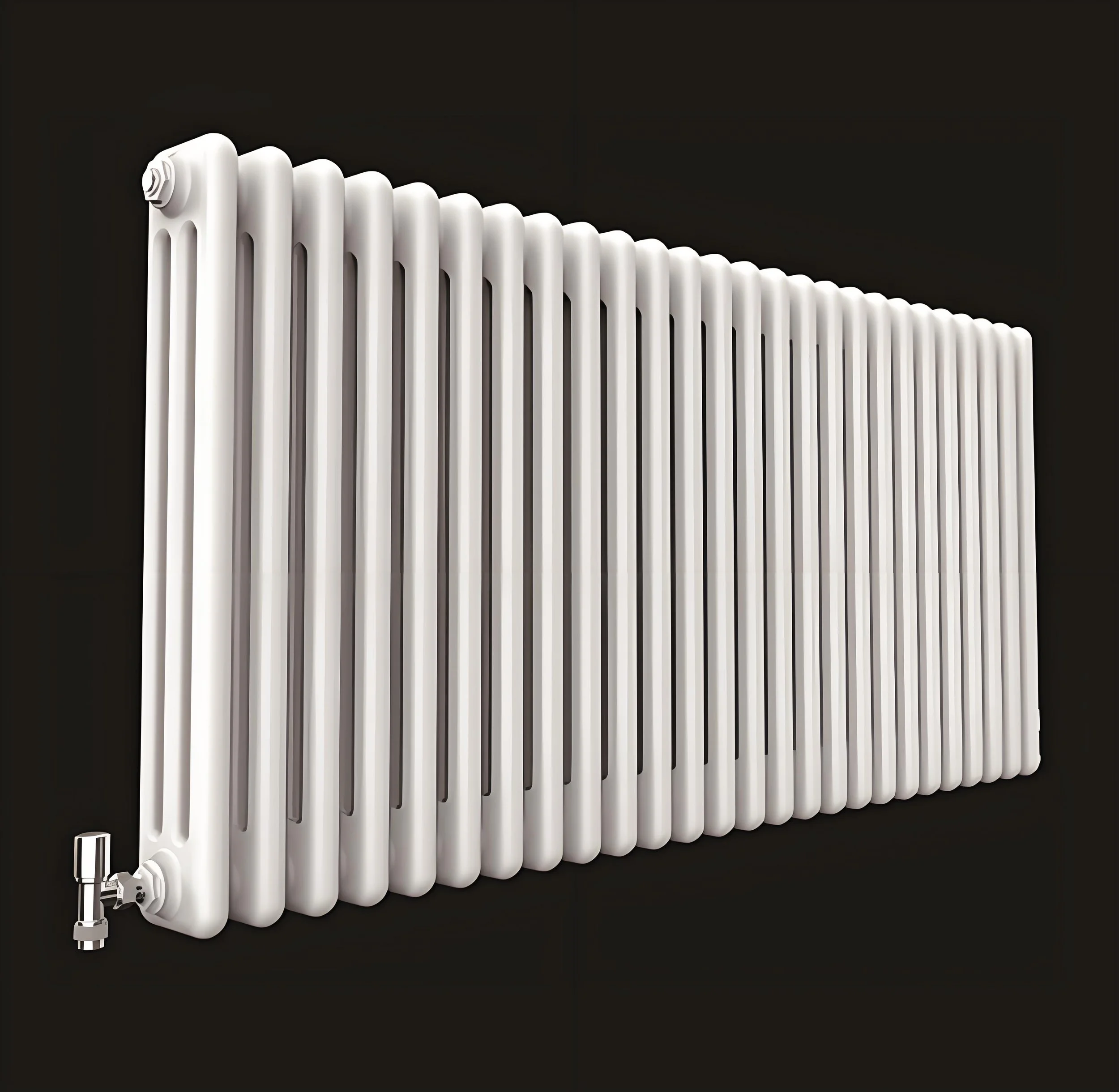
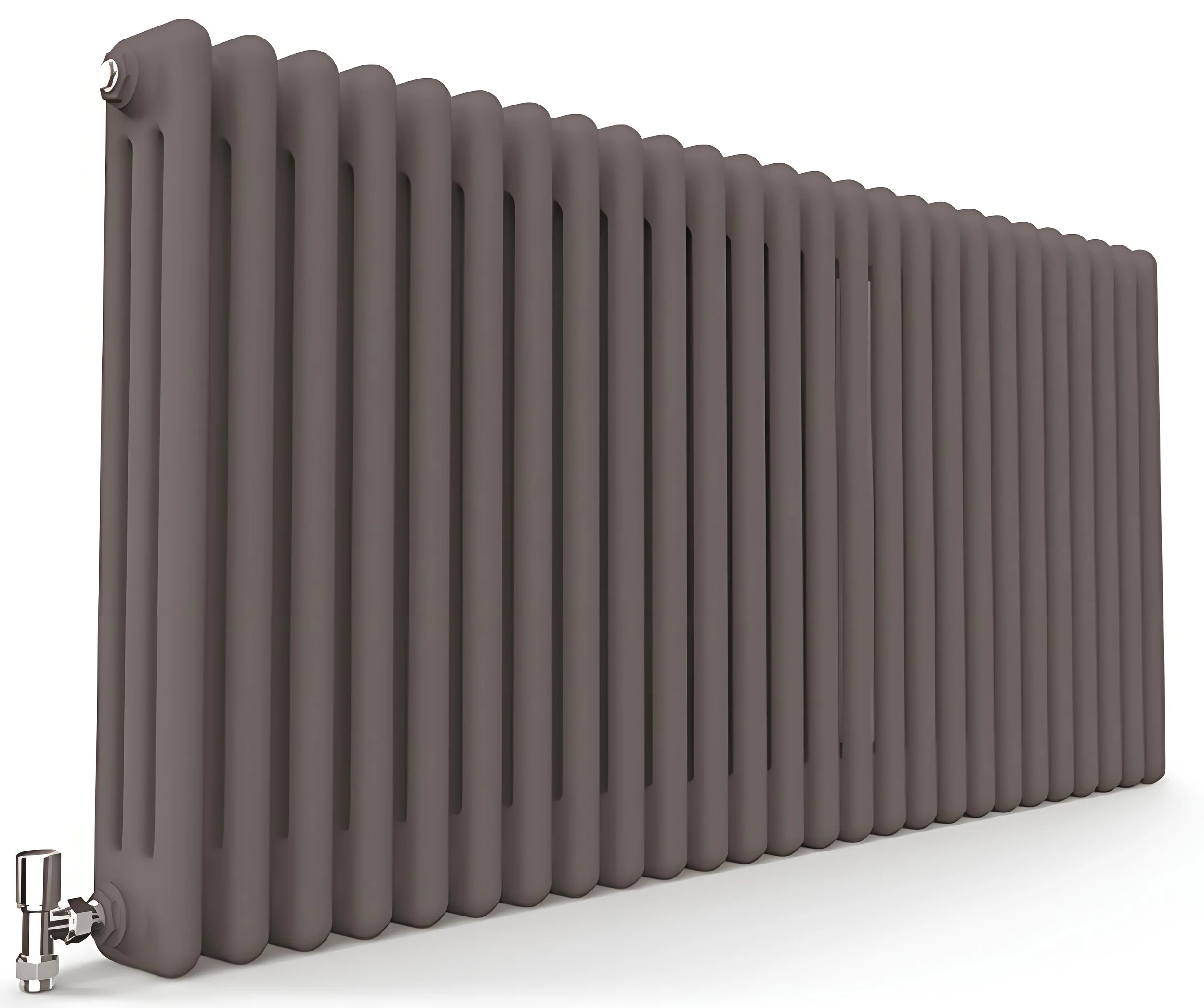
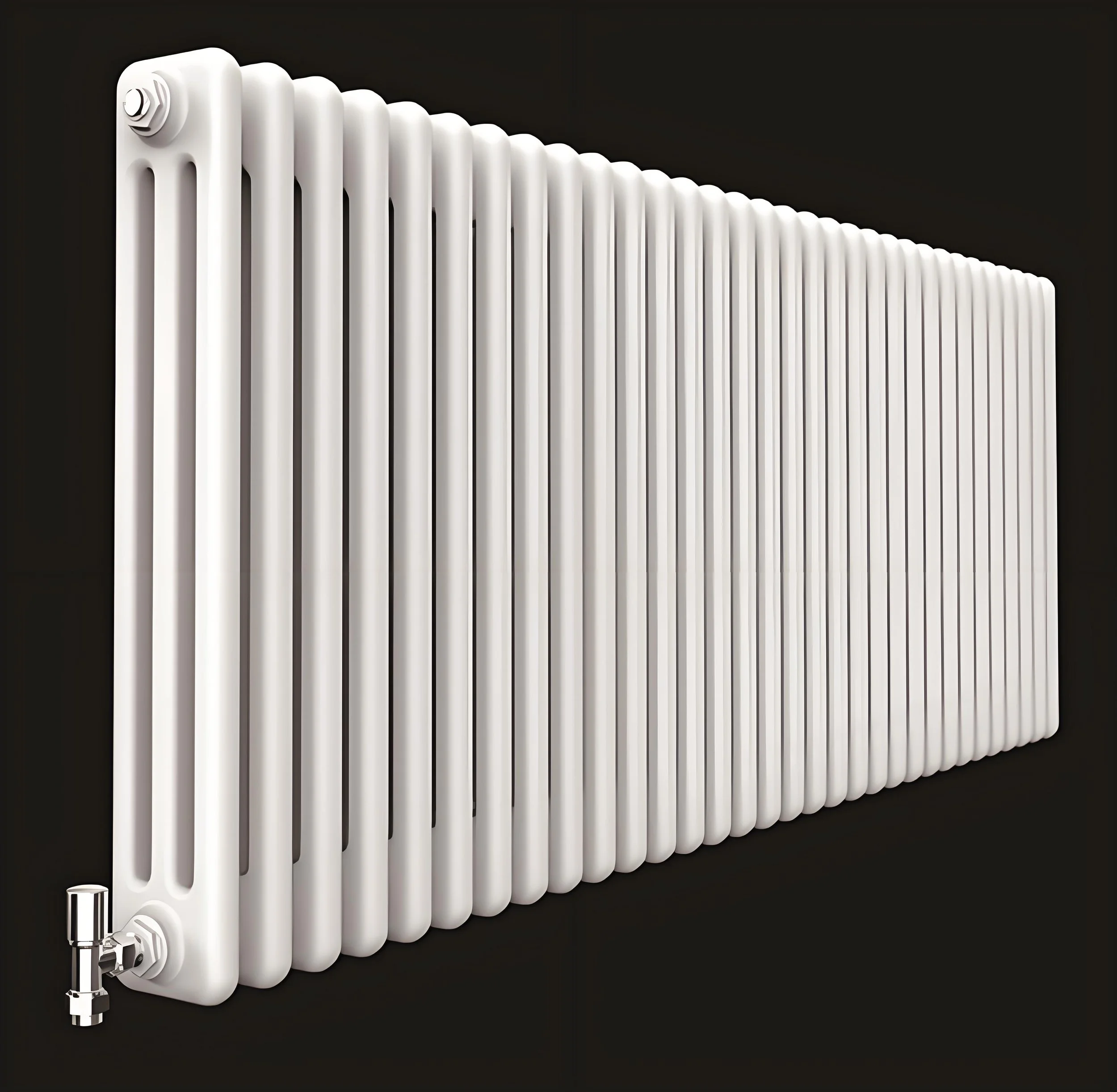
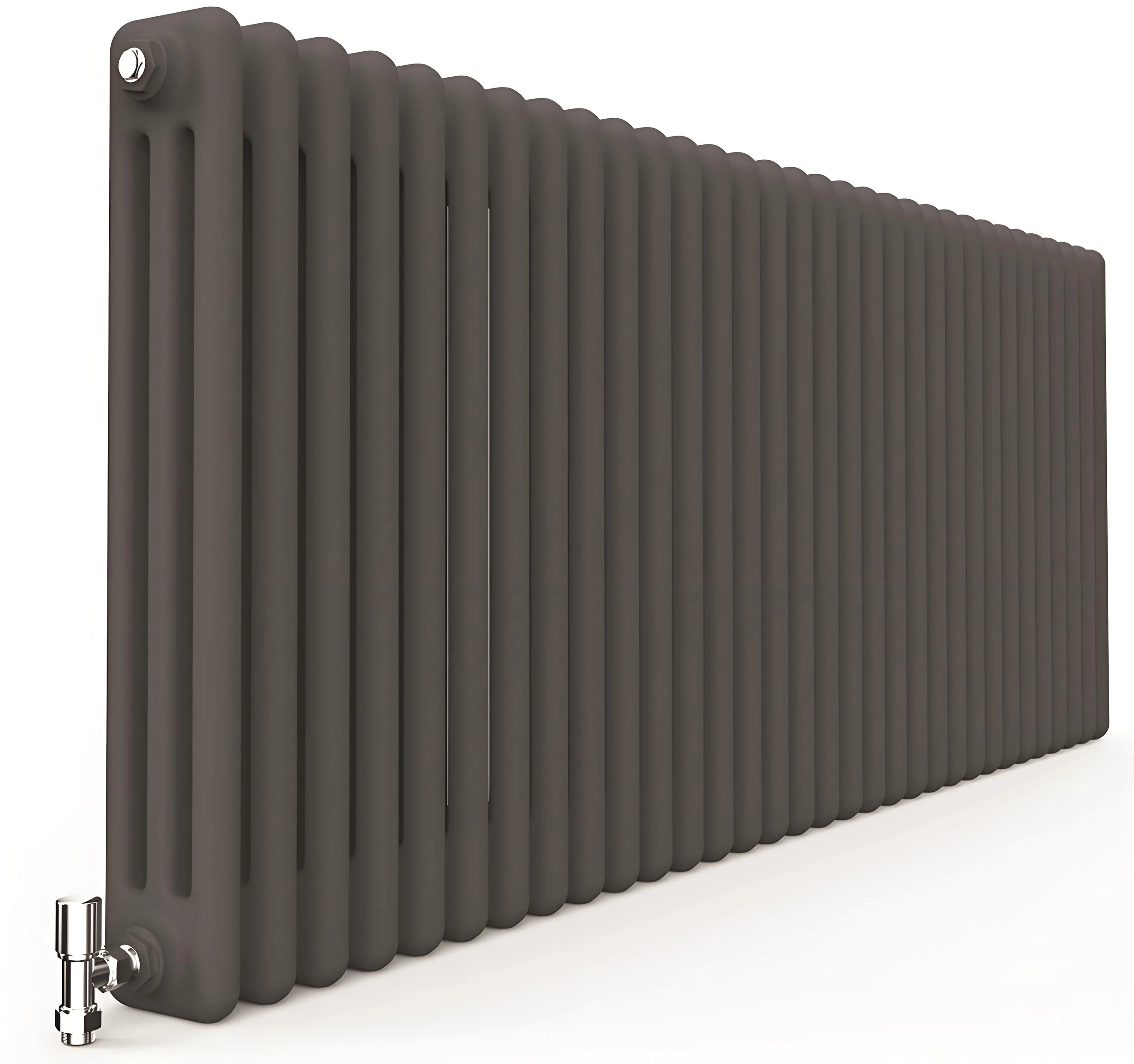
The Horizontal Cast Iron Radiator Triple Column offers efficient and classic heating, combining robust construction with timeless design. Ideal for period properties or modern interiors seeking a traditional touch, this radiator features three columns arranged horizontally, providing excellent heat distribution. Crafted from high-quality cast iron, it ensures durability and long-lasting performance while maintaining an attractive aesthetic. Suitable for both central heating systems and modern boiler setups, it delivers reliable warmth with a subtle, understated presence in any room.
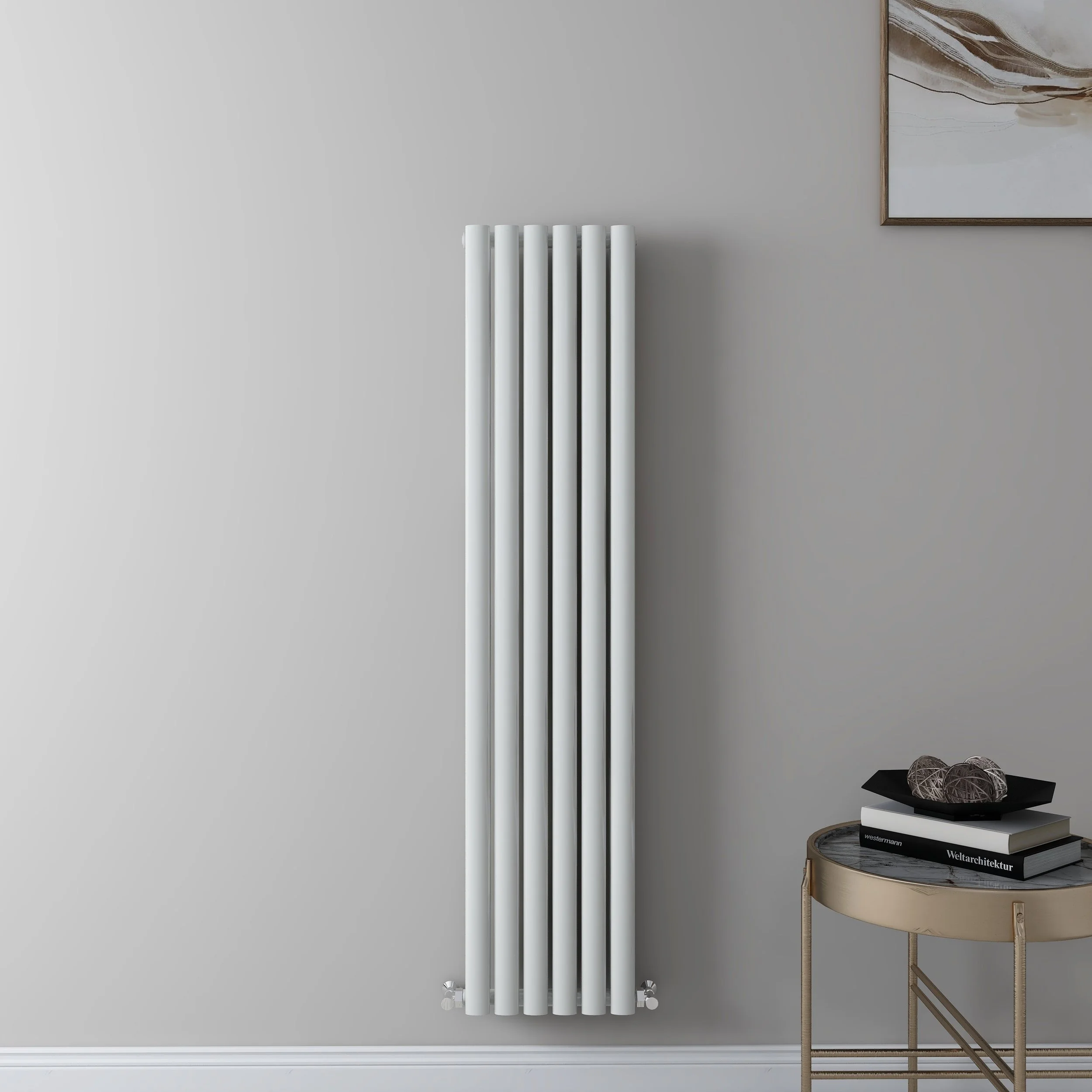

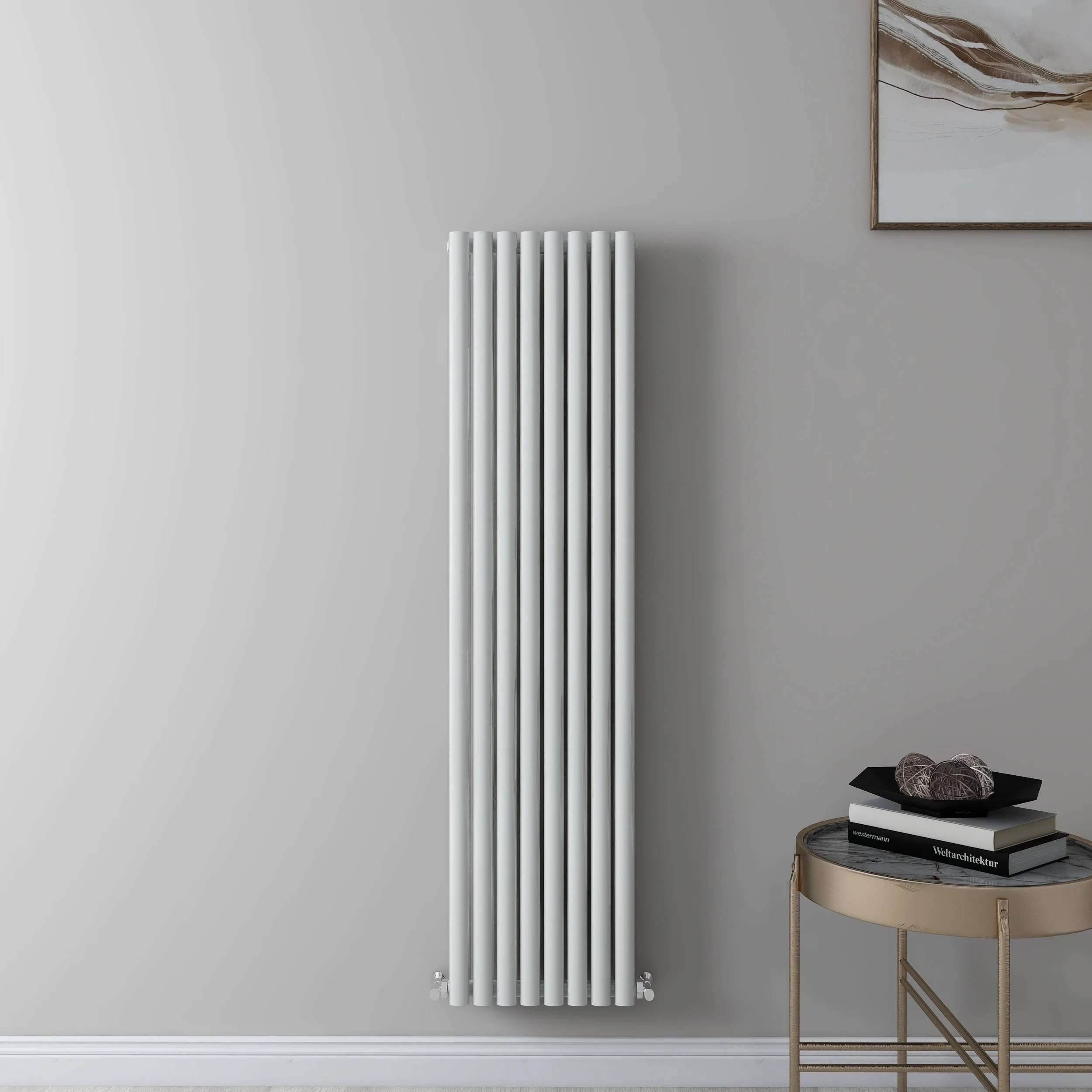
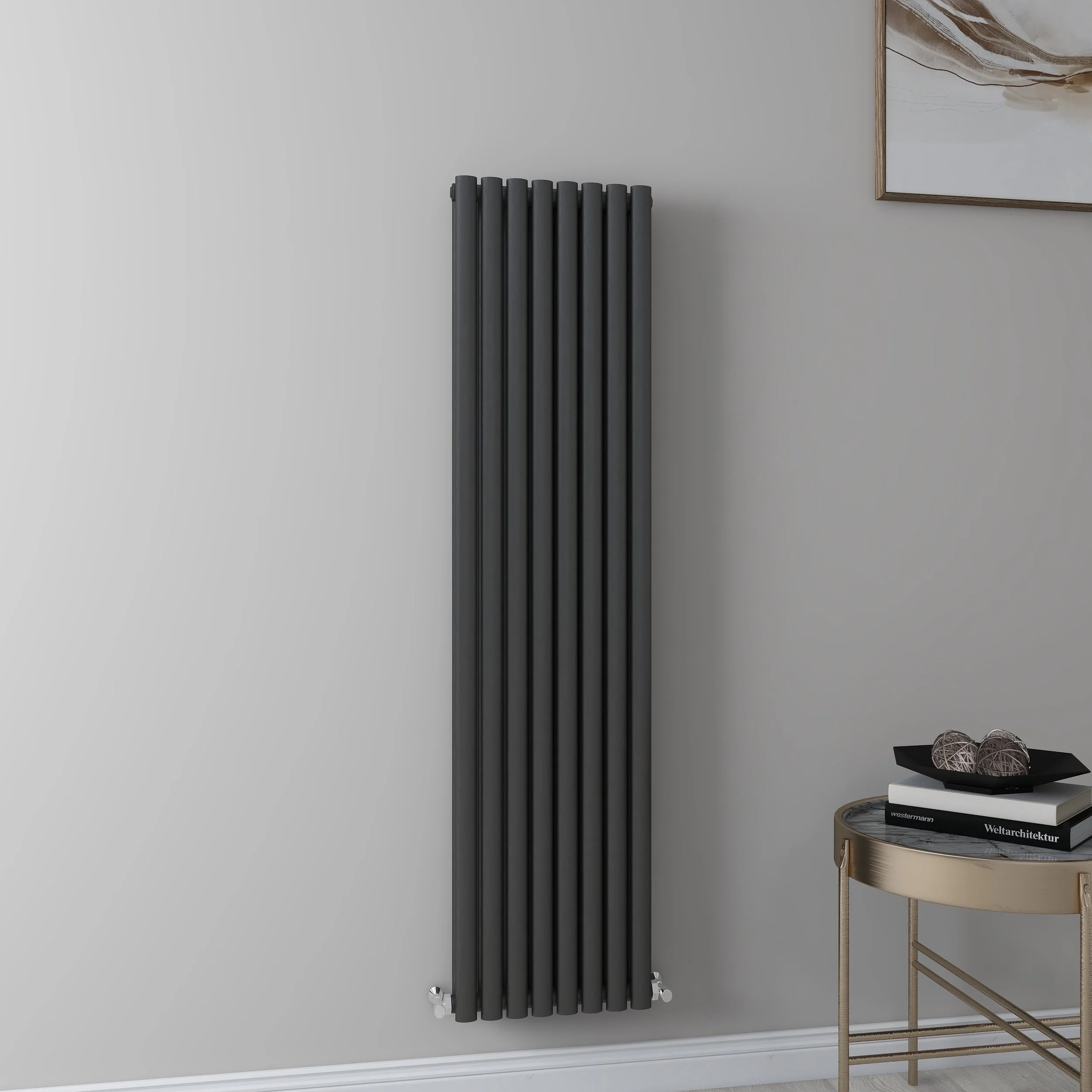
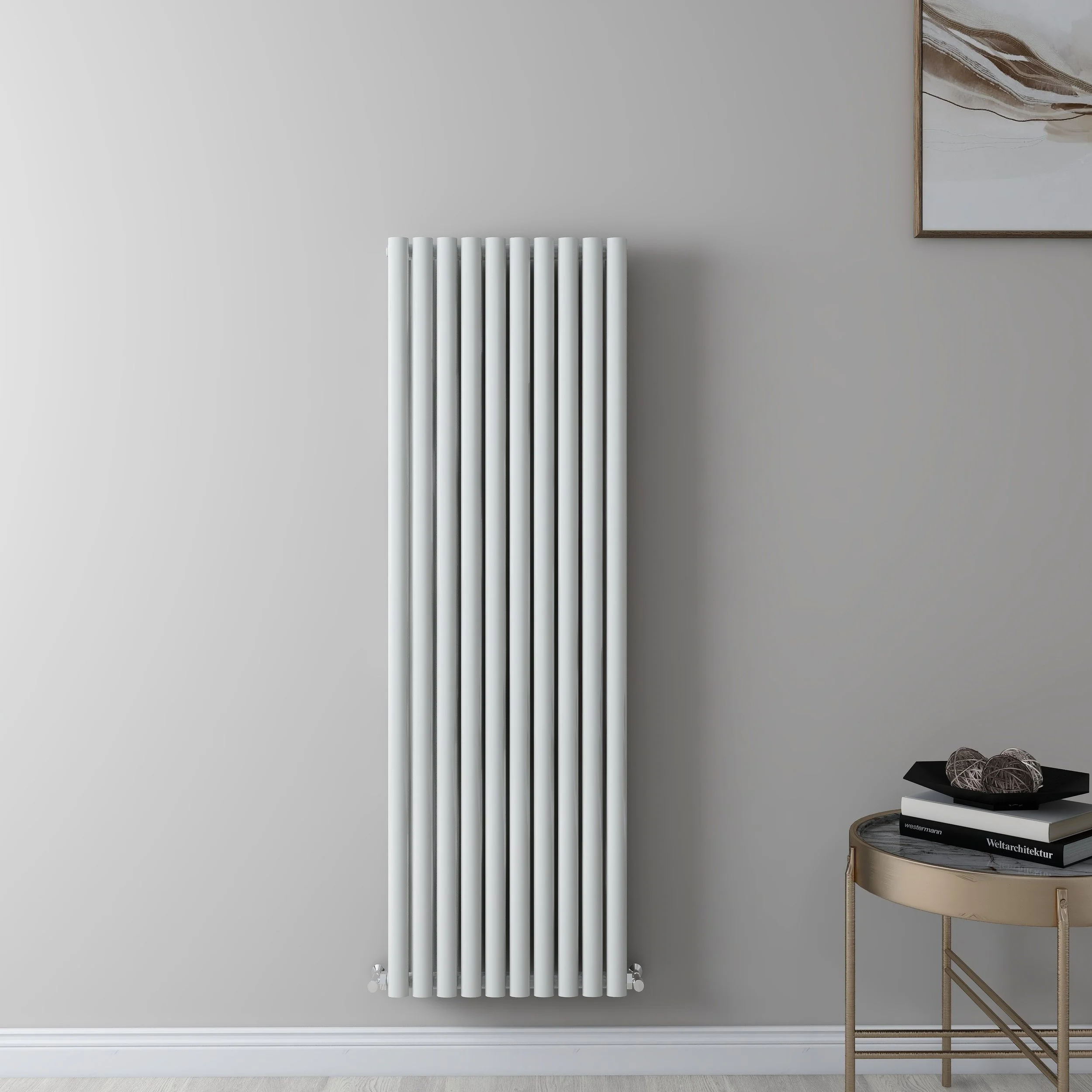
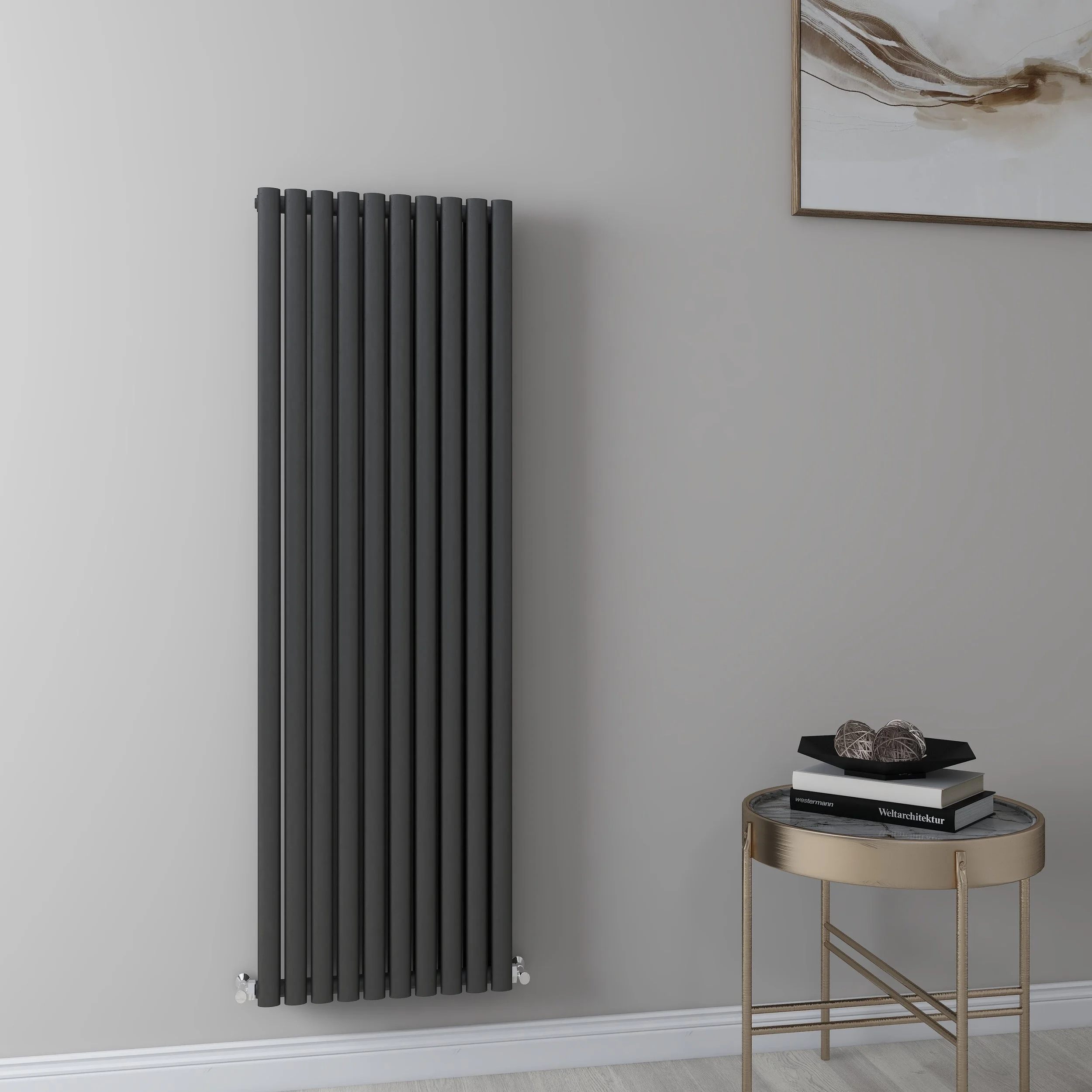
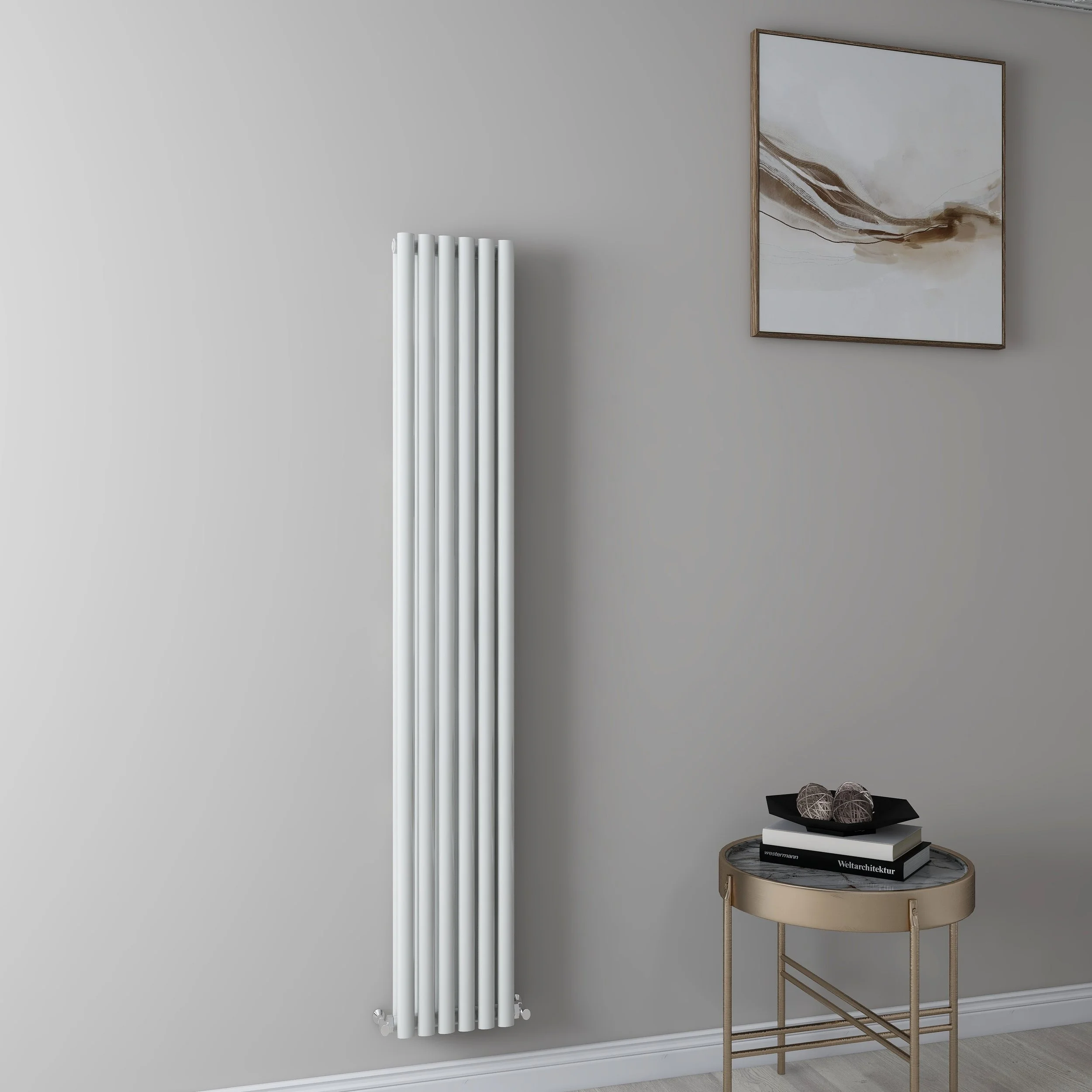
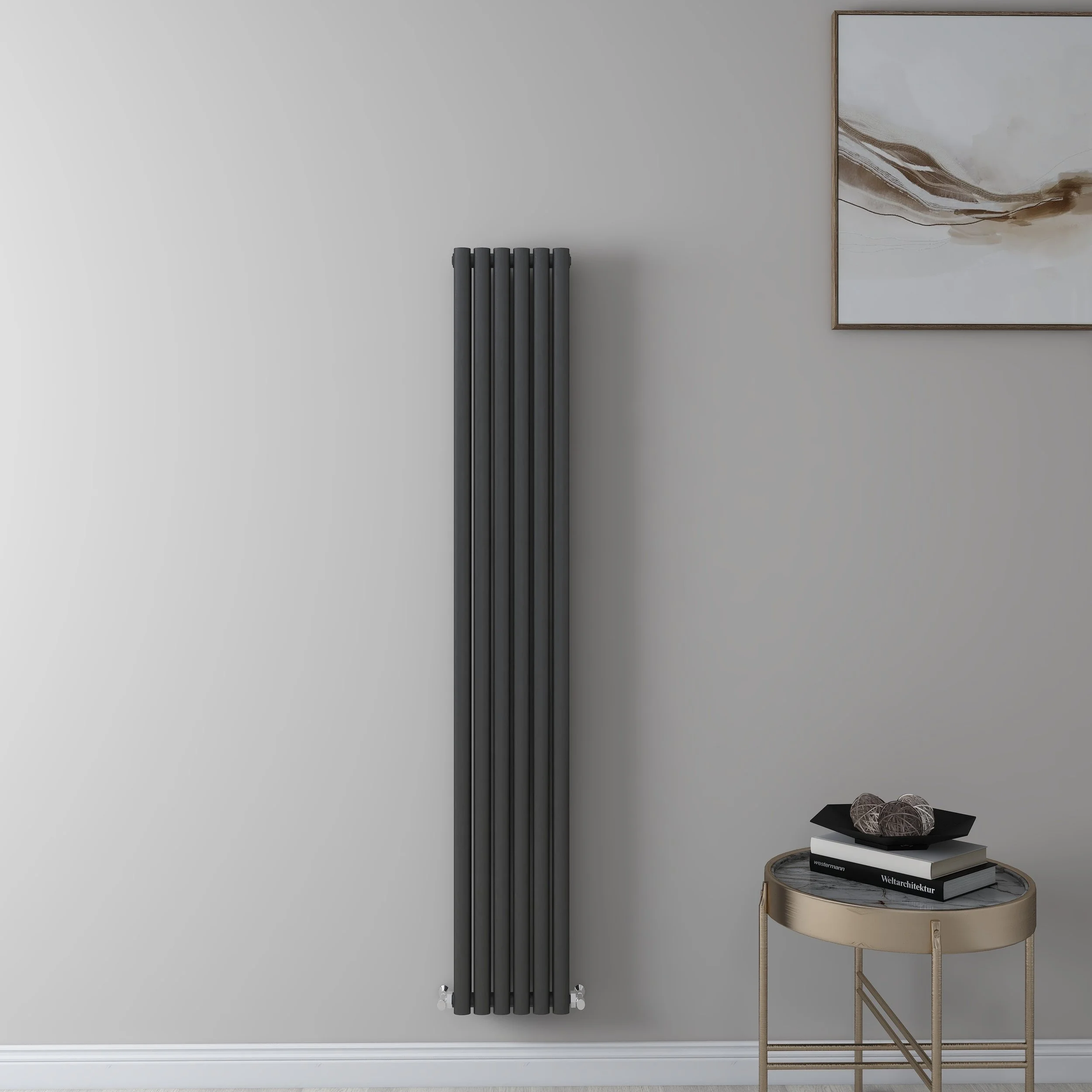
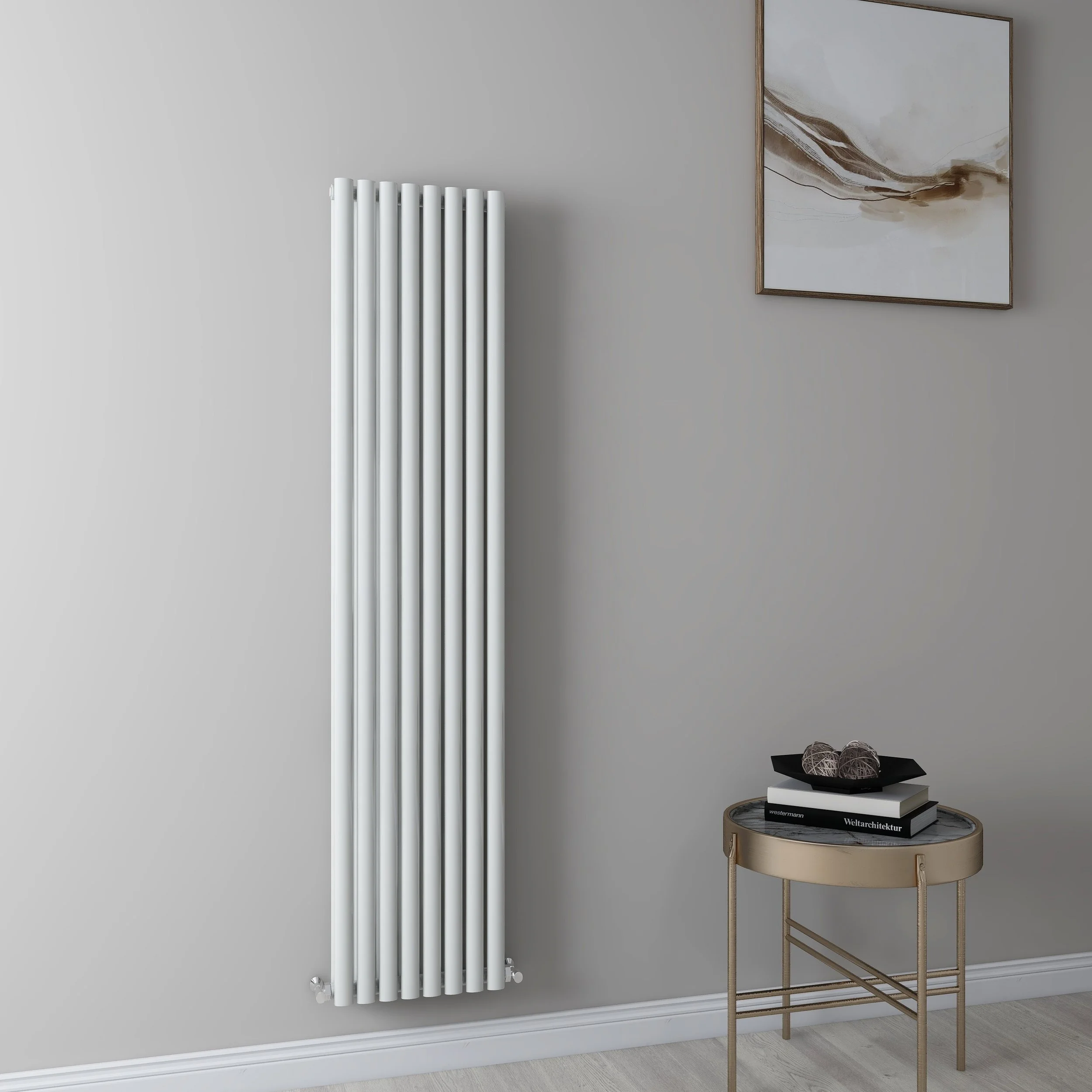
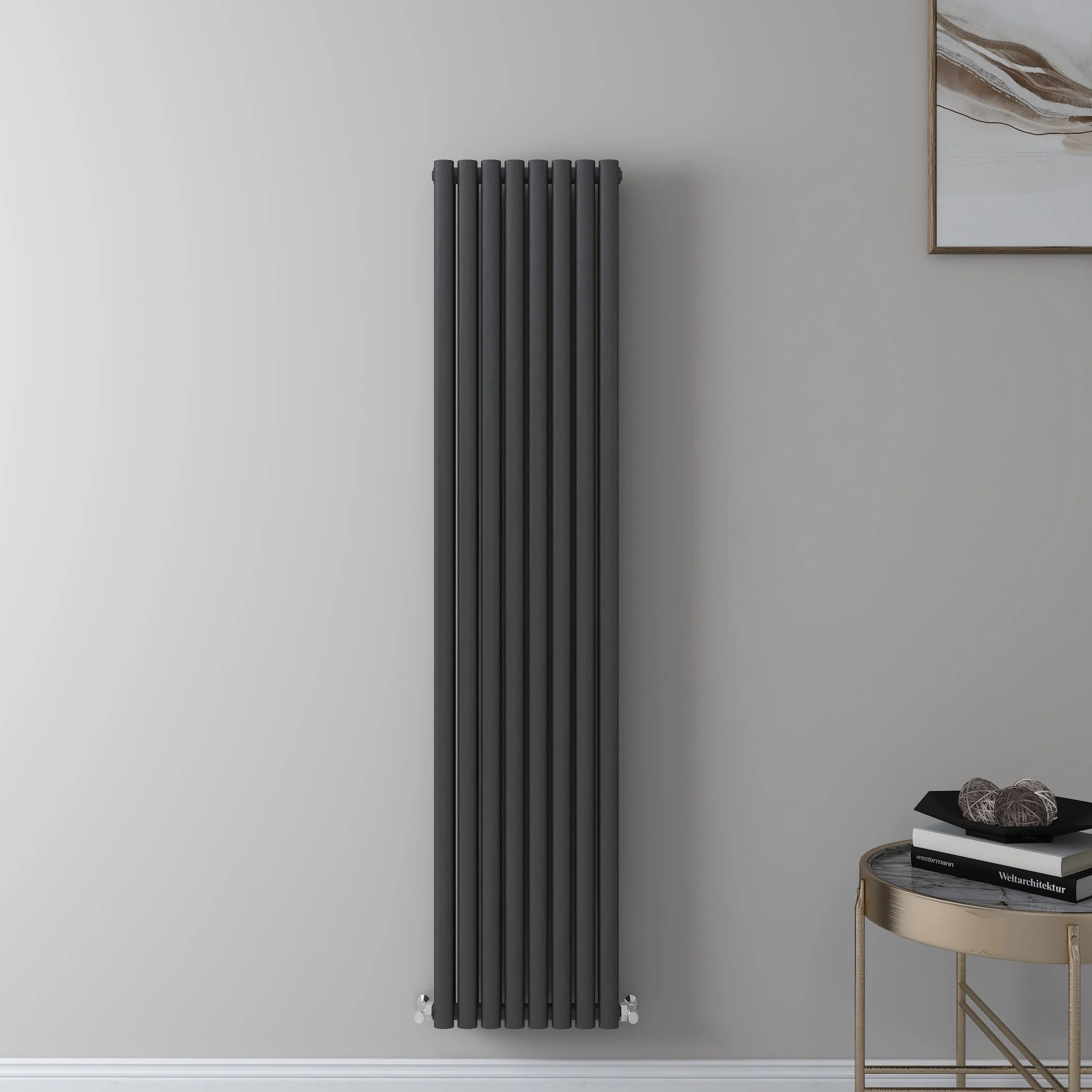

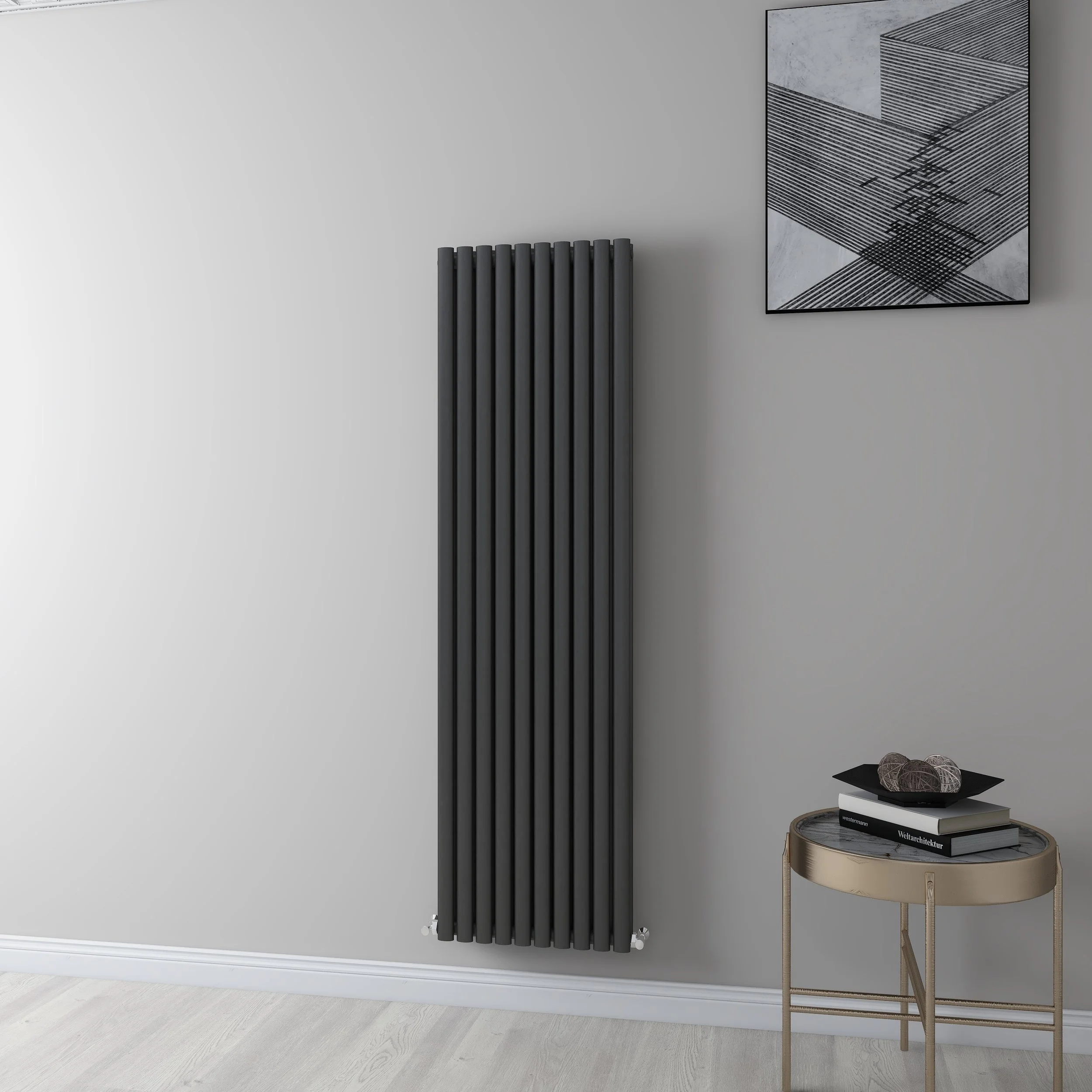
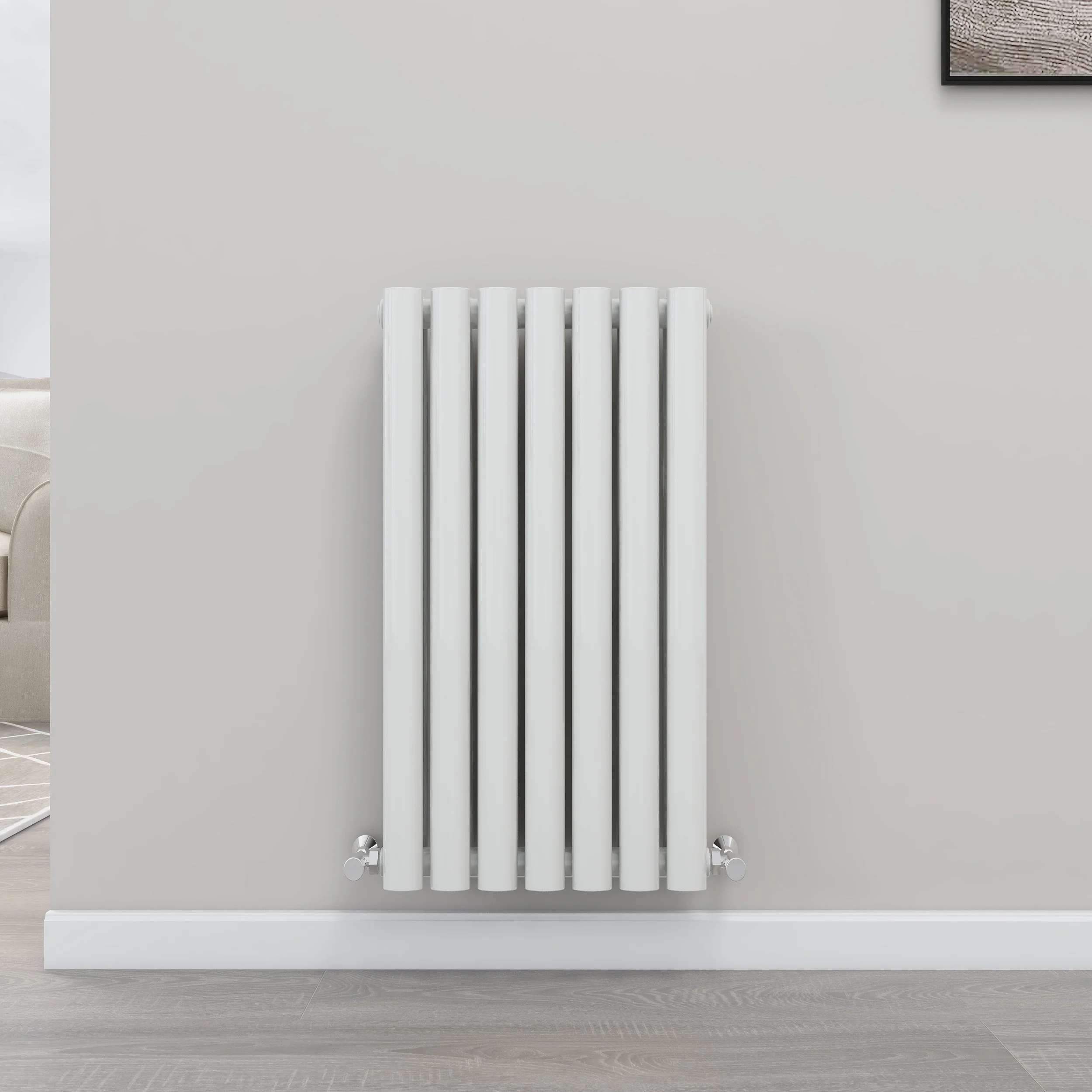
A Vertical Radiator Double Panel is an efficient heating solution designed for modern interiors where space optimisation is essential. Featuring two heating panels arranged vertically, this radiator maximises heat output while maintaining a slim profile, making it ideal for narrow wall spaces. Constructed from high-quality materials, it ensures rapid heat distribution and durability. Suitable for various room styles, it combines functionality with contemporary design, providing consistent warmth without occupying excessive floor area. Easy to install and maintain, the Vertical Radiator Double Panel is a practical choice for both residential and commercial properties.
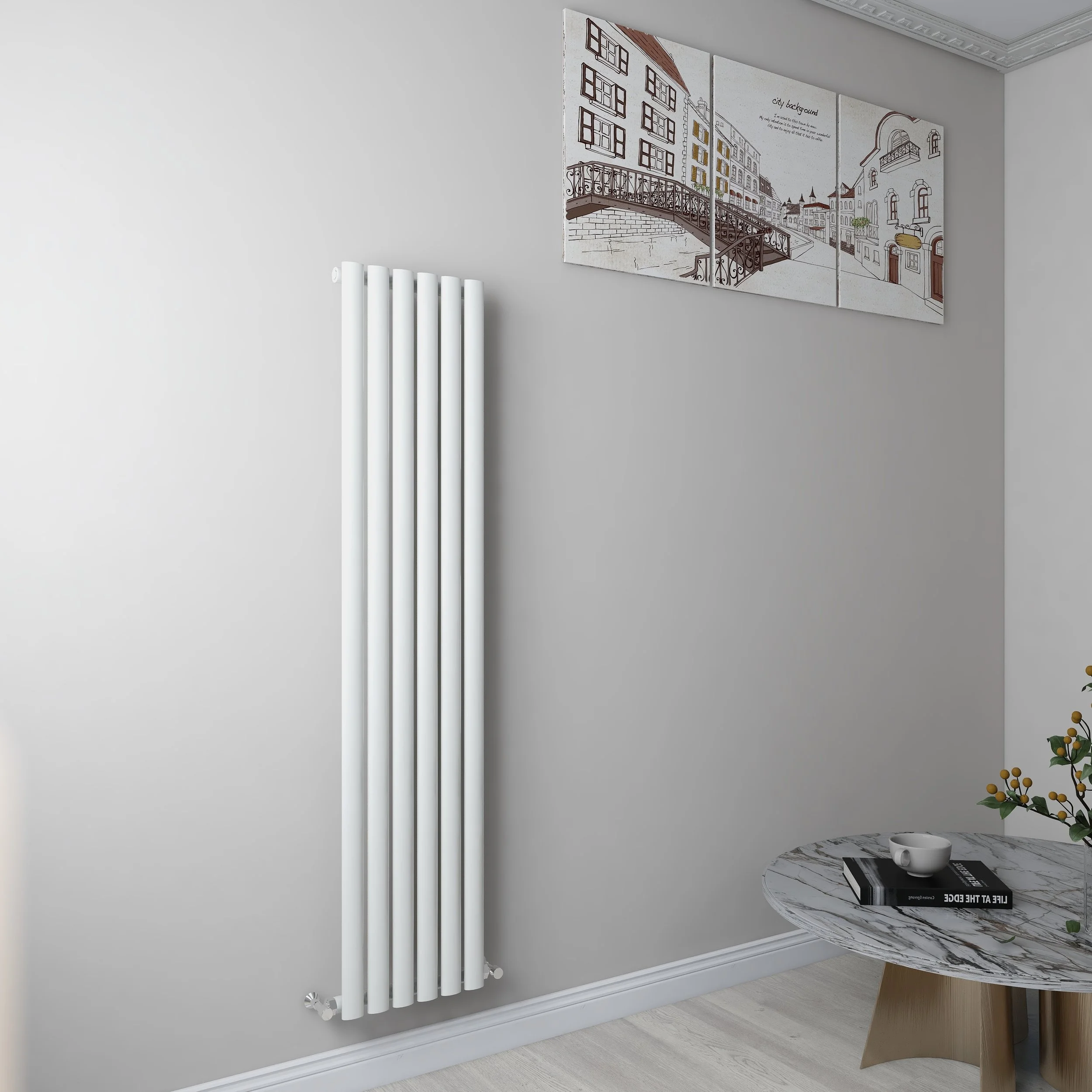
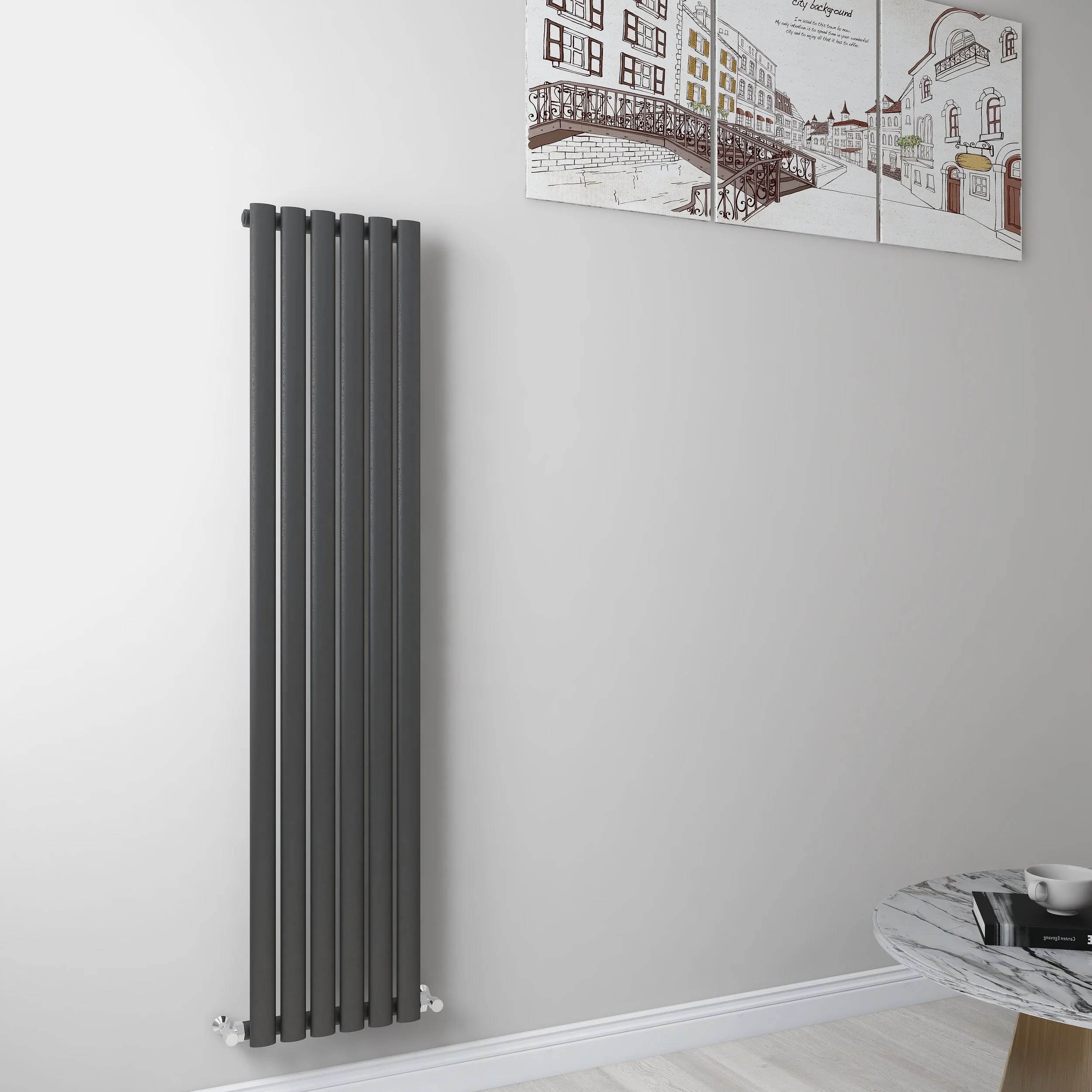
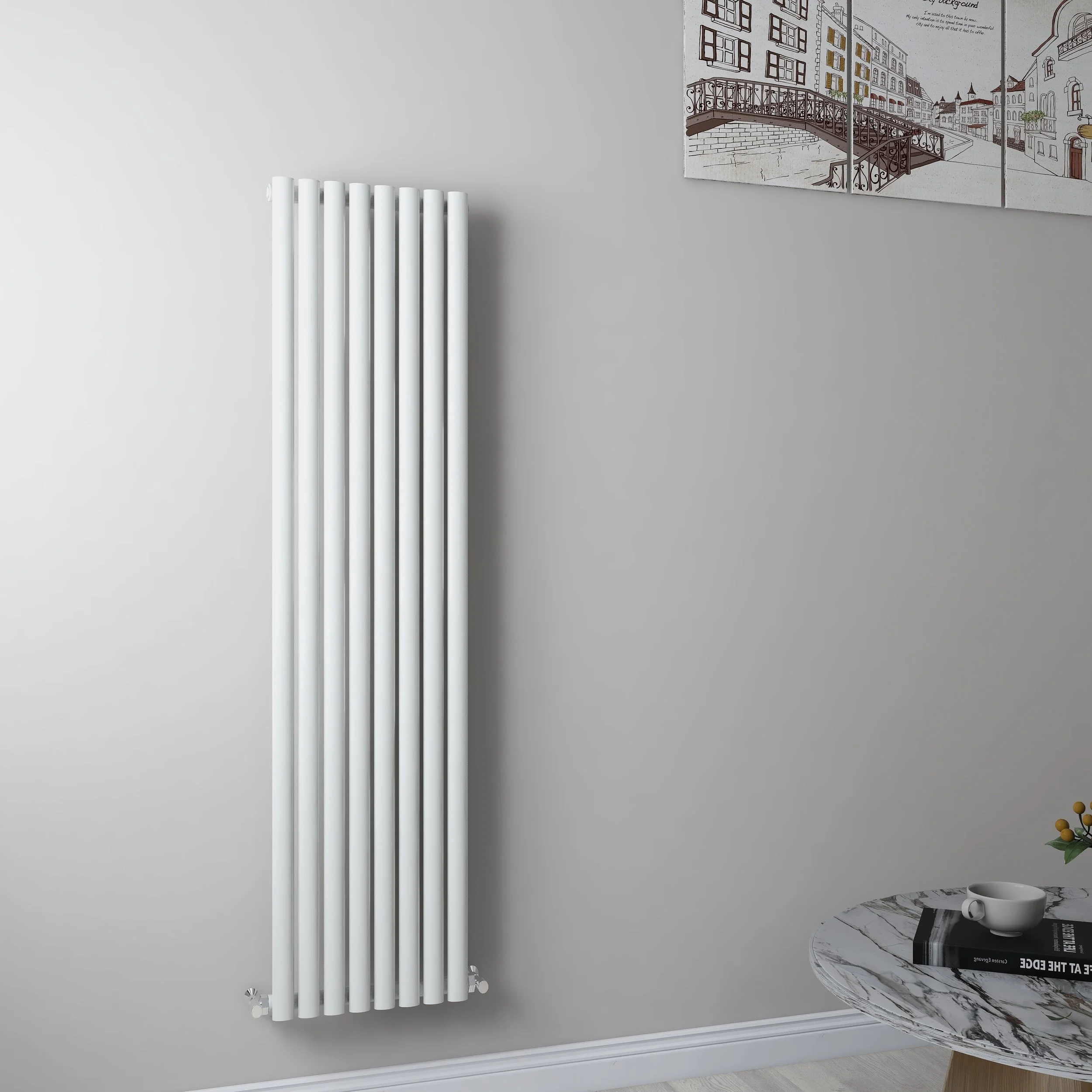
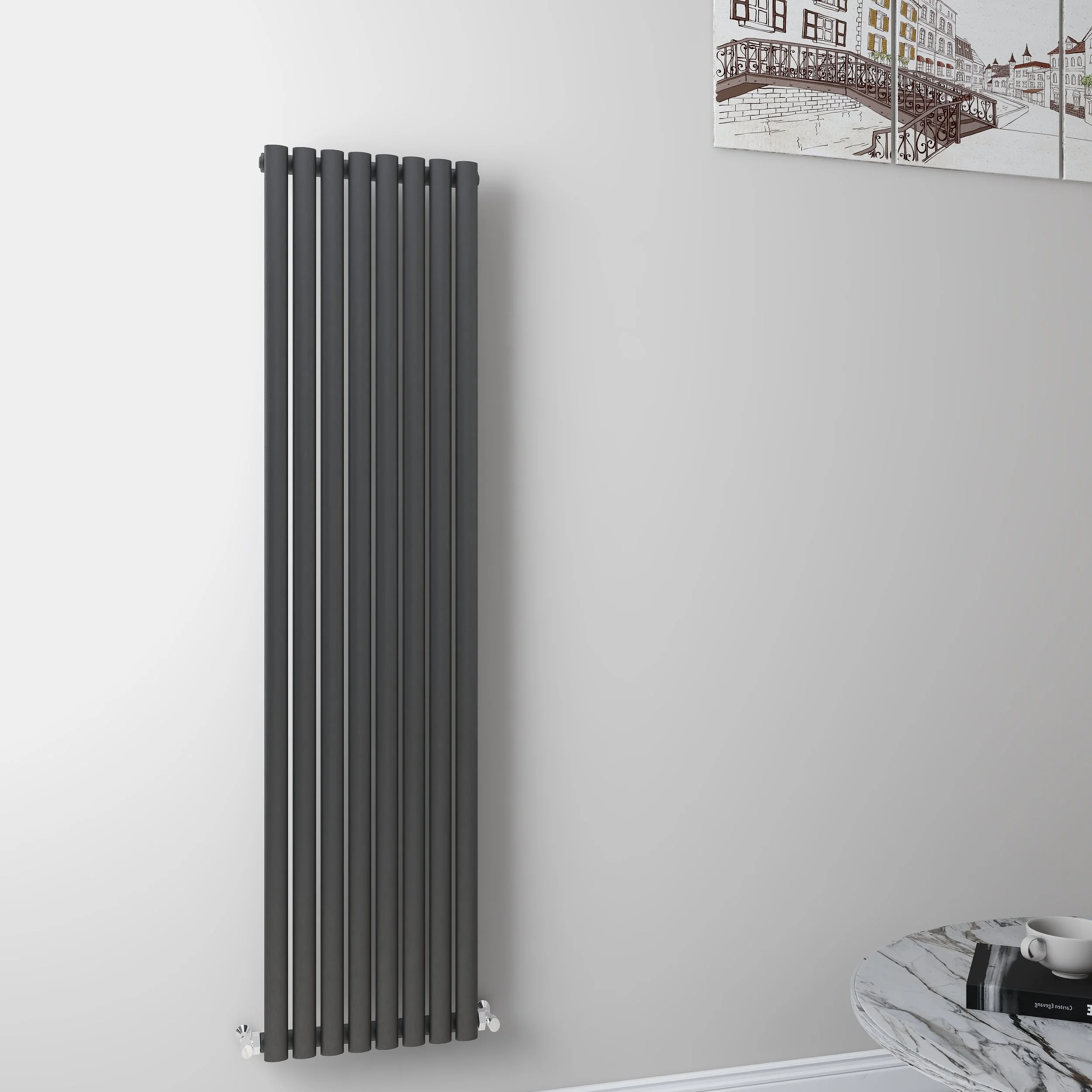
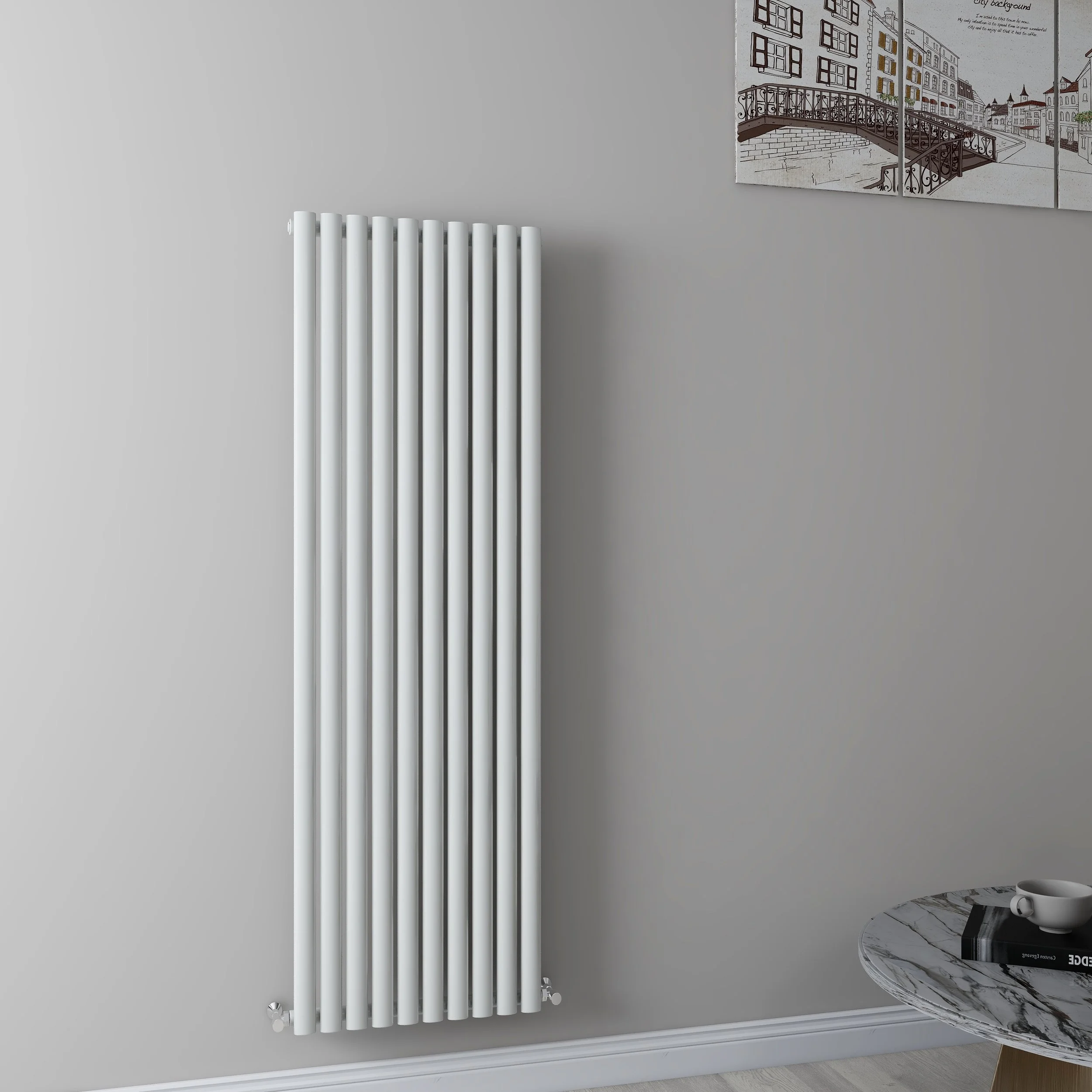
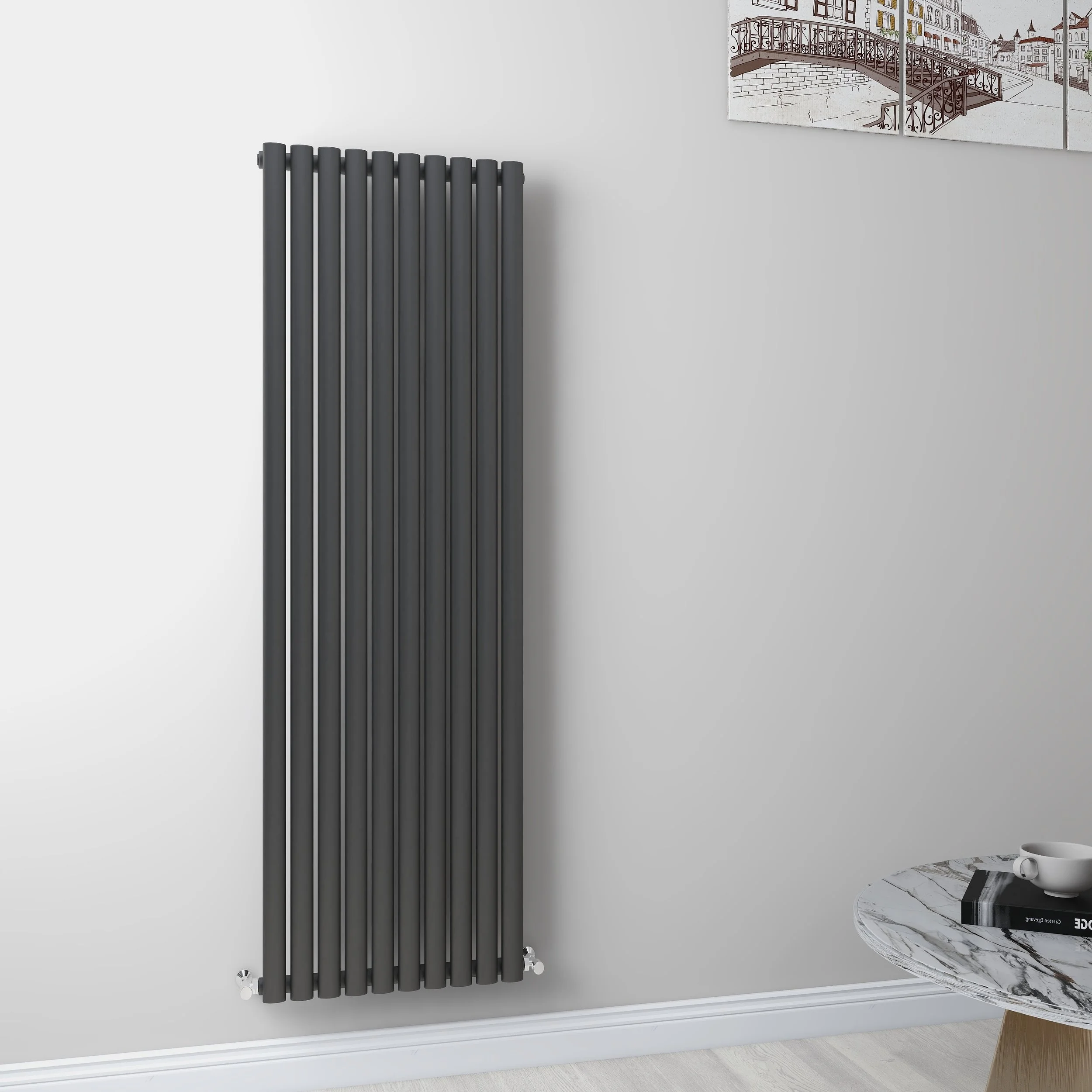


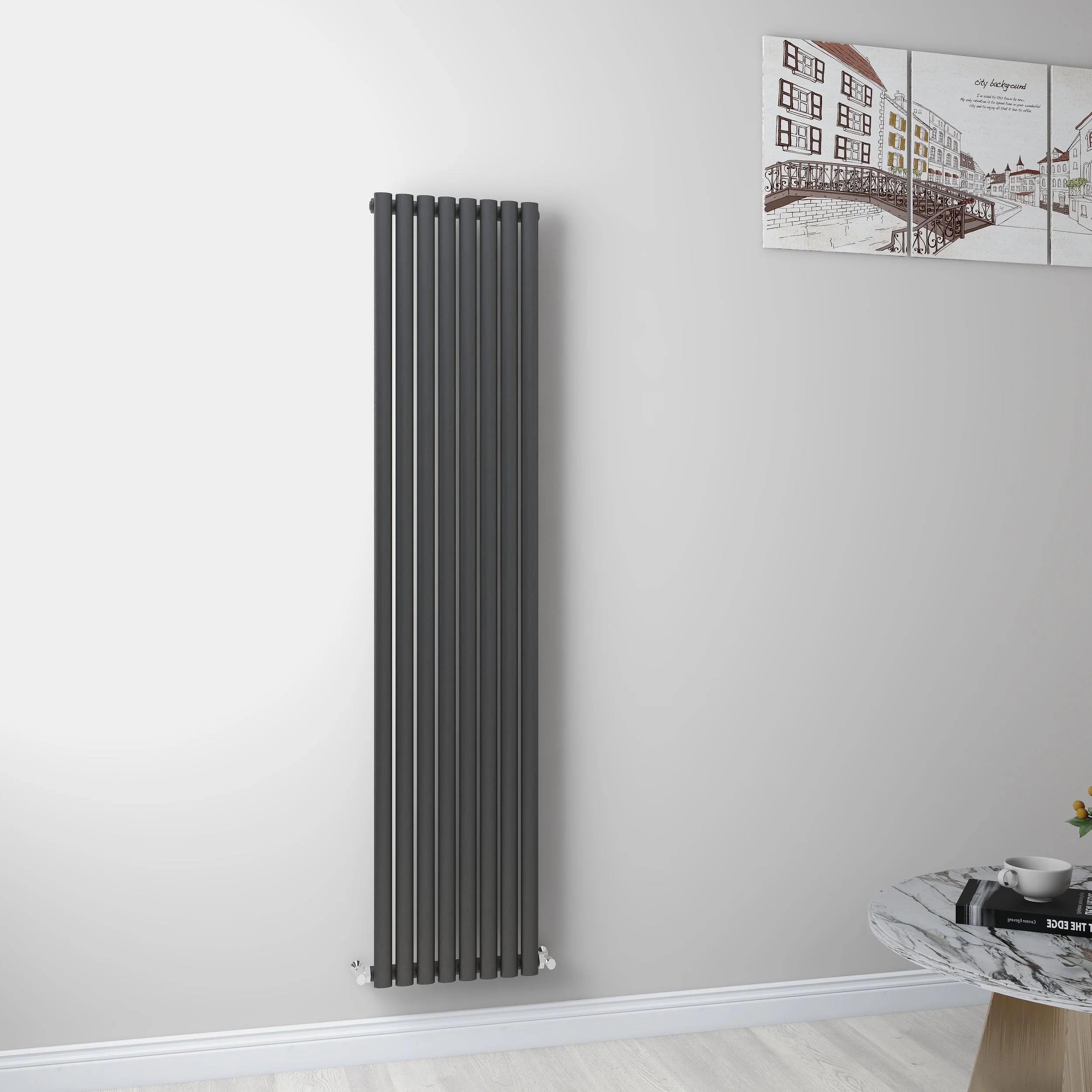
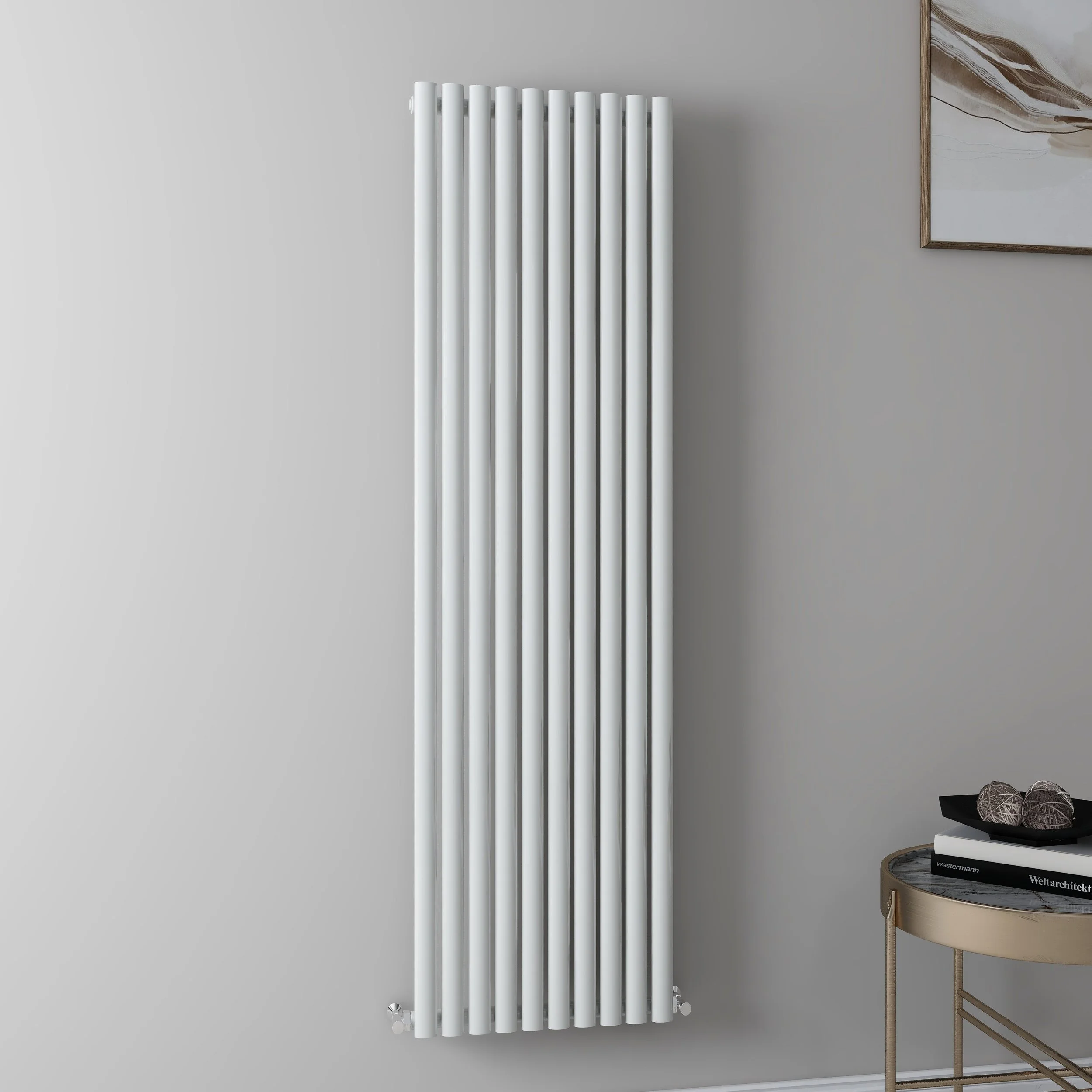

A vertical radiator is a sleek and space-saving heating solution designed to maximise wall space while providing efficient warmth. Ideal for narrow or compact areas, vertical radiators are often used in hallways, bathrooms, or modern living rooms where horizontal space is limited. They come in a modern oval column design, allowing seamless integration into different interior decors. Vertical radiators can also serve as a design feature, adding elegance and sophistication to a room. Easy to install and maintain, they offer efficient heat output and contribute to comfortable, evenly distributed warmth throughout your space.
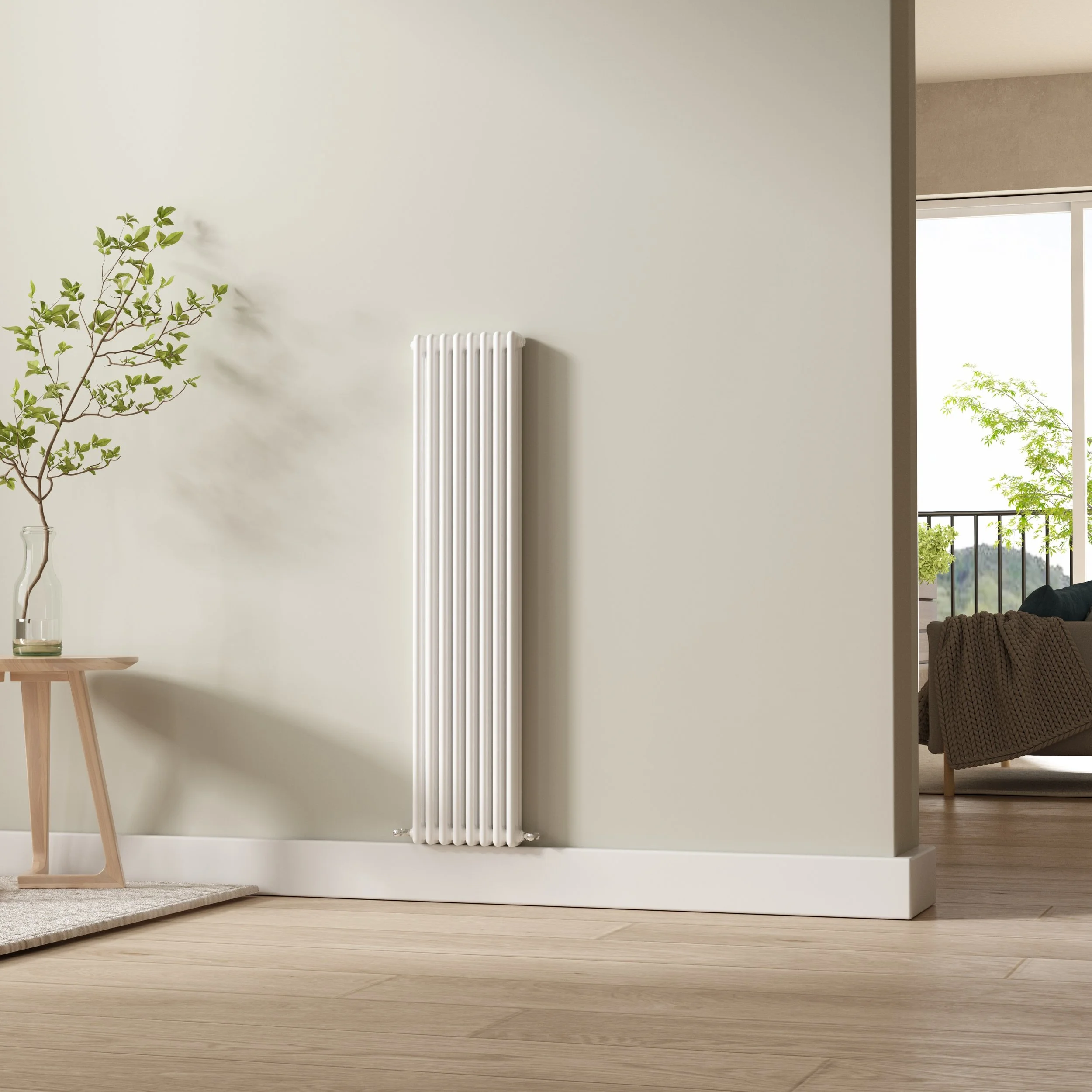
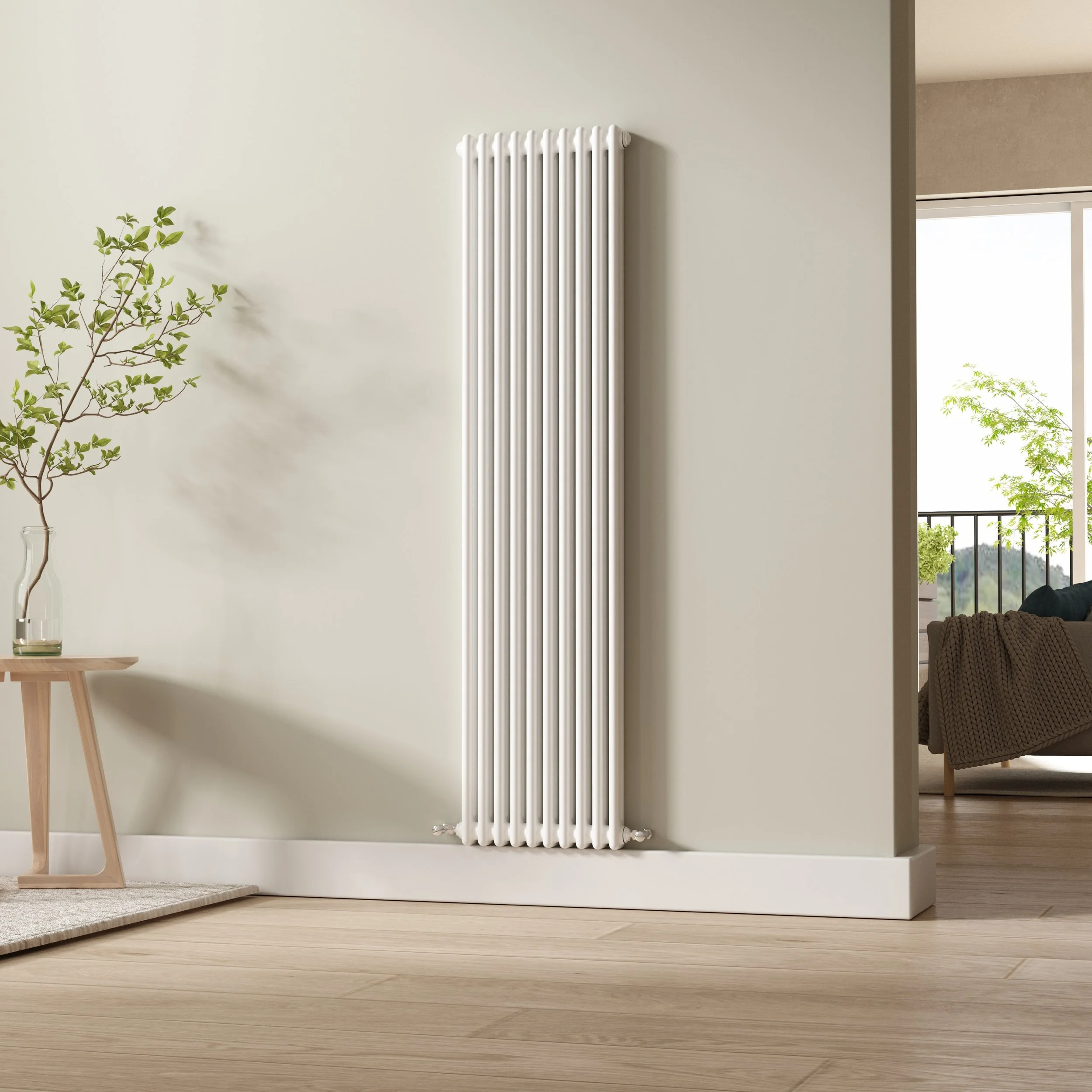
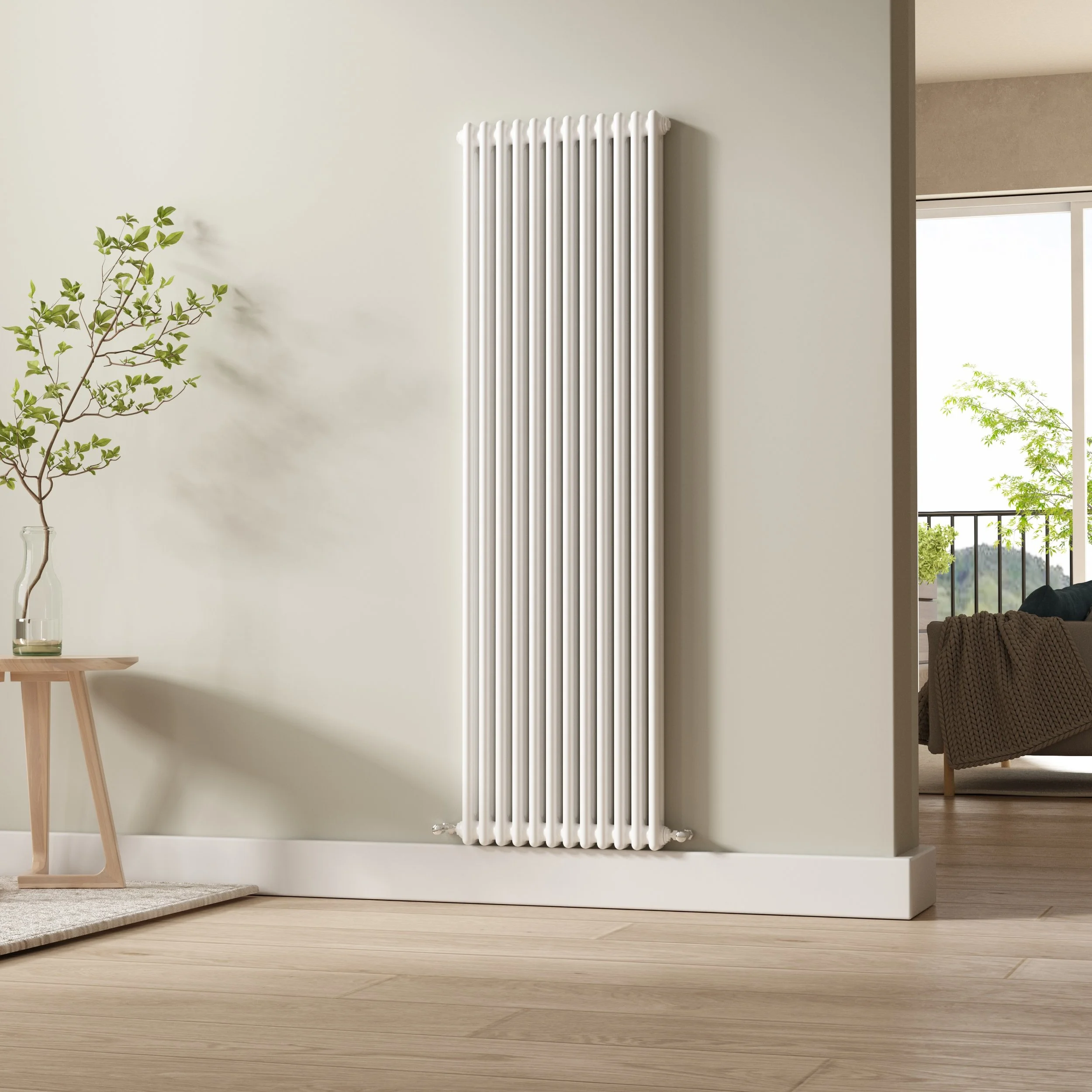
Vertical Cast Iron Radiator — Double Column
A vertical cast iron radiator with a double-column design combines classic cast-iron durability with a space-saving vertical profile. Each section contains two parallel columns, delivering more surface area for heat transfer than a single-column unit while maintaining a narrow footprint ideal for tight wall spaces or rooms with tall ceilings.
Key features
Construction: Traditional cast iron for high thermal mass and long-term durability.
Columns: Double-column (2-column) per section radiating surface area and heat output.
Vertical profile: Tall, slender sections minimize horizontal wall space use—suitable for hallways, narrow rooms, or between windows.
Heat output: High thermal mass provides steady, even heat and retains warmth after the heating system cycles off. Output varies by section height and spacing; commonly rated in BTU per section at standard ΔT (e.g., 50°F).
Finish options: Typically available in primer for painting, enamel finishes (white, black, or custom colors), or antiqued patinas to match period interiors.
Plumbing: Compatible with standard hydronic systems; can be installed with traditional iron pipe connections, compression fittings, or modern adapters. May require bleed valves and floor or wall-mounted brackets.
Installation: Professional installation recommended due to weight and need for secure mounting and proper pipe connections. Floor-mount or wall-mount bracket options available depending on model and weight distribution.
Maintenance: Minimal—periodic bleeding to remove trapped air, occasional repainting if desired, and checking brackets and connections for integrity.
Benefits
Efficient, even radiant heat with comfortable warmth and reduced temperature swings.
Classic aesthetic that complements period and contemporary interiors when finished appropriately.
Flexible configuration—sections allow customizable length and output.
Applications
Historic home restorations, loft conversions, narrow rooms, stairwells, bathrooms, and entryways where wall space is limited but high heat output is needed.
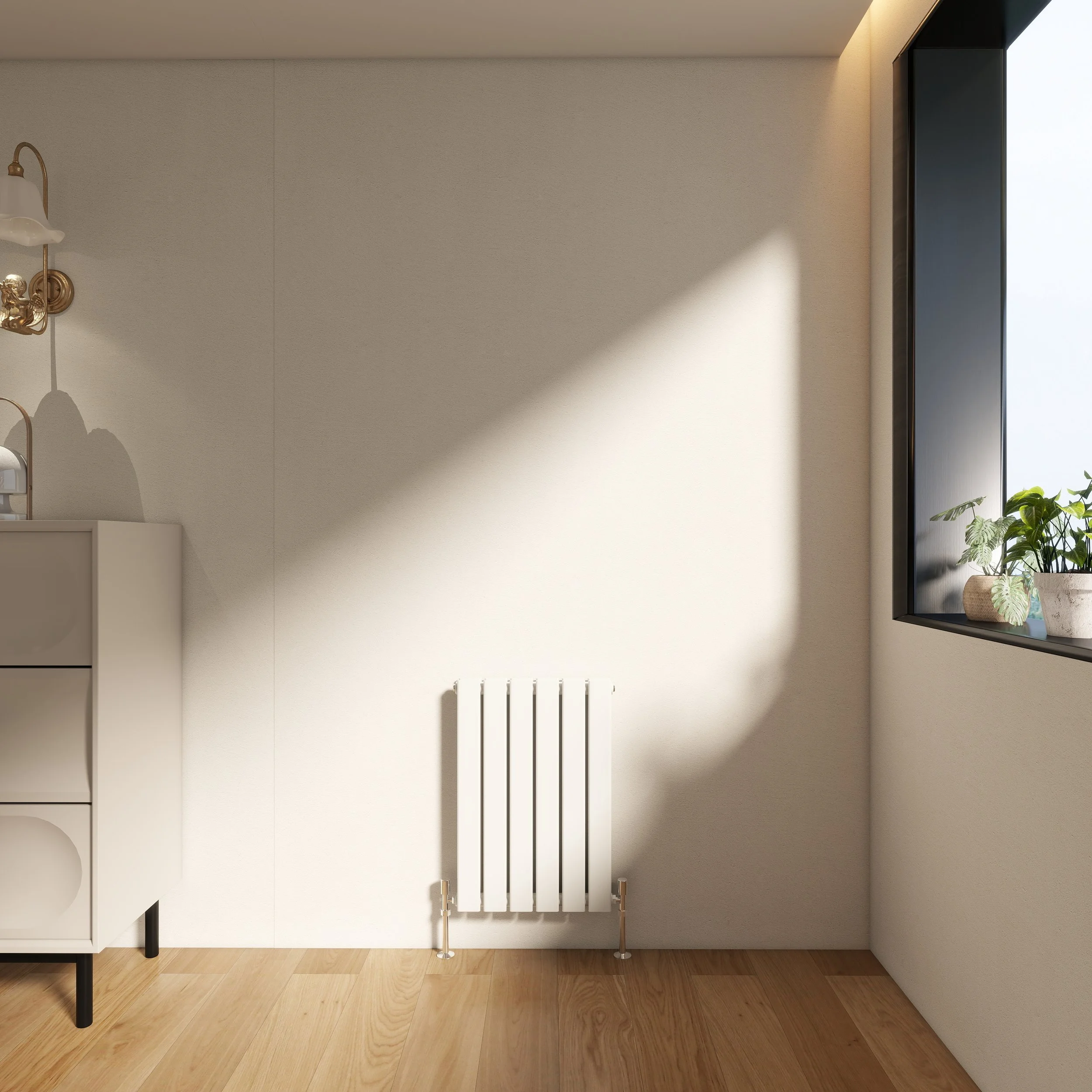
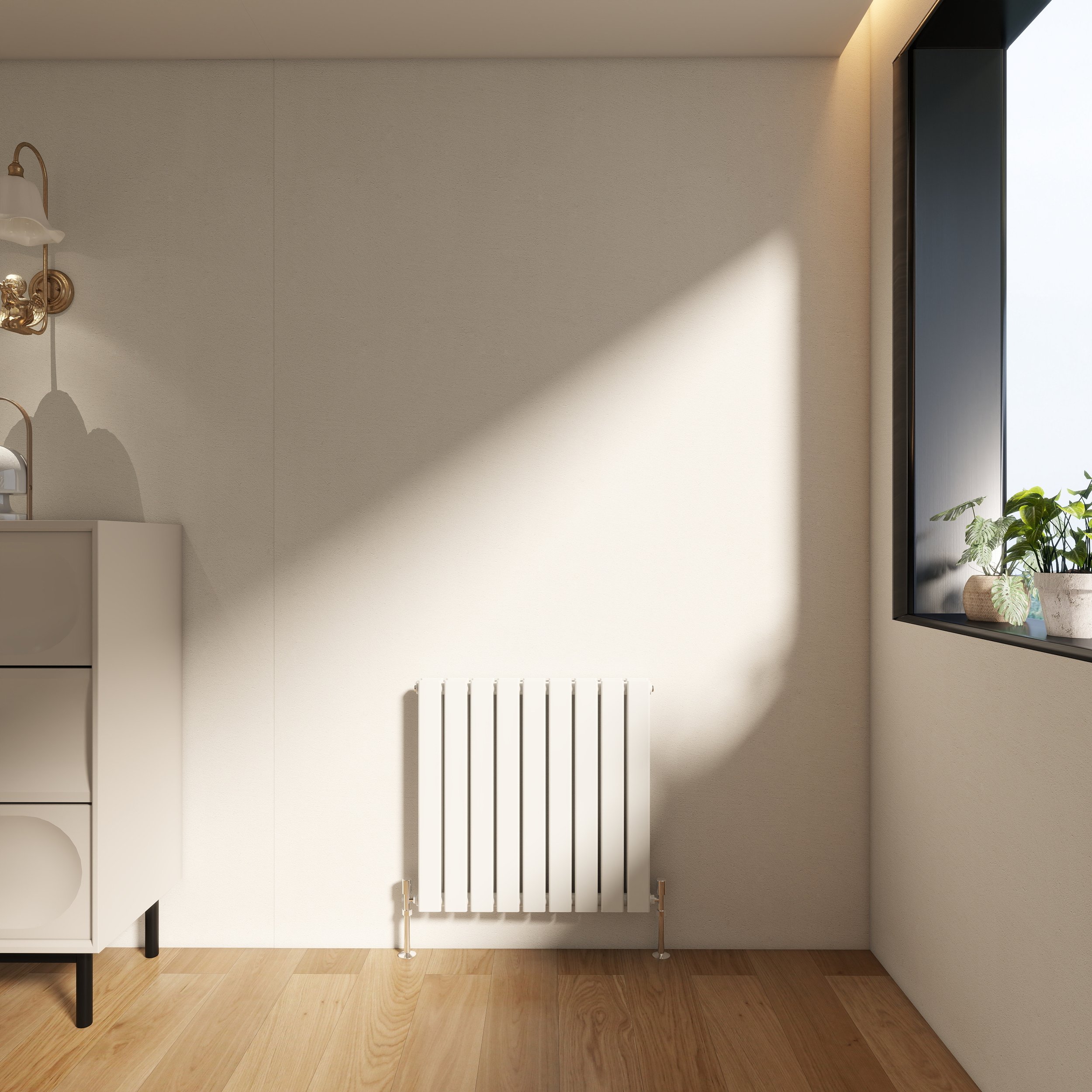
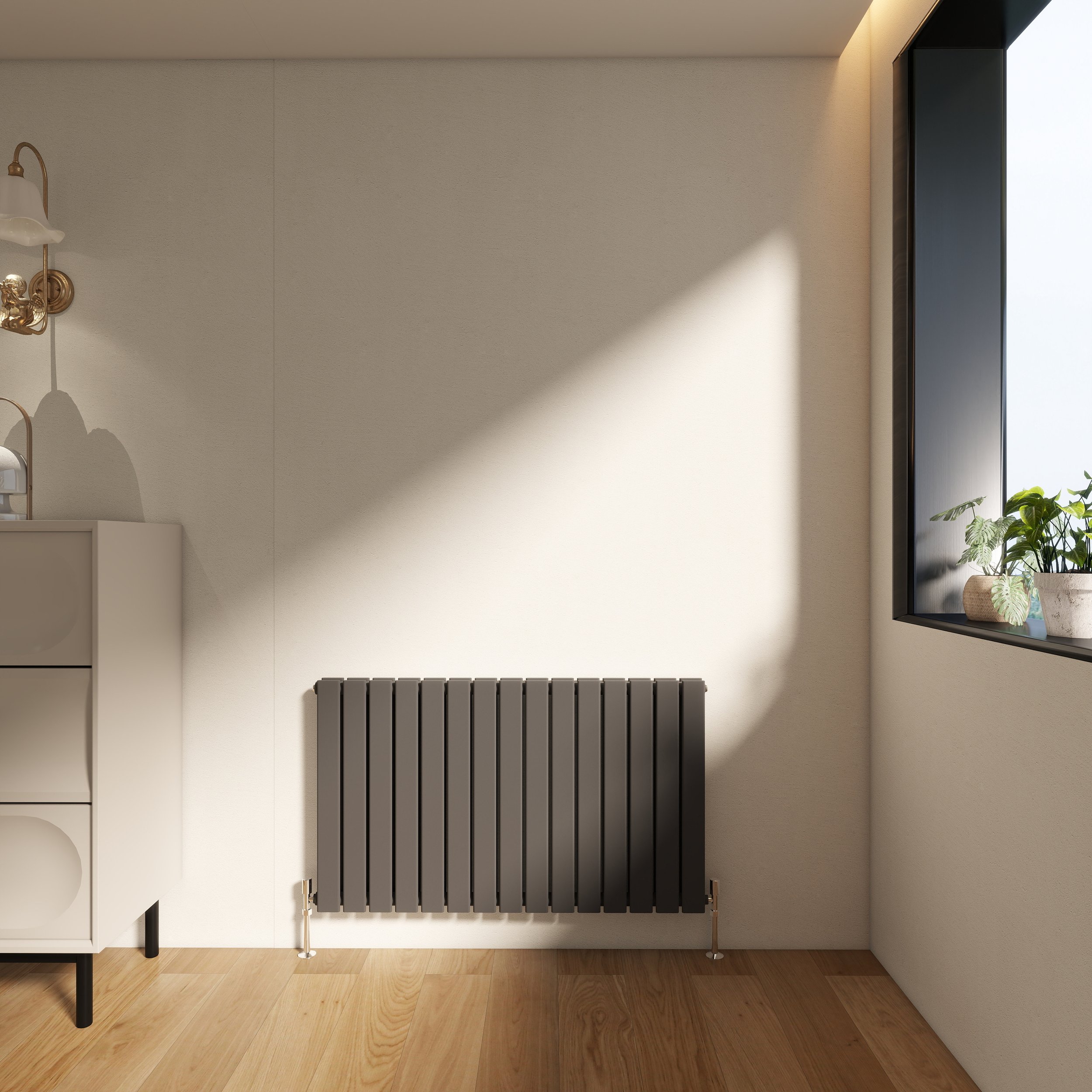
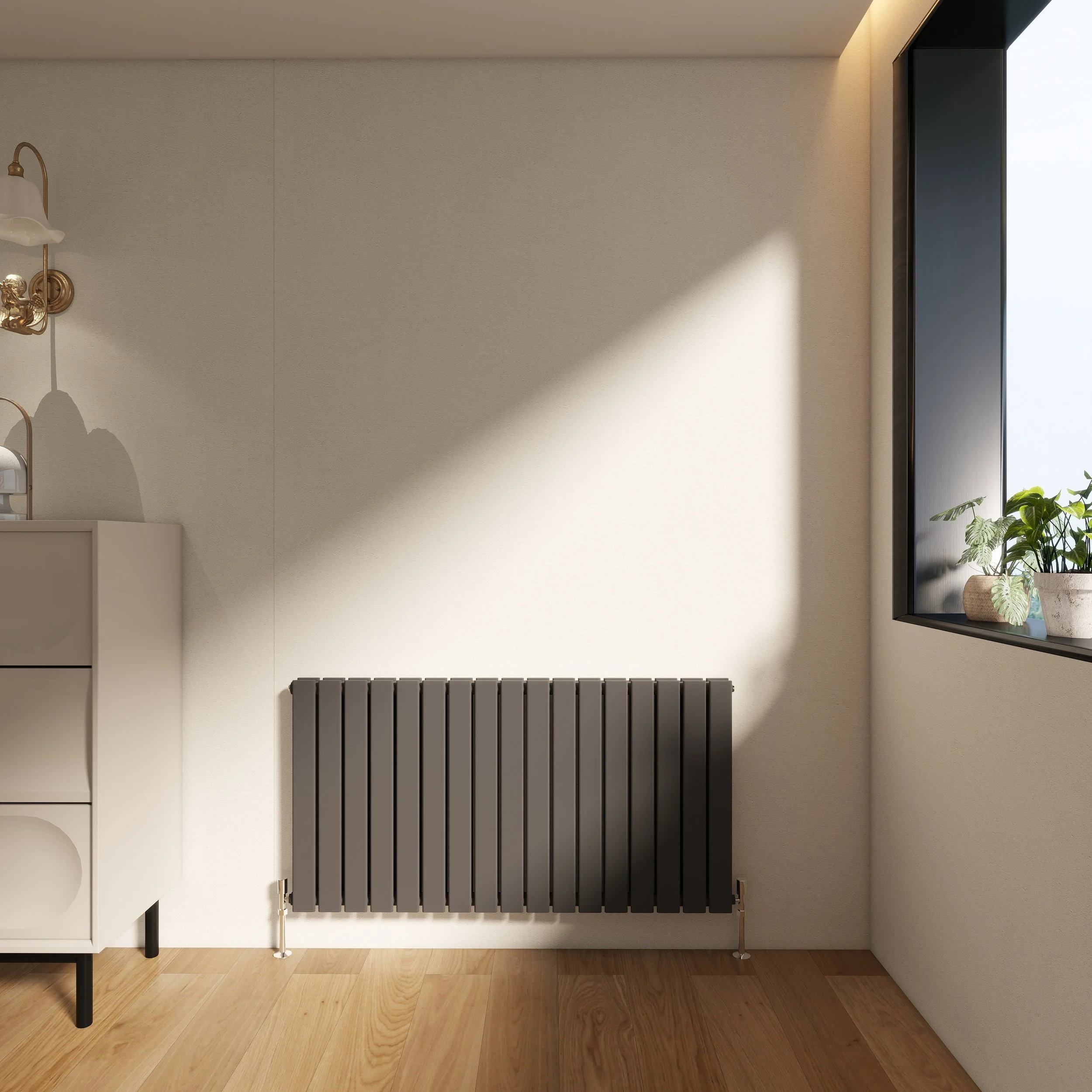
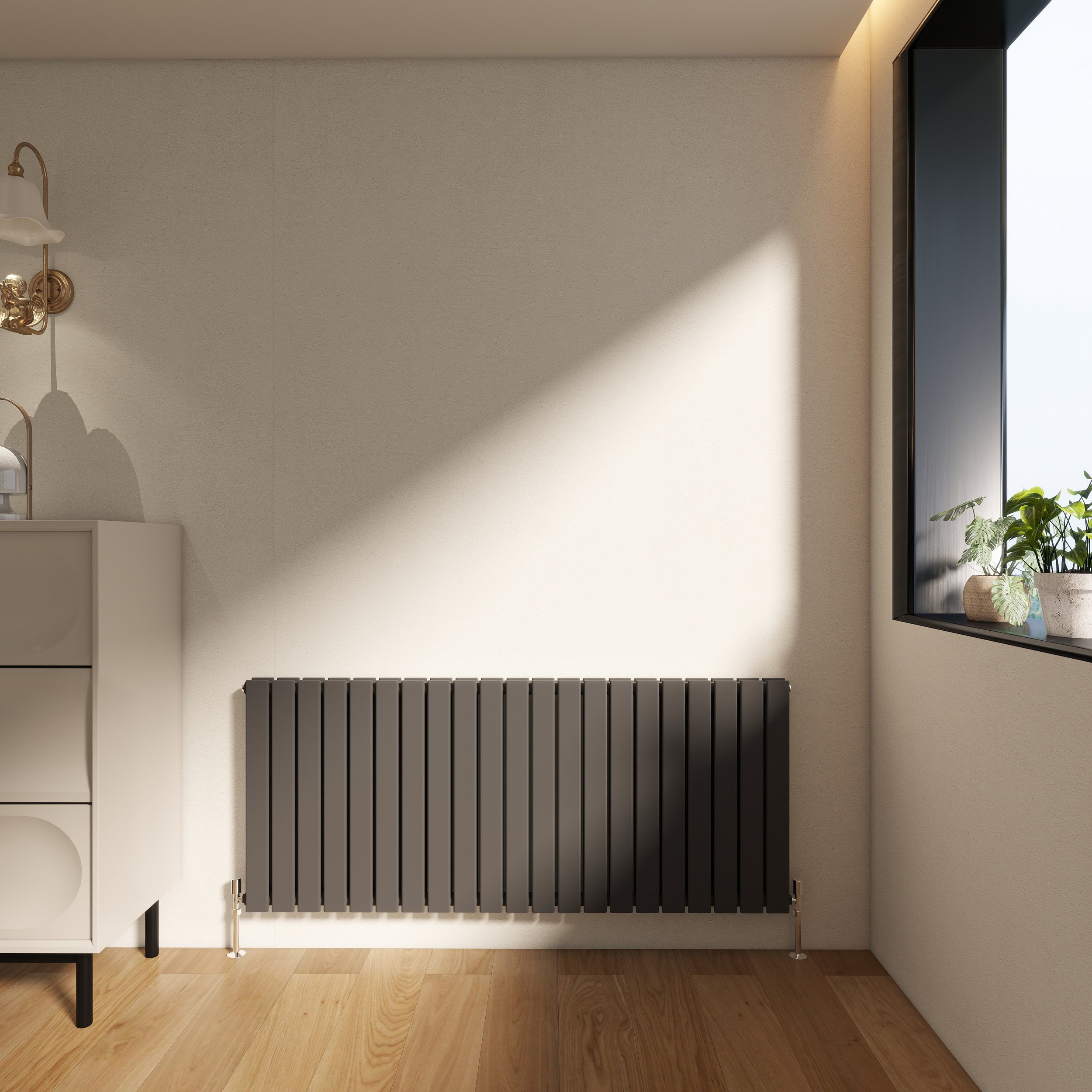
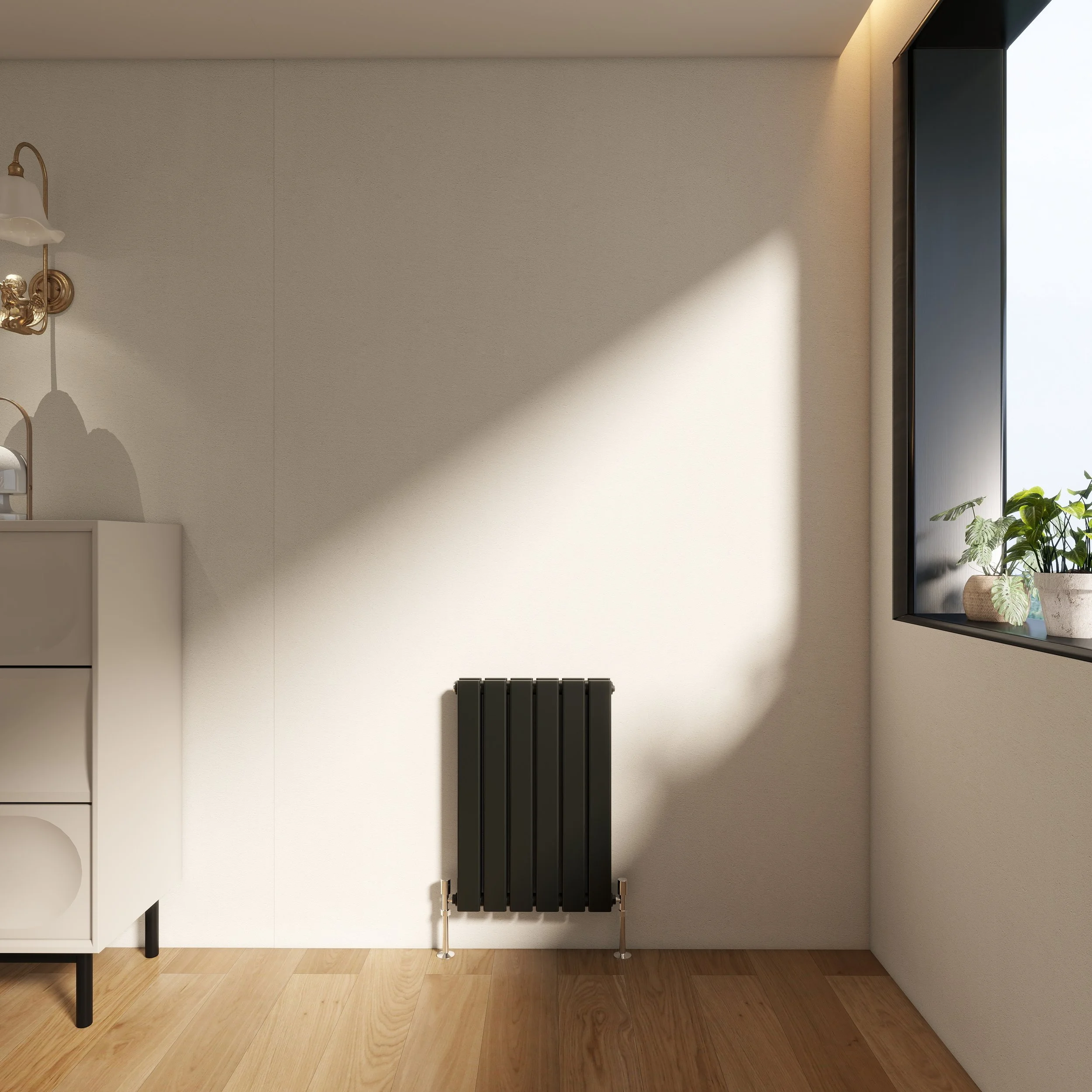
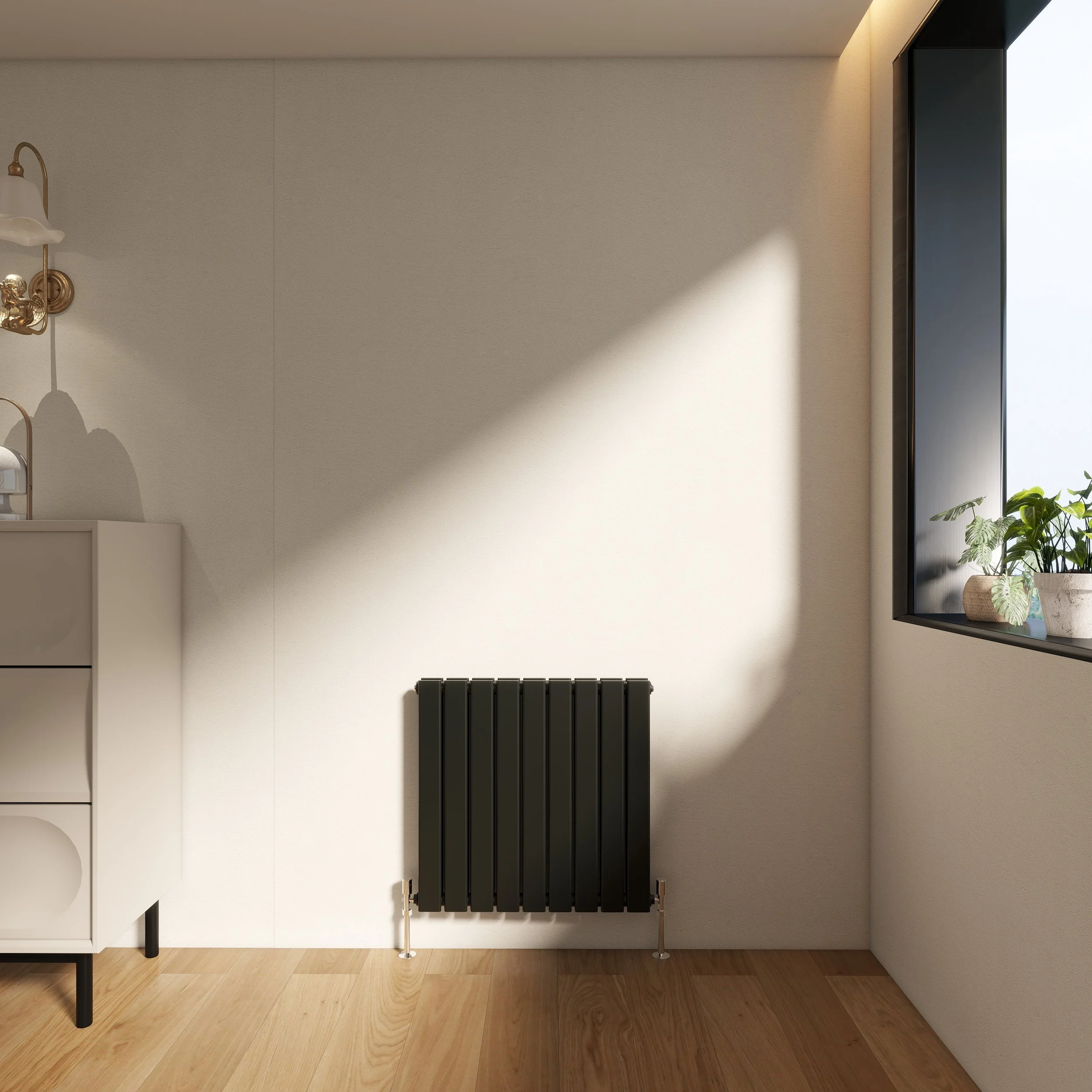
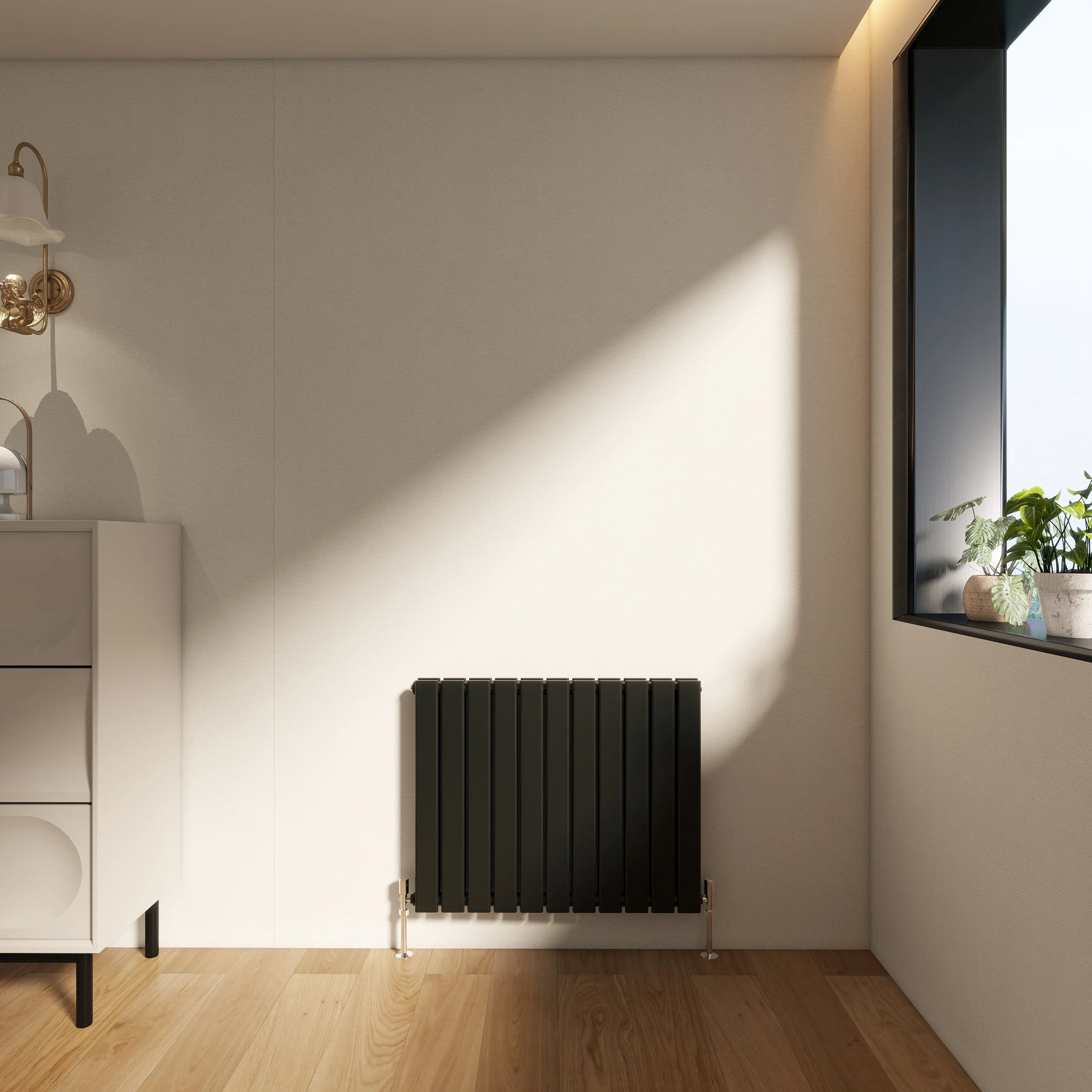
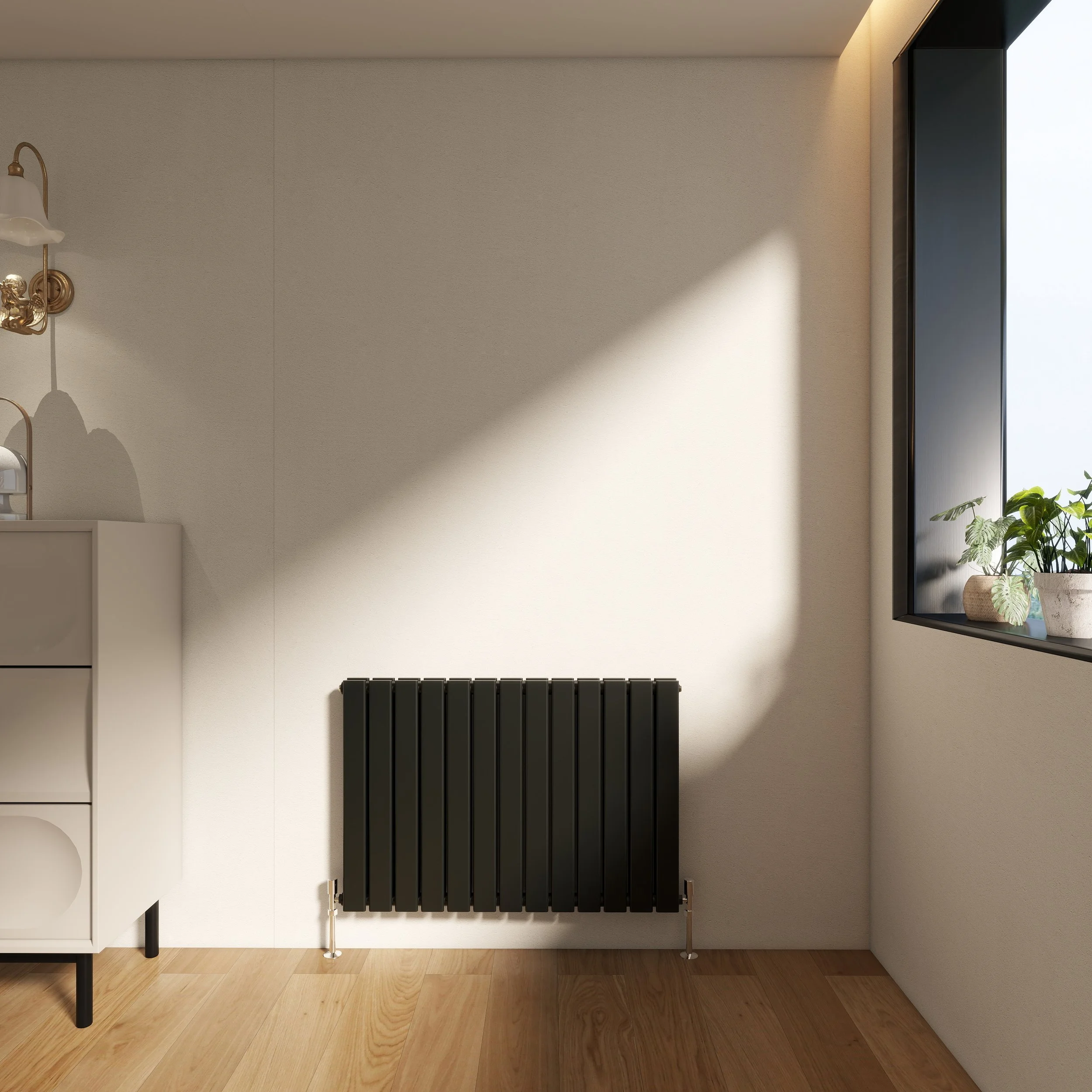
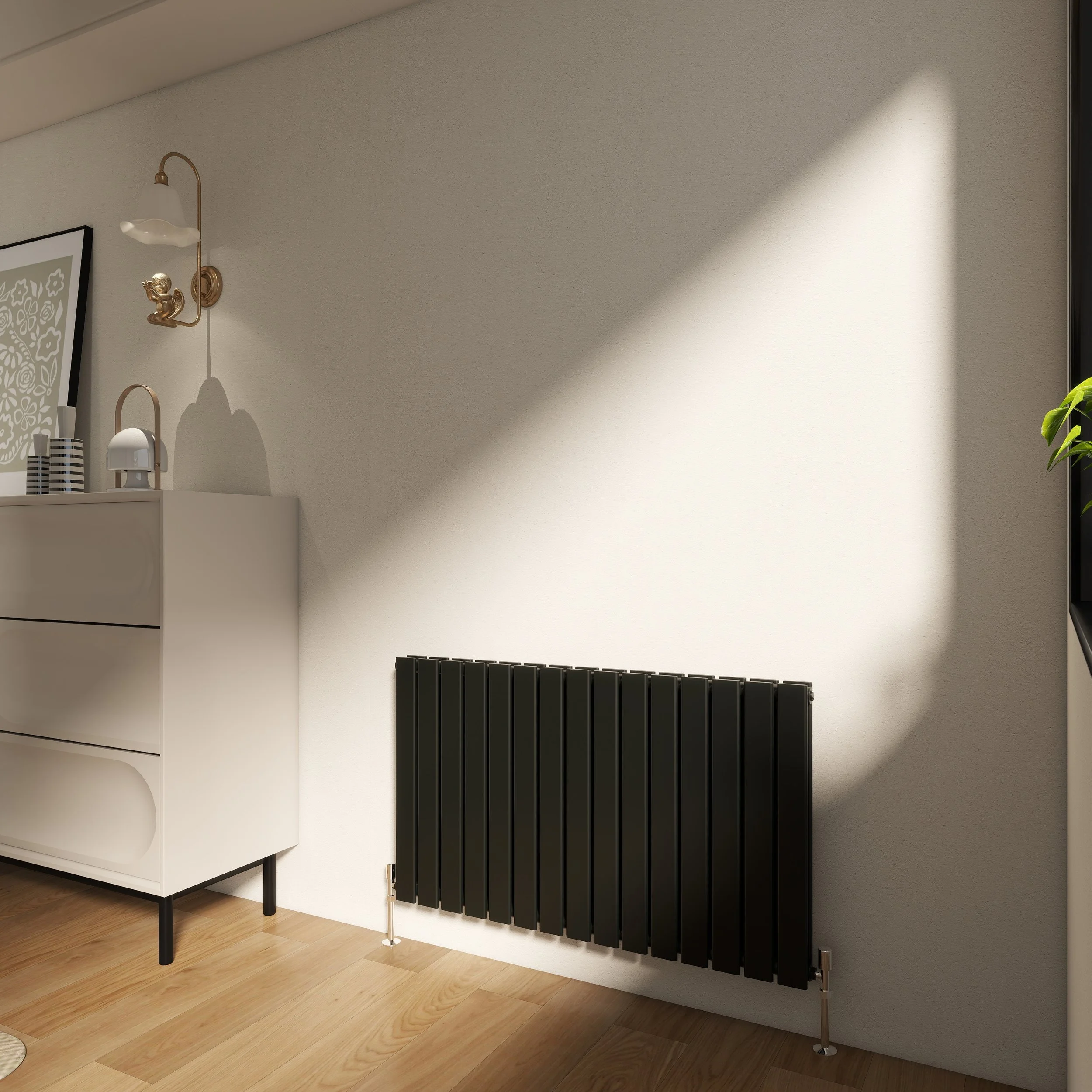
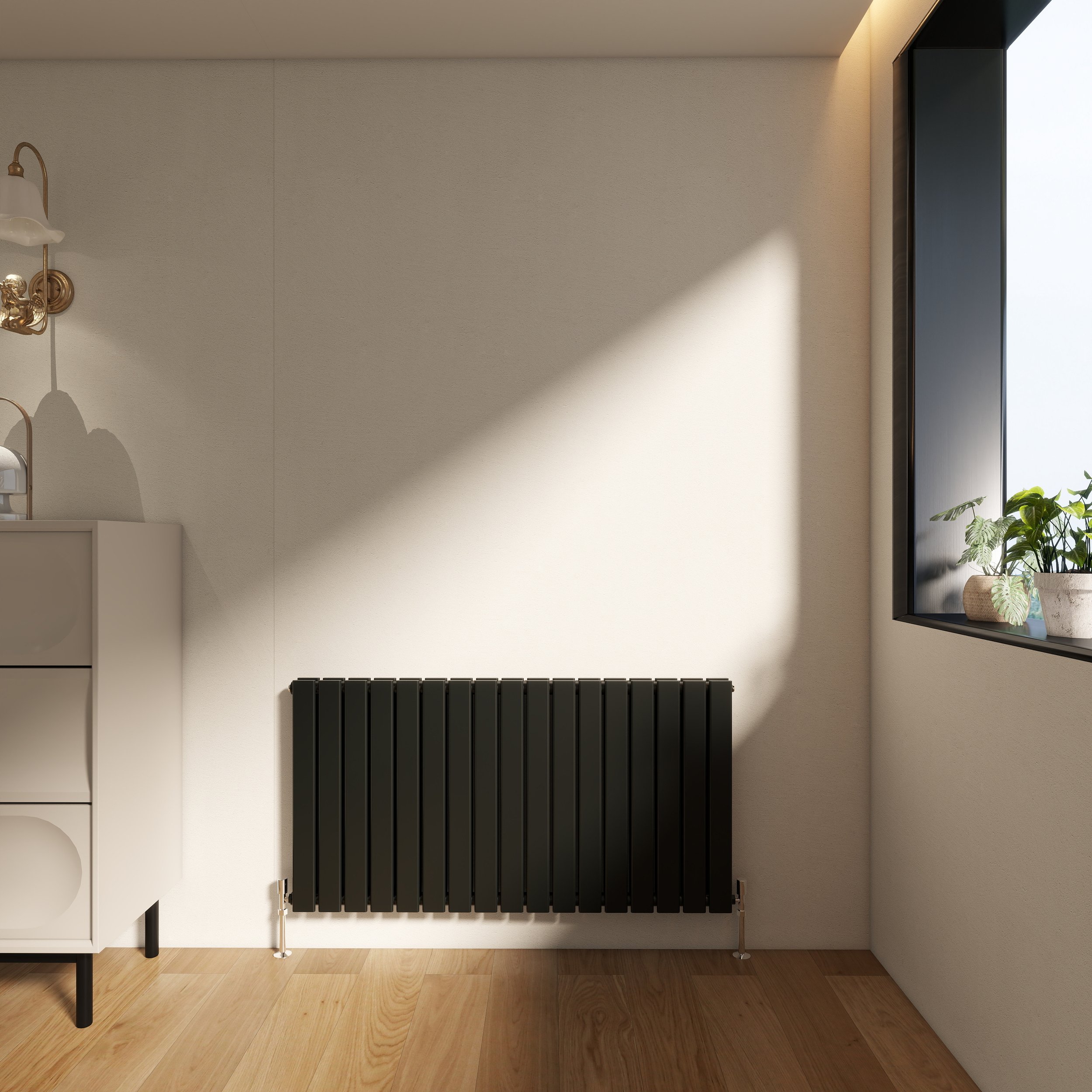
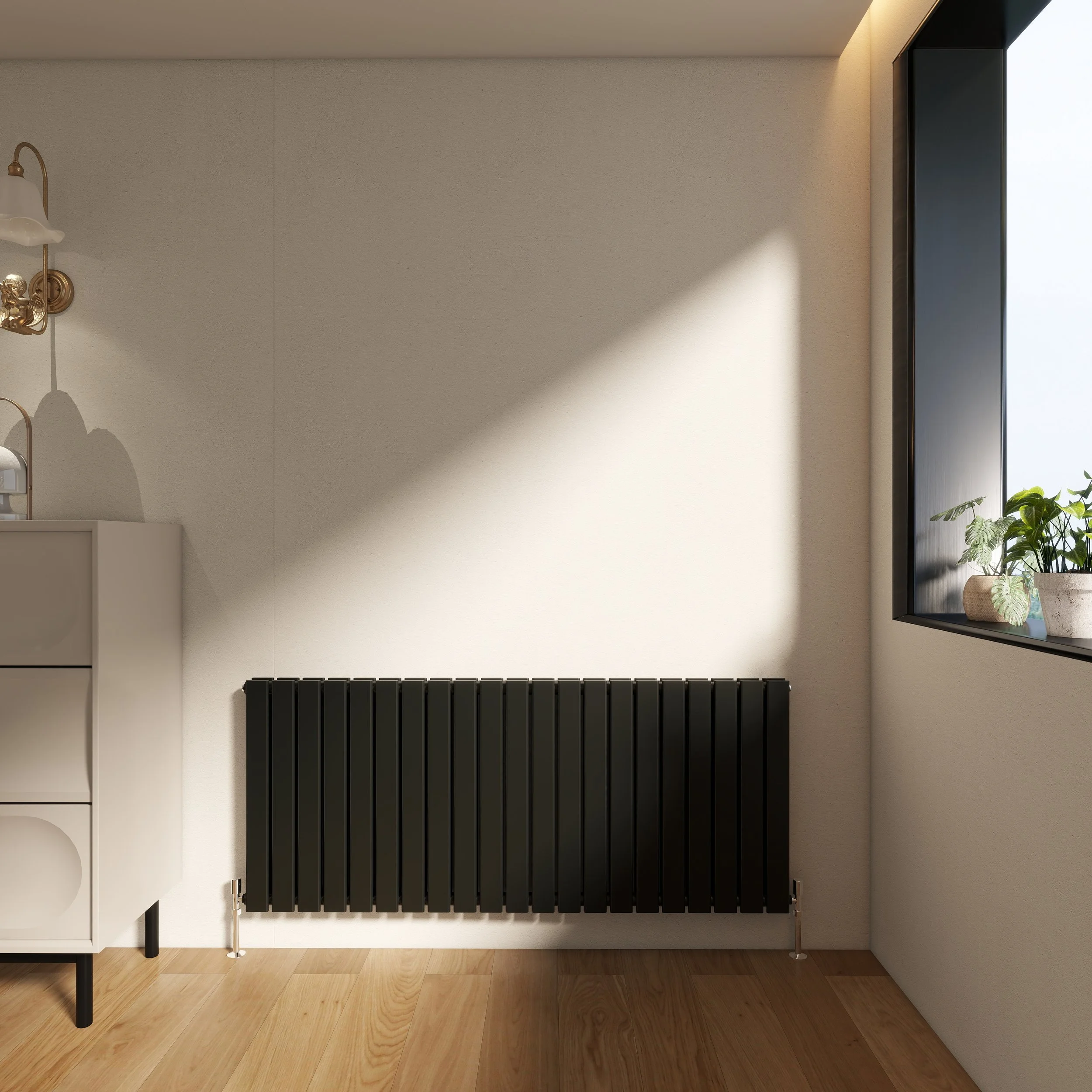
Horizontal Flat Panel Radiators
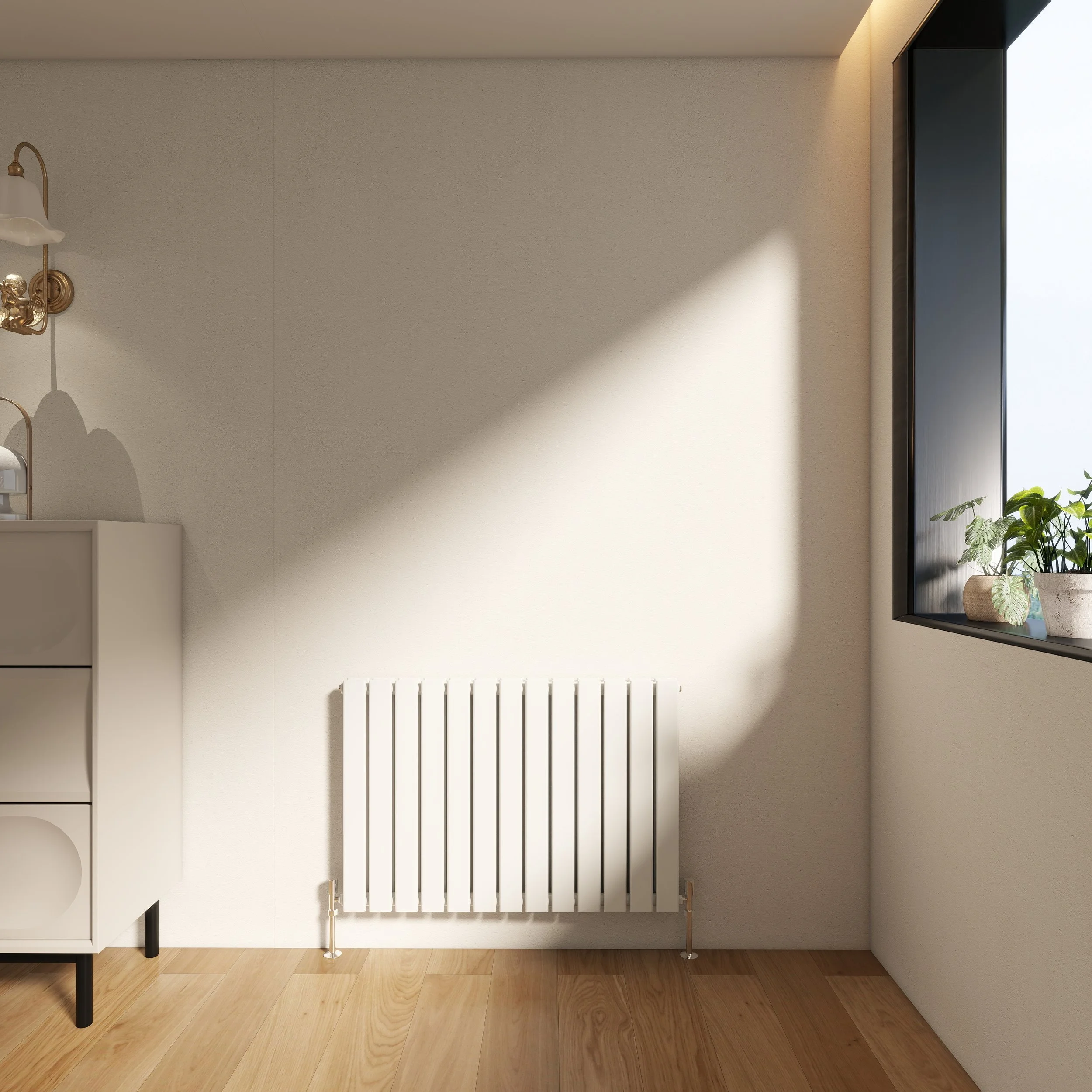
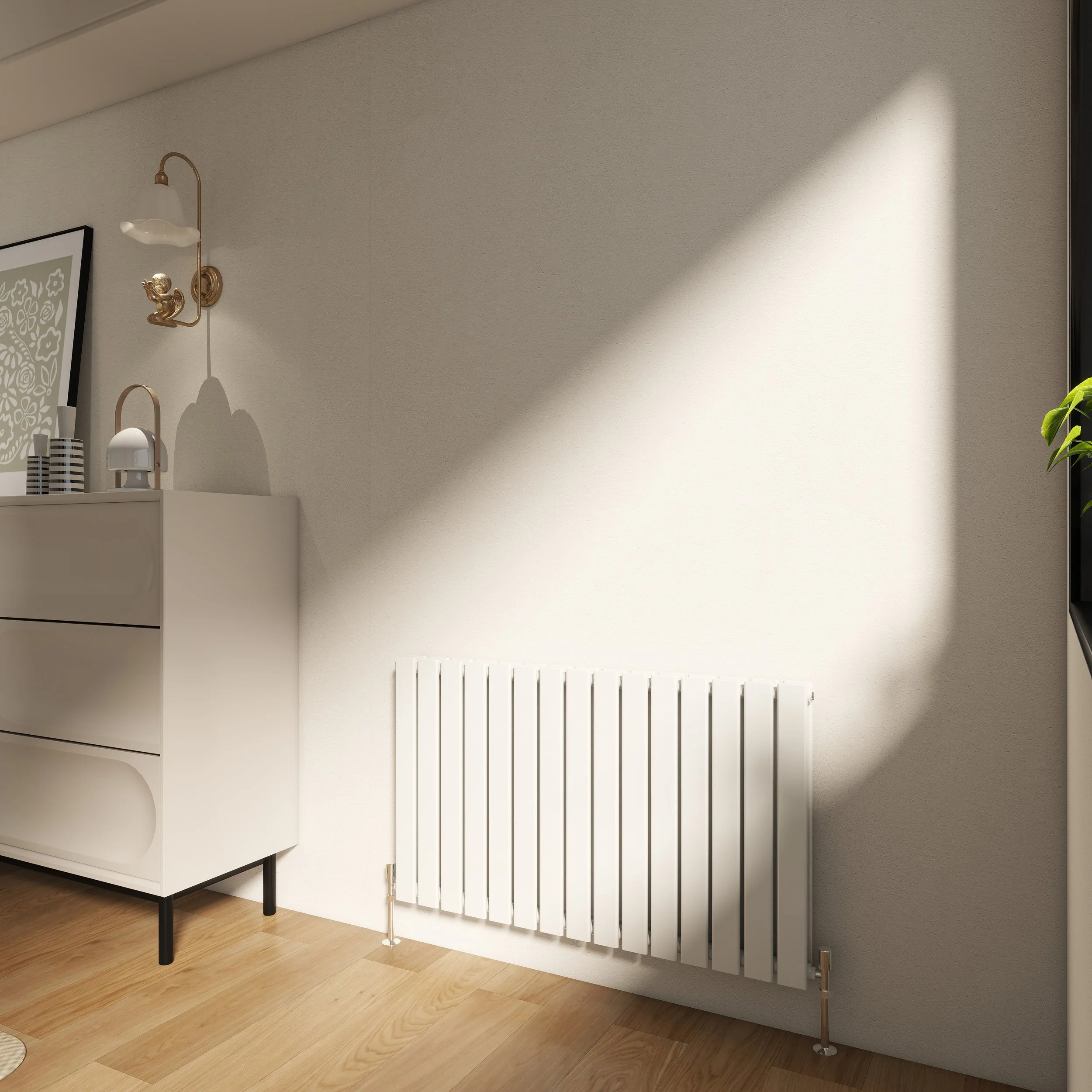
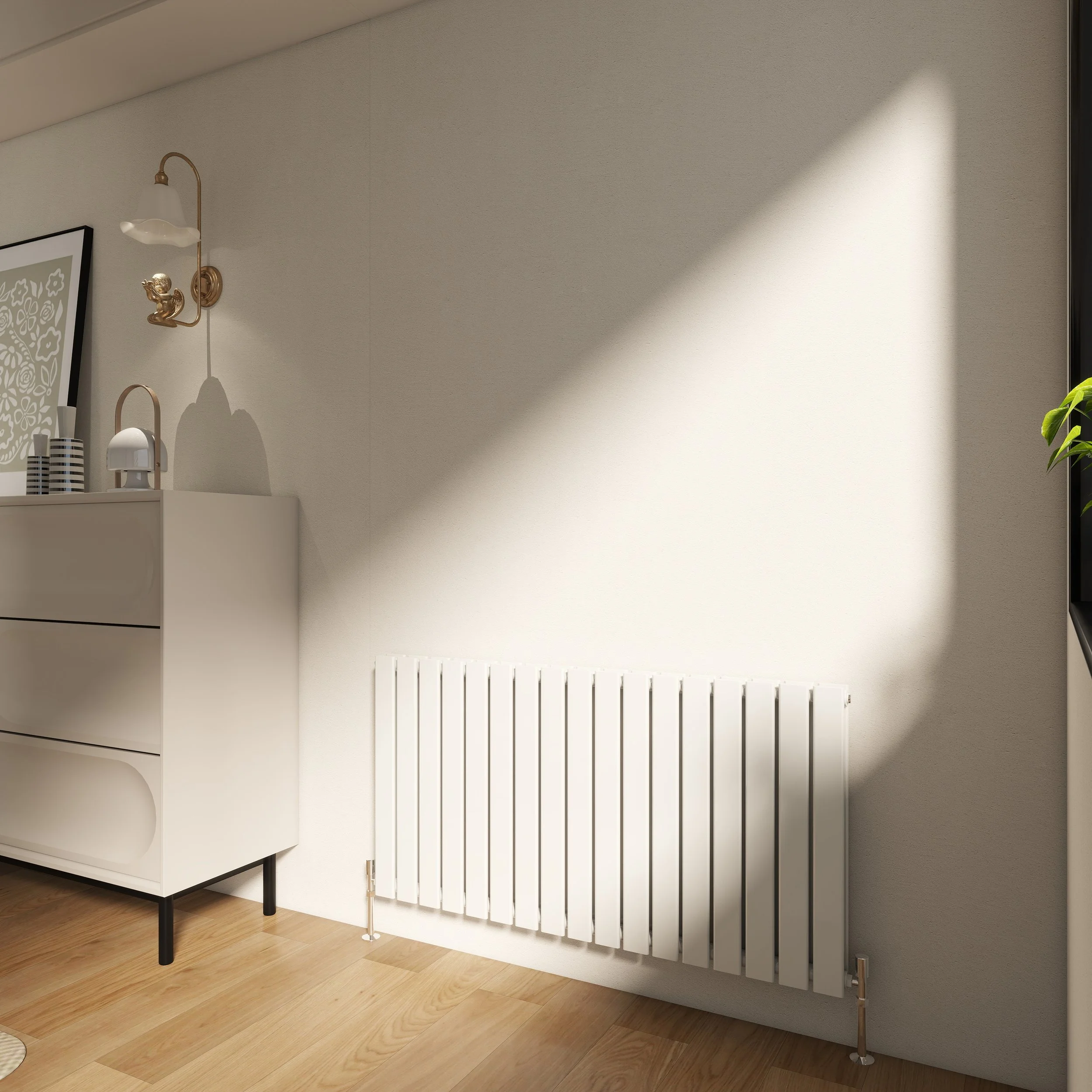
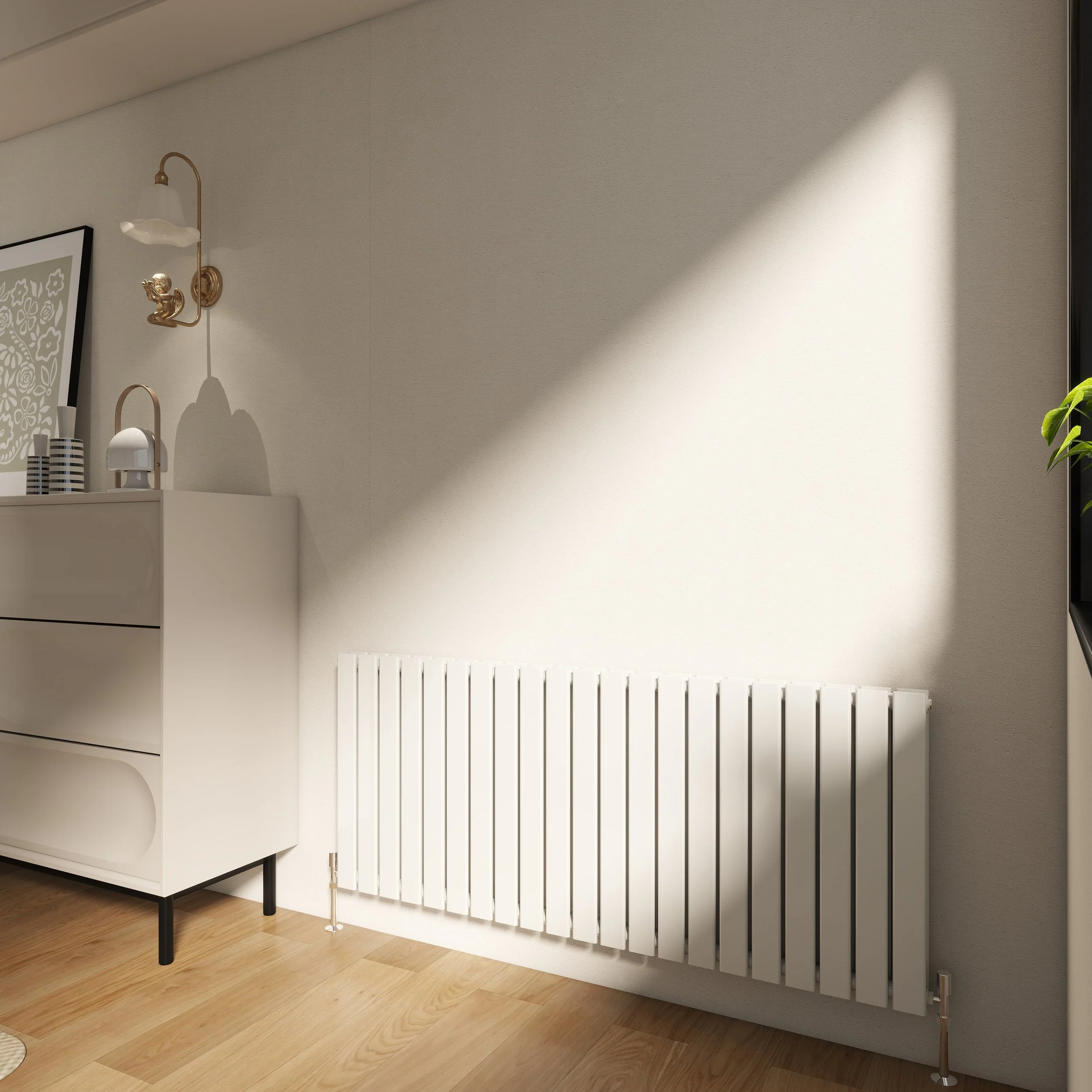
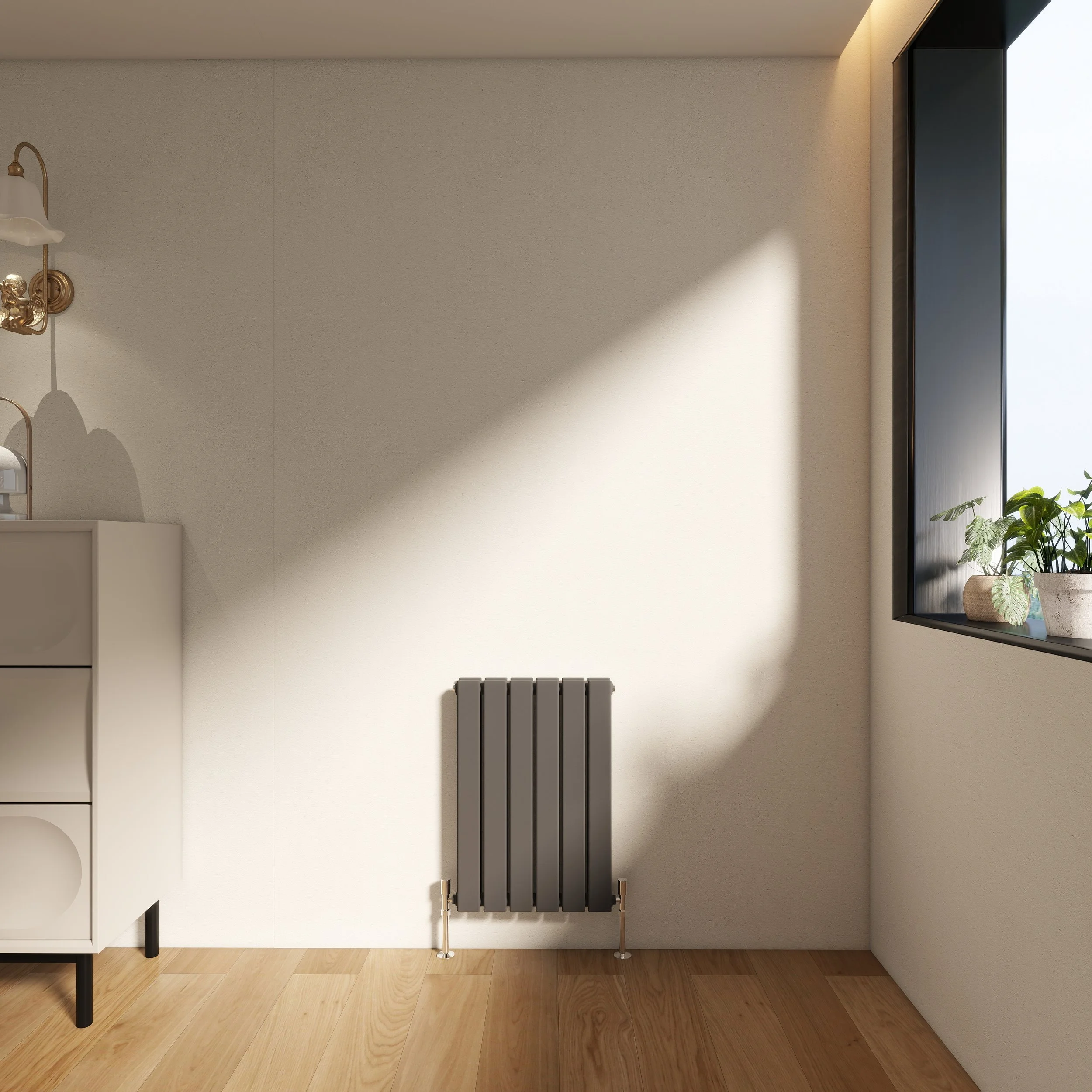
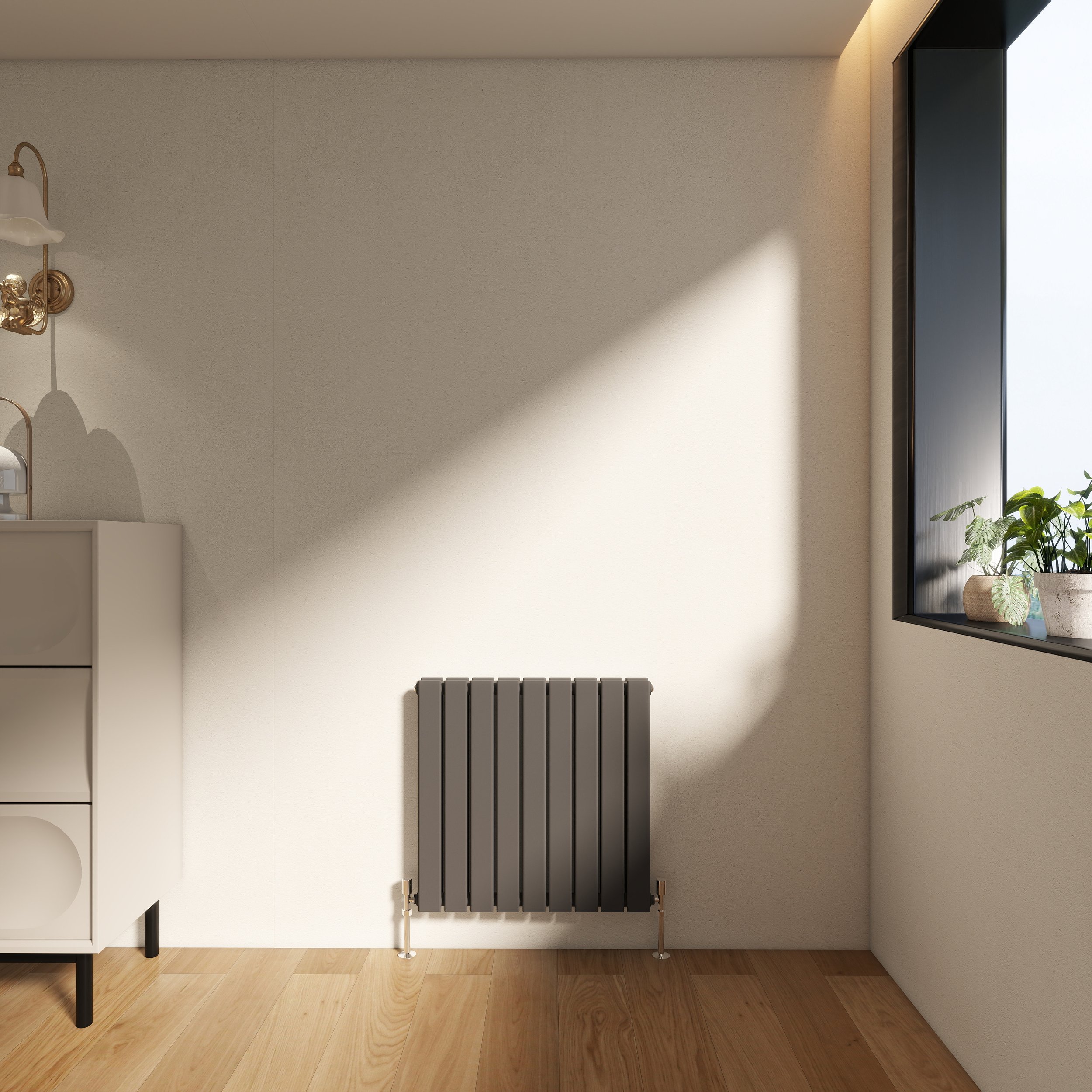
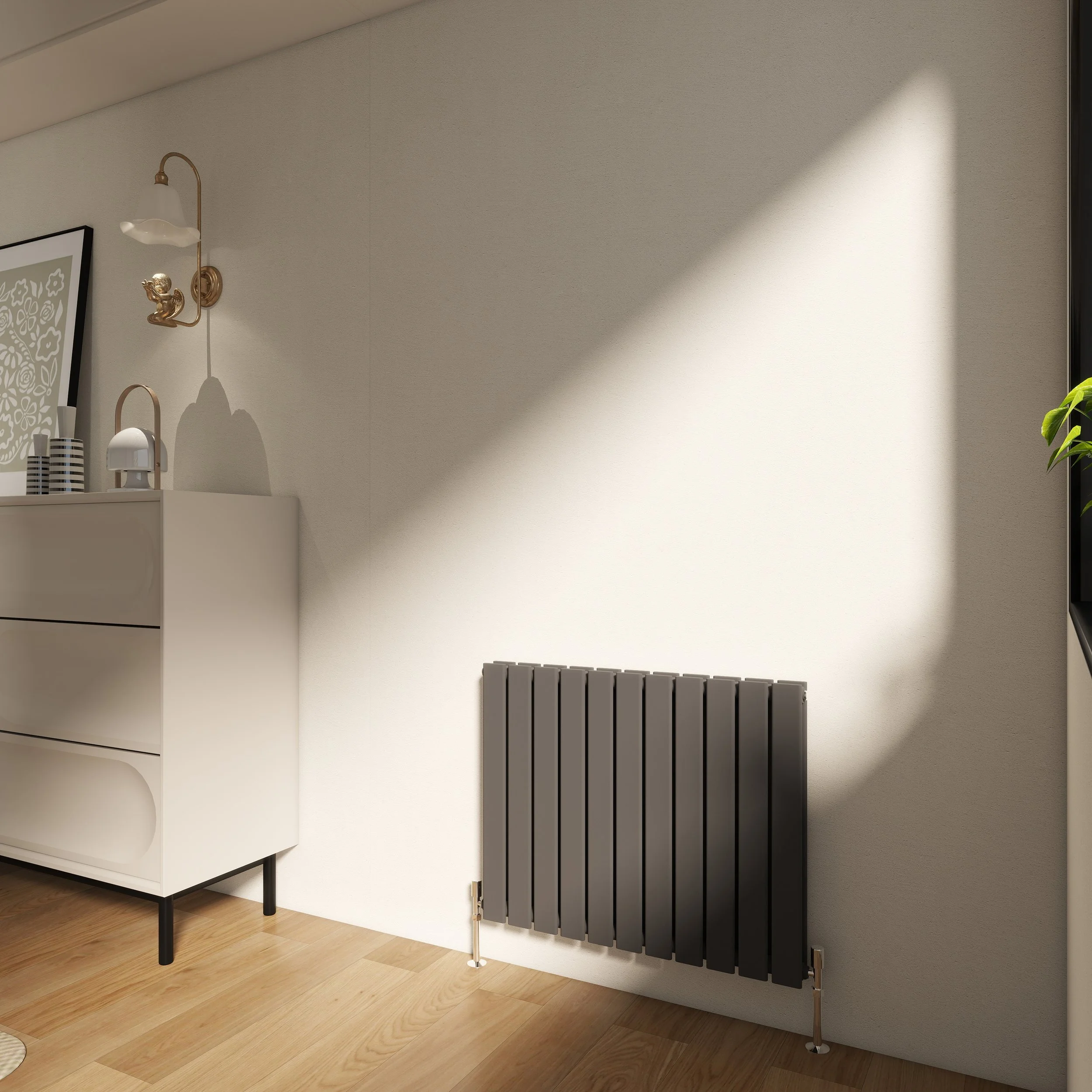
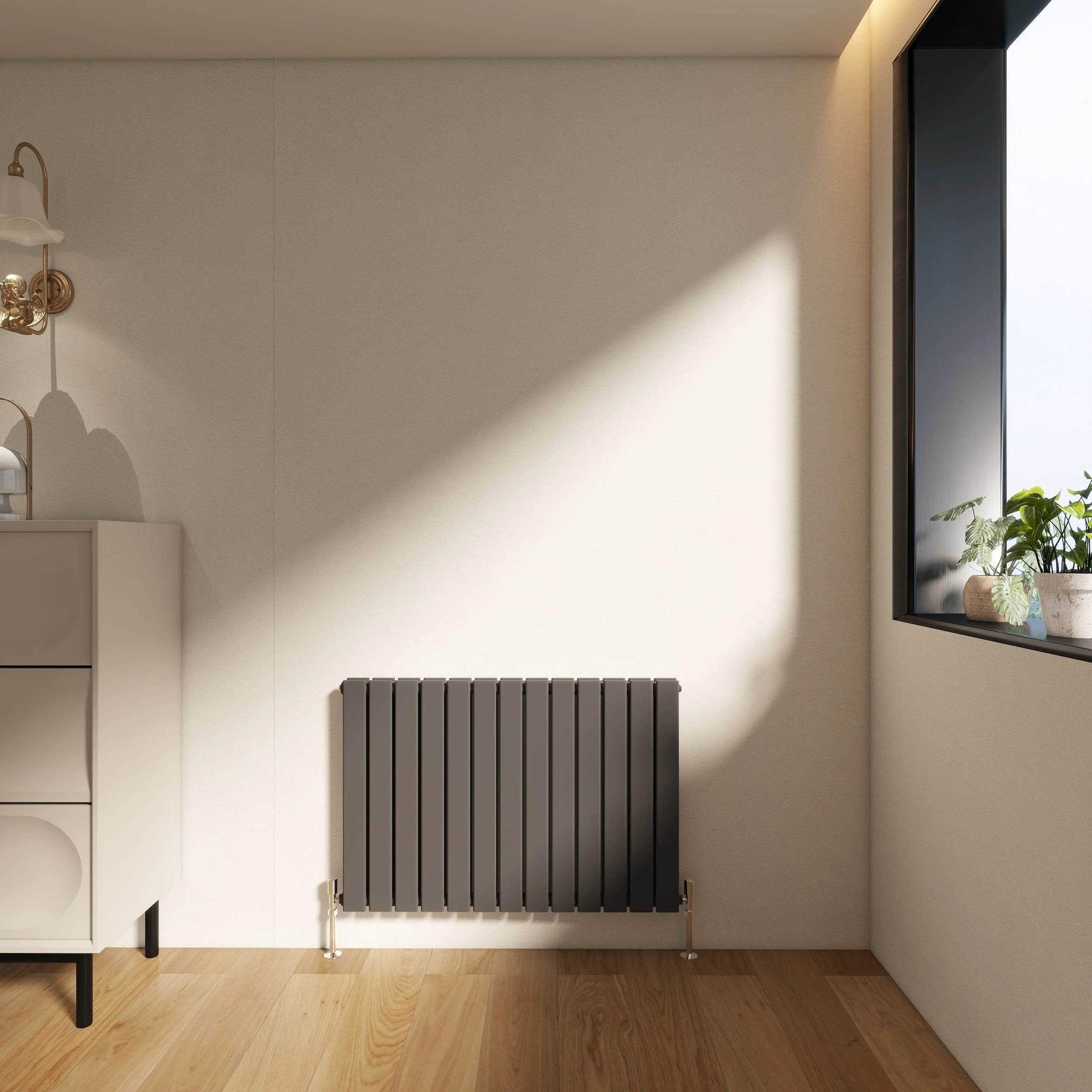
Overview Horizontal flat panel radiators are modern, low-profile heating units designed to mount on walls and provide efficient, even warmth across living spaces. They combine a sleek, minimalist aesthetic with effective heat output, making them a popular choice for contemporary homes, apartments, and renovated spaces where both design and performance matter.
Design and construction
Panel type: These radiators feature one or more flat convector panels (single, double) that increase surface area for heat transfer while maintaining a slim profile.
Materials: Steel panels offer durability and good thermal mass; aluminum heats up and cools down faster, responding quickly to thermostat changes.
Finish: Powder-coated finishes in white and other colors provide a clean look and corrosion resistance.
Dimensions and orientation: Sized horizontally to fit beneath windows or along long walls.
Performance
Heat output: Measured in British Thermal Units (BTU) or watts; output varies by panel count, material, height, and length. Double and triple panel models provide higher output in compact footprints.
Heat distribution: Horizontal placement encourages even convection currents, warming the air across the room from a low, wide source.
Efficiency: Modern flat panel radiators are efficient when paired with proper system controls (thermostatic radiator valves, programmable room thermostats). Aluminum models are well-suited to systems with frequent on/off cycles or lower-temperature heat sources.
Compatibility: Work with conventional hot-water central heating systems, including boilers and heat pumps. For low-temperature heat pumps, opt for larger surface area or models specifically rated for lower flow temperatures.
Installation and placement
Mounting: Wall-mounted with brackets; include pipe connection options for left-, right-, or center-feed plumbing. Ensure solid wall fixings and adherence to local building codes.
Typical placement: Under windows to counteract cold downdrafts, along exterior walls, or in living spaces where unobstructed frontal area is feasible.
Clearance: Keep furniture and curtains off the front surface for unobstructed convective flow. Maintain recommended clearances from floors and surrounding objects as per manufacturer instructions.
Maintenance: Occasional dusting of front surfaces and periodic bleeding of the system to remove trapped air. Steel radiators may require touch-up paint if scratched; aluminum generally needs less maintenance.
Choosing the right model
Room sizing: Calculate required heat output (BTU or watts) using room volume, insulation levels, window area, and desired temperature. Consult manufacturer output charts at specified flow and return temperatures.
Panel selection: Choose single panel for mild heating needs or well-insulated rooms; double/triple panels for higher output in the same footprint.
Material choice: Select steel for durability and slightly higher mass; choose aluminum for rapid temperature response and lighter weight.
Controls: Fit thermostatic radiator valves (TRVs) for room-level control and integrate with smart or programmable thermostats for system efficiency.
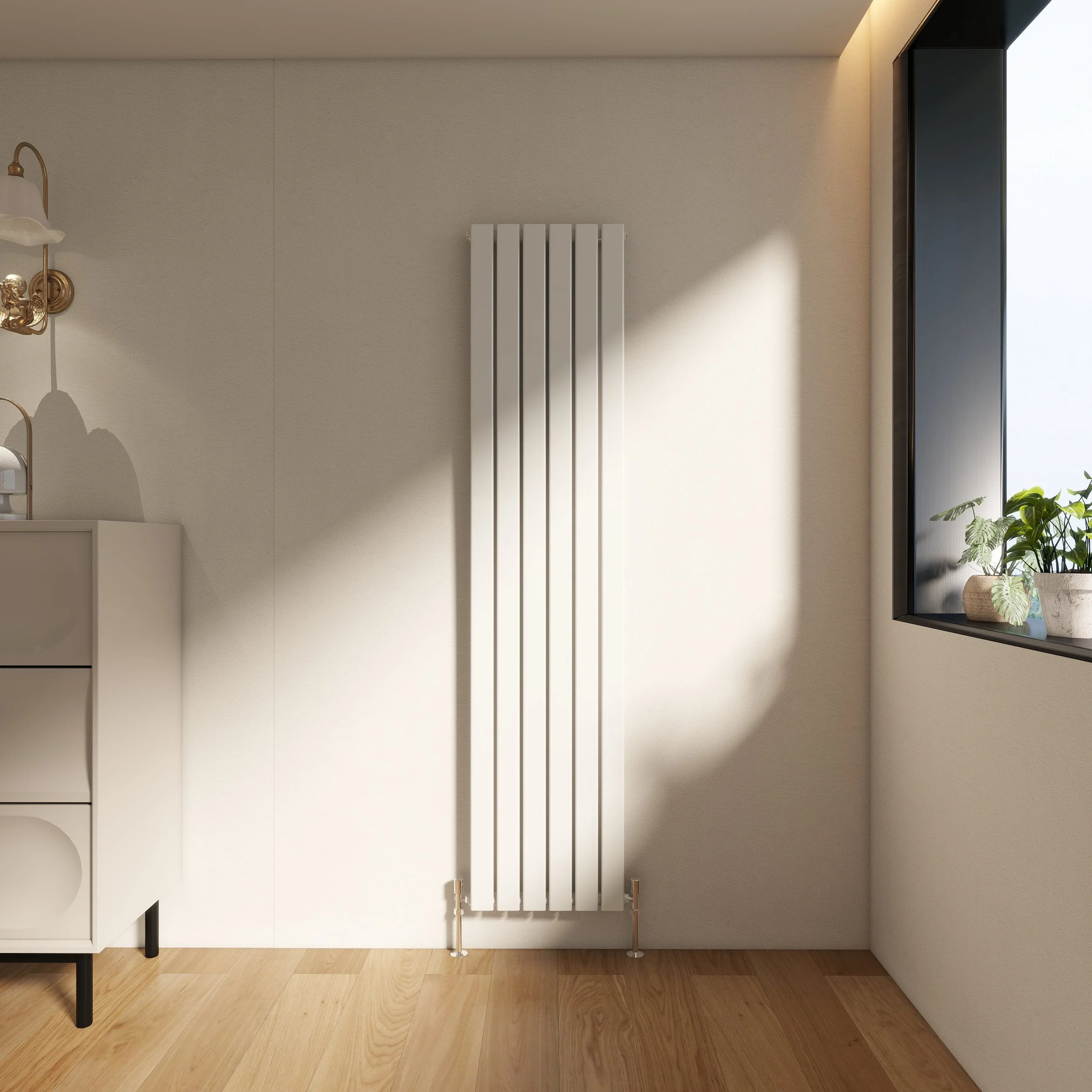
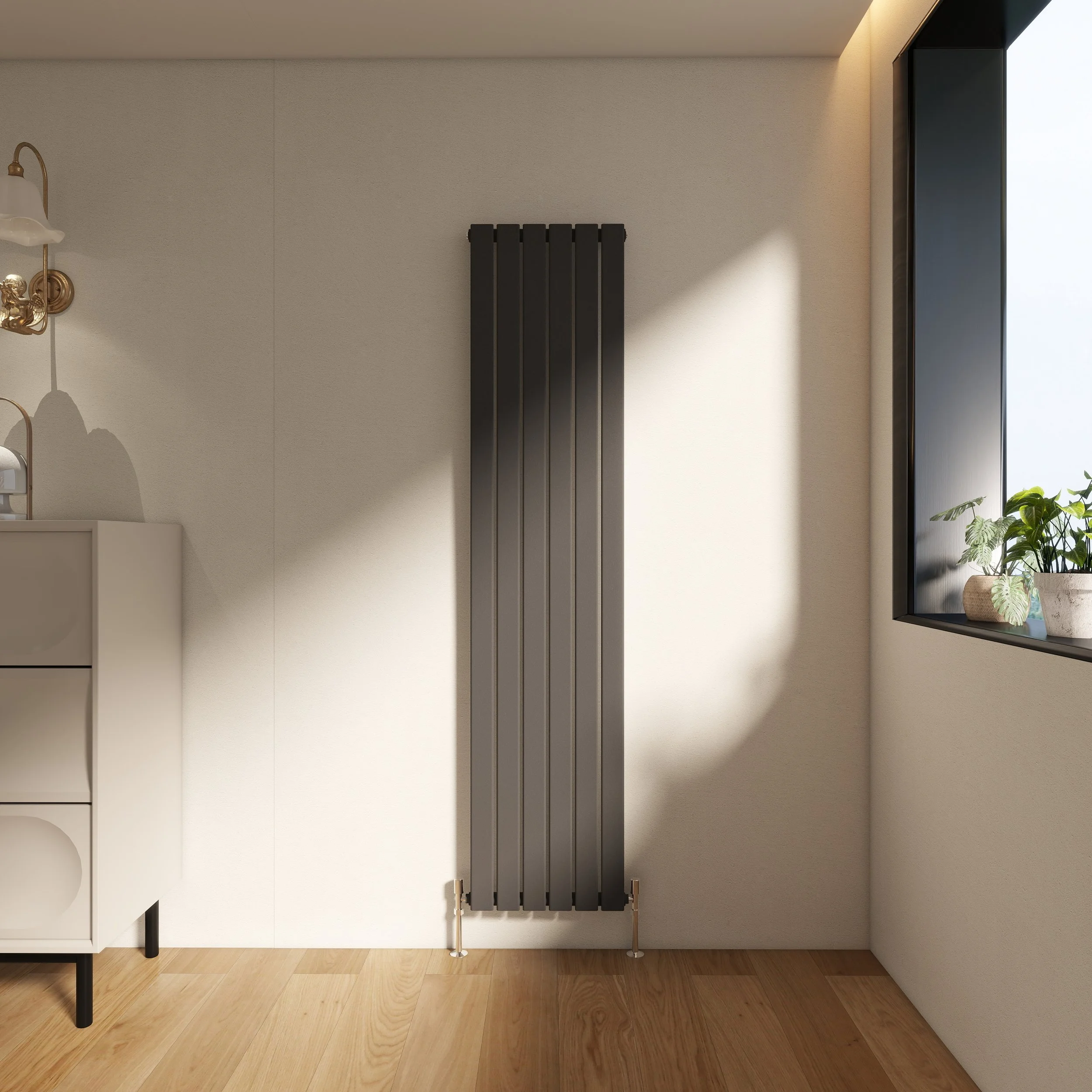
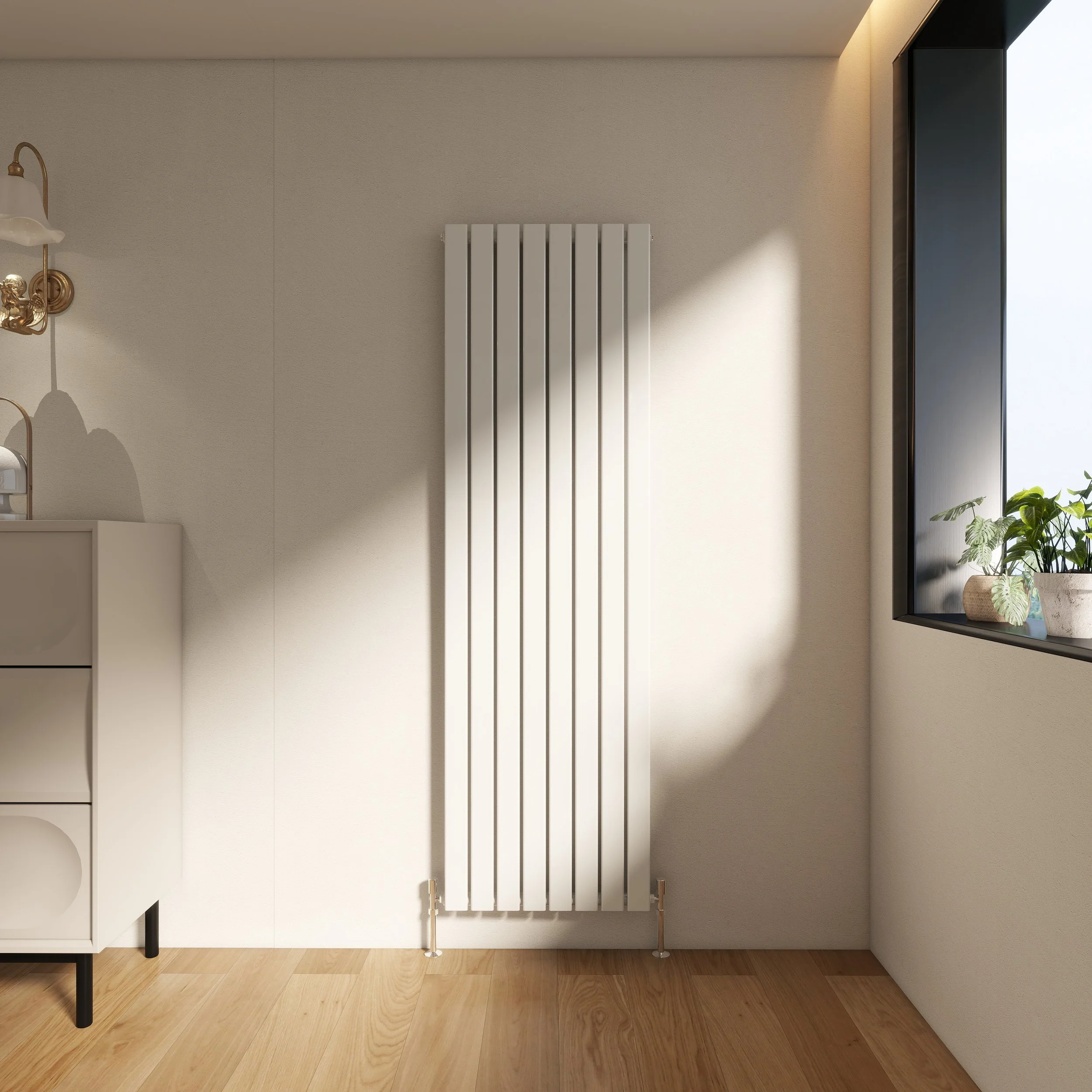
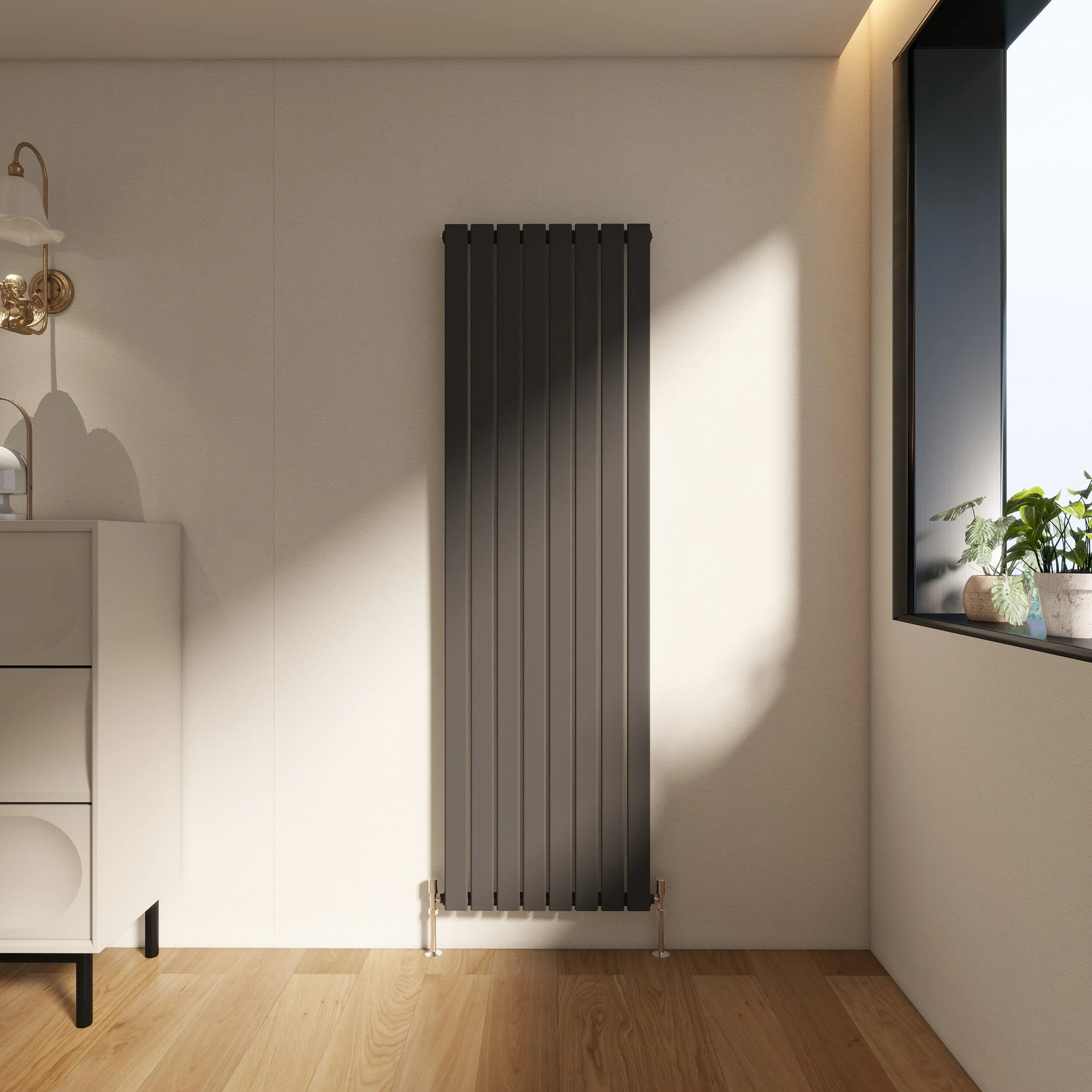
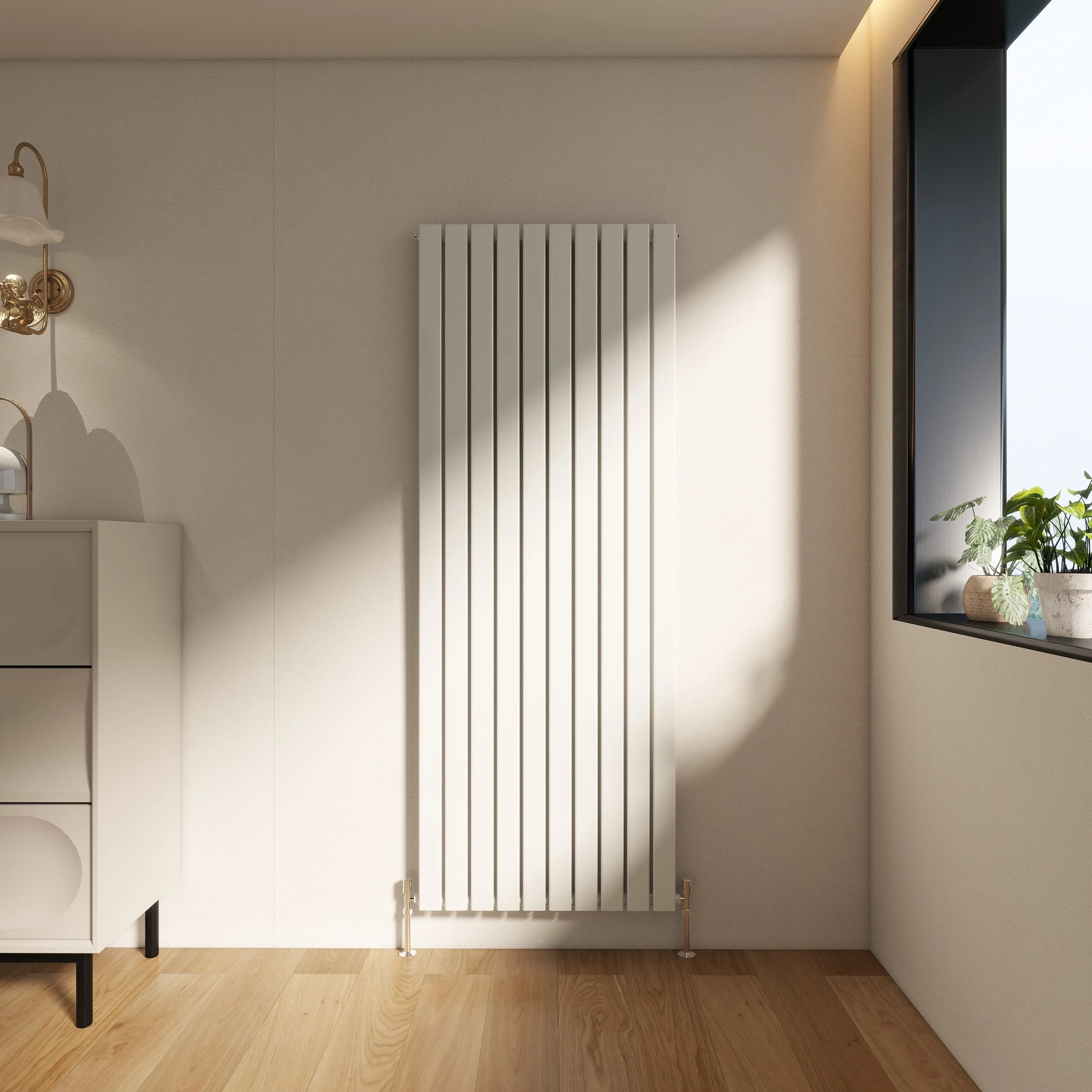
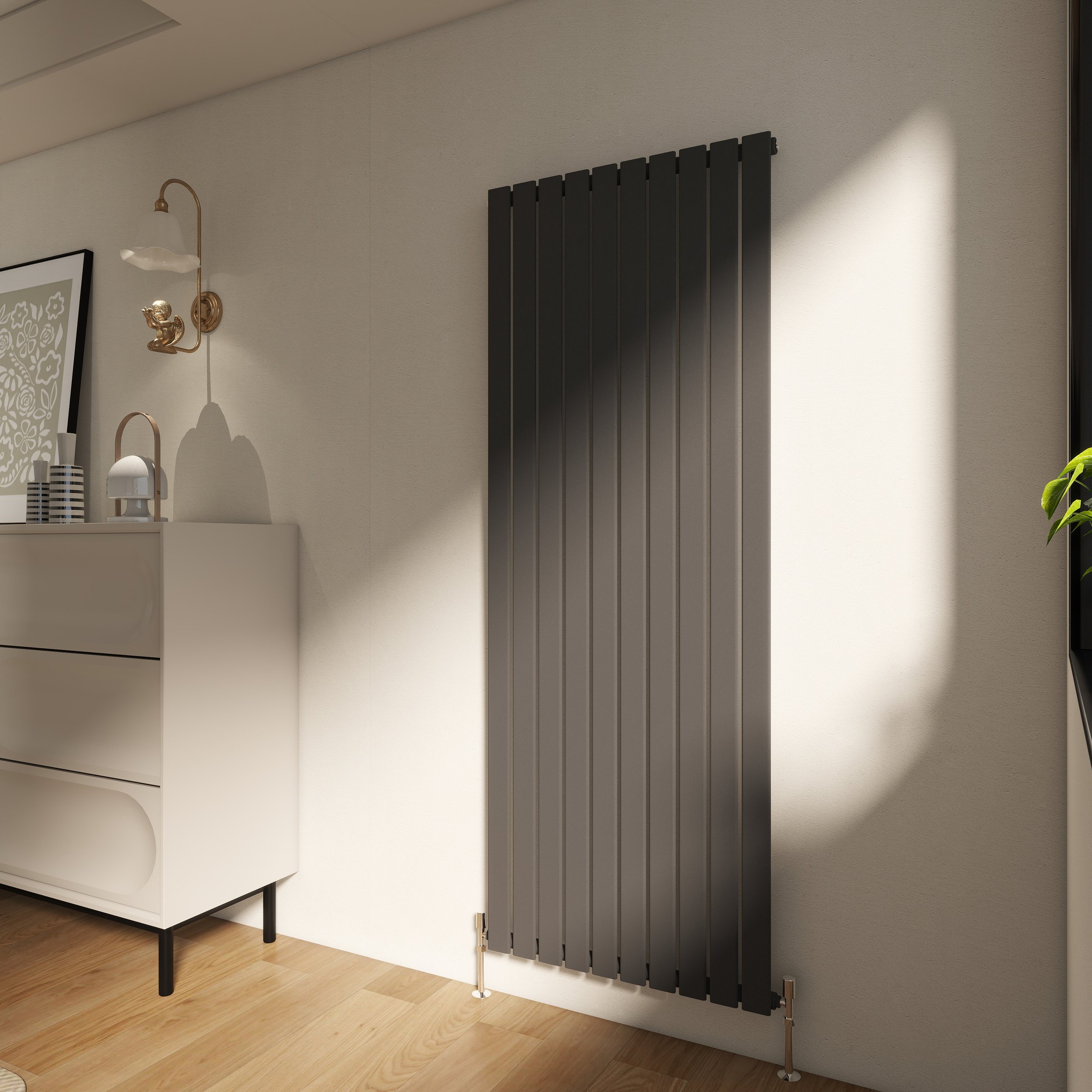
MODERN DESIGN & STYLISH FINISH - This flat panel designer radiator boasts a sleek, contemporary profile that enhances any room. Perfect for the living room, bedroom, or office, its tall, upright column design makes a stunning visual statement while providing efficient central heating. It's absolutely your top choice for holiday gifts and housewarming presents.
DURABLE CONSTRUCTION FOR LONG-LASTING PERFORMANCE - Built from high-quality materials, this radiator is engineered to resist corrosion and scratches. Unlike inferior models, our robust construction ensures reliable heat output year after year, making it a perfect, efficient solution for your home.
OPTIMAL HEAT OUTPUT & DIMENSIONS - Designed for maximum efficiency, this tall radiator delivers powerful warmth to comfortably heat your space. Its generous dimensions and optimized surface area provide exceptional BTU output, ensuring your bathroom or living room stays cozy.
EASY INSTALLATION & UNIVERSAL COMPATIBILITY - This central heating radiator is compatible with all standard domestic systems. Installation is straightforward, making these rads a perfect upgrade for your existing central heating setup.Valves and stand are NOT INCLUDED, can be bought separately.
PEACE OF MIND WITH GUARANTEE - We stand behind the quality of our flat panel radiators. They are manufactured to high standards and come with a comprehensive guarantee, ensuring your investment in these modern rads is protected. Our flat panel radiator provide 15 Year Warranty.