Horizontal Flat Panel Radiators
Overview Horizontal flat panel radiators are modern, low-profile heating units designed to mount on walls and provide efficient, even warmth across living spaces. They combine a sleek, minimalist aesthetic with effective heat output, making them a popular choice for contemporary homes, apartments, and renovated spaces where both design and performance matter.
Design and construction
Panel type: These radiators feature one or more flat convector panels (single, double) that increase surface area for heat transfer while maintaining a slim profile.
Materials: Steel panels offer durability and good thermal mass; aluminum heats up and cools down faster, responding quickly to thermostat changes.
Finish: Powder-coated finishes in white and other colors provide a clean look and corrosion resistance.
Dimensions and orientation: Sized horizontally to fit beneath windows or along long walls.
Performance
Heat output: Measured in British Thermal Units (BTU) or watts; output varies by panel count, material, height, and length. Double and triple panel models provide higher output in compact footprints.
Heat distribution: Horizontal placement encourages even convection currents, warming the air across the room from a low, wide source.
Efficiency: Modern flat panel radiators are efficient when paired with proper system controls (thermostatic radiator valves, programmable room thermostats). Aluminum models are well-suited to systems with frequent on/off cycles or lower-temperature heat sources.
Compatibility: Work with conventional hot-water central heating systems, including boilers and heat pumps. For low-temperature heat pumps, opt for larger surface area or models specifically rated for lower flow temperatures.
Installation and placement
Mounting: Wall-mounted with brackets; include pipe connection options for left-, right-, or center-feed plumbing. Ensure solid wall fixings and adherence to local building codes.
Typical placement: Under windows to counteract cold downdrafts, along exterior walls, or in living spaces where unobstructed frontal area is feasible.
Clearance: Keep furniture and curtains off the front surface for unobstructed convective flow. Maintain recommended clearances from floors and surrounding objects as per manufacturer instructions.
Maintenance: Occasional dusting of front surfaces and periodic bleeding of the system to remove trapped air. Steel radiators may require touch-up paint if scratched; aluminum generally needs less maintenance.
Choosing the right model
Room sizing: Calculate required heat output (BTU or watts) using room volume, insulation levels, window area, and desired temperature. Consult manufacturer output charts at specified flow and return temperatures.
Panel selection: Choose single panel for mild heating needs or well-insulated rooms; double/triple panels for higher output in the same footprint.
Material choice: Select steel for durability and slightly higher mass; choose aluminum for rapid temperature response and lighter weight.
Controls: Fit thermostatic radiator valves (TRVs) for room-level control and integrate with smart or programmable thermostats for system efficiency.

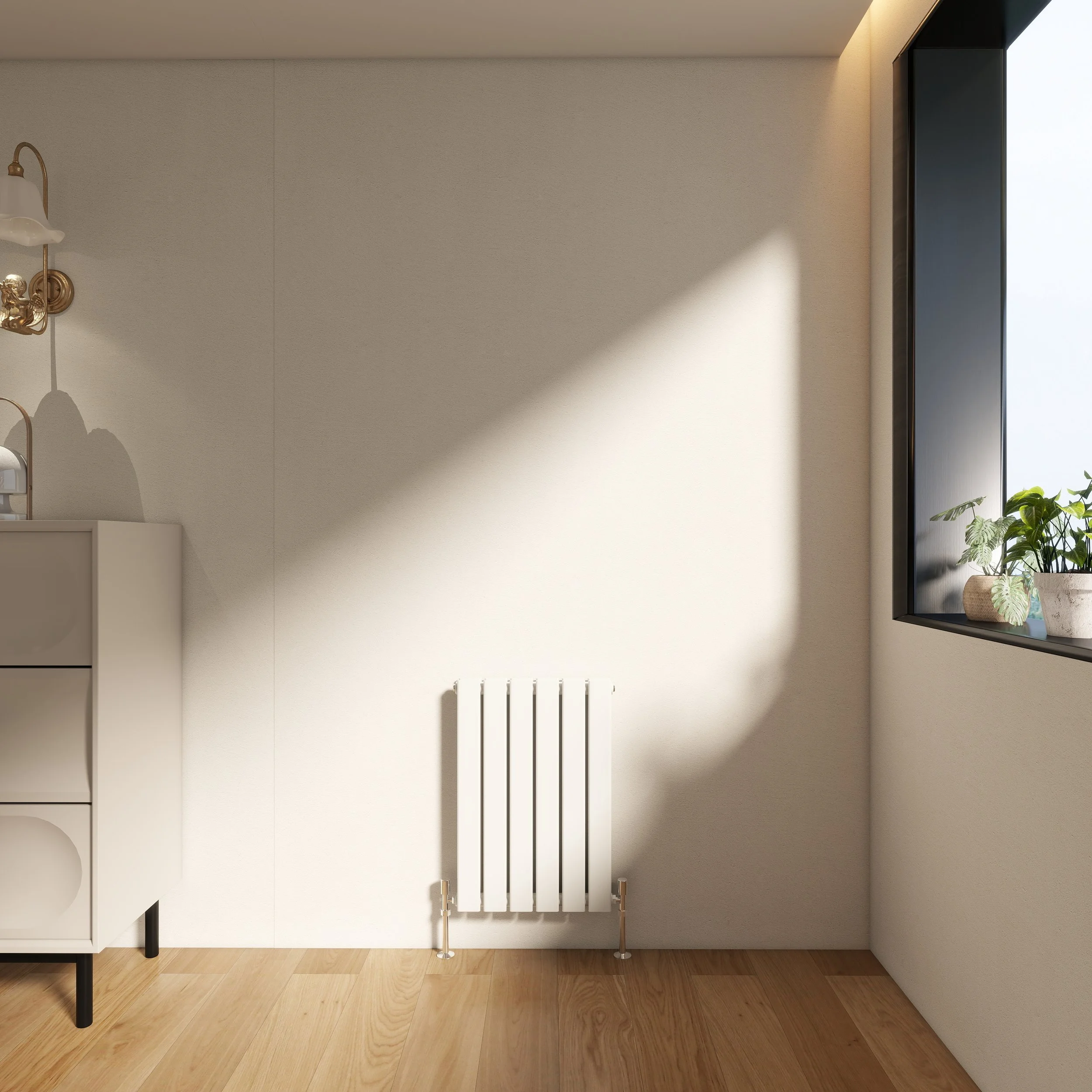 Image 1 of 42
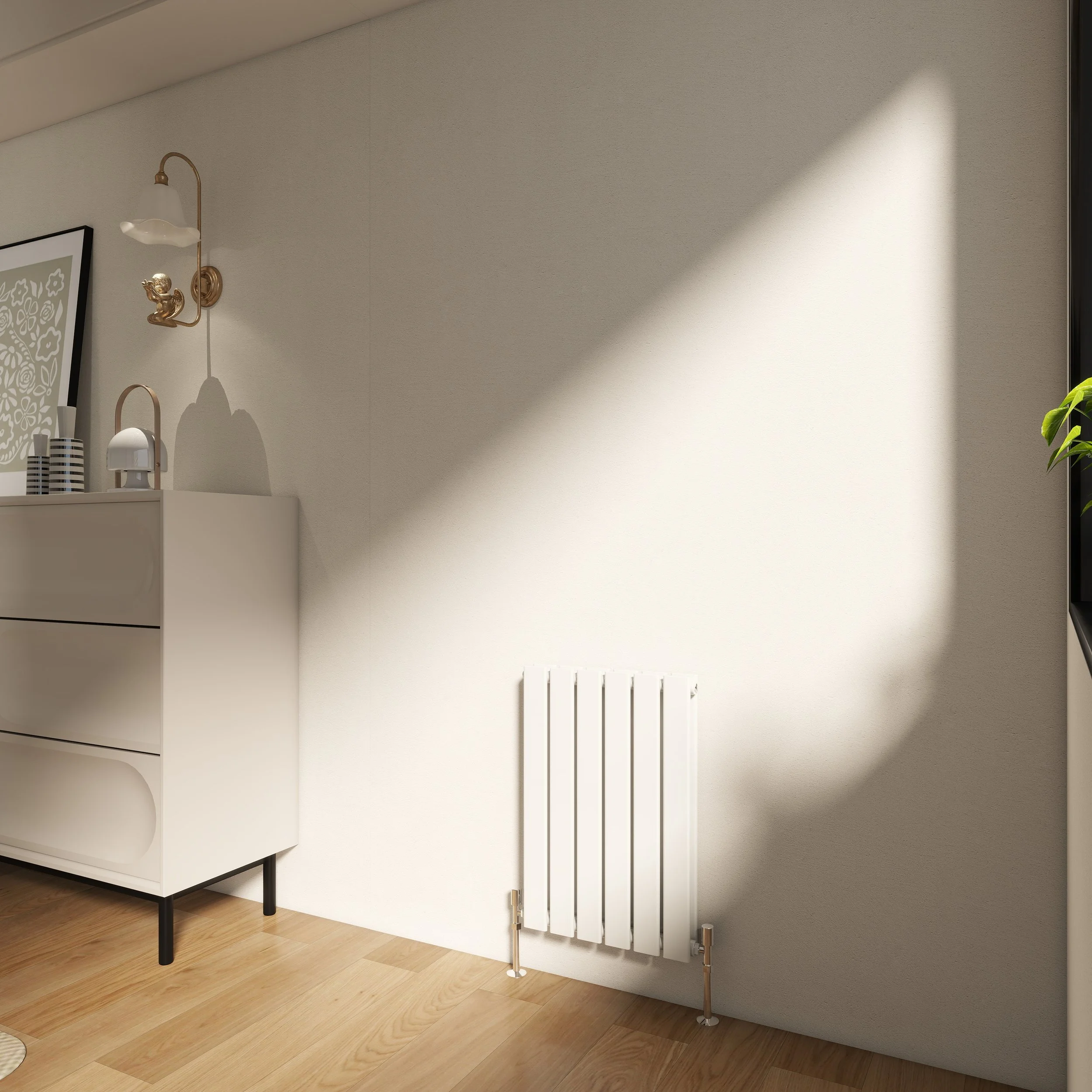 Image 2 of 42
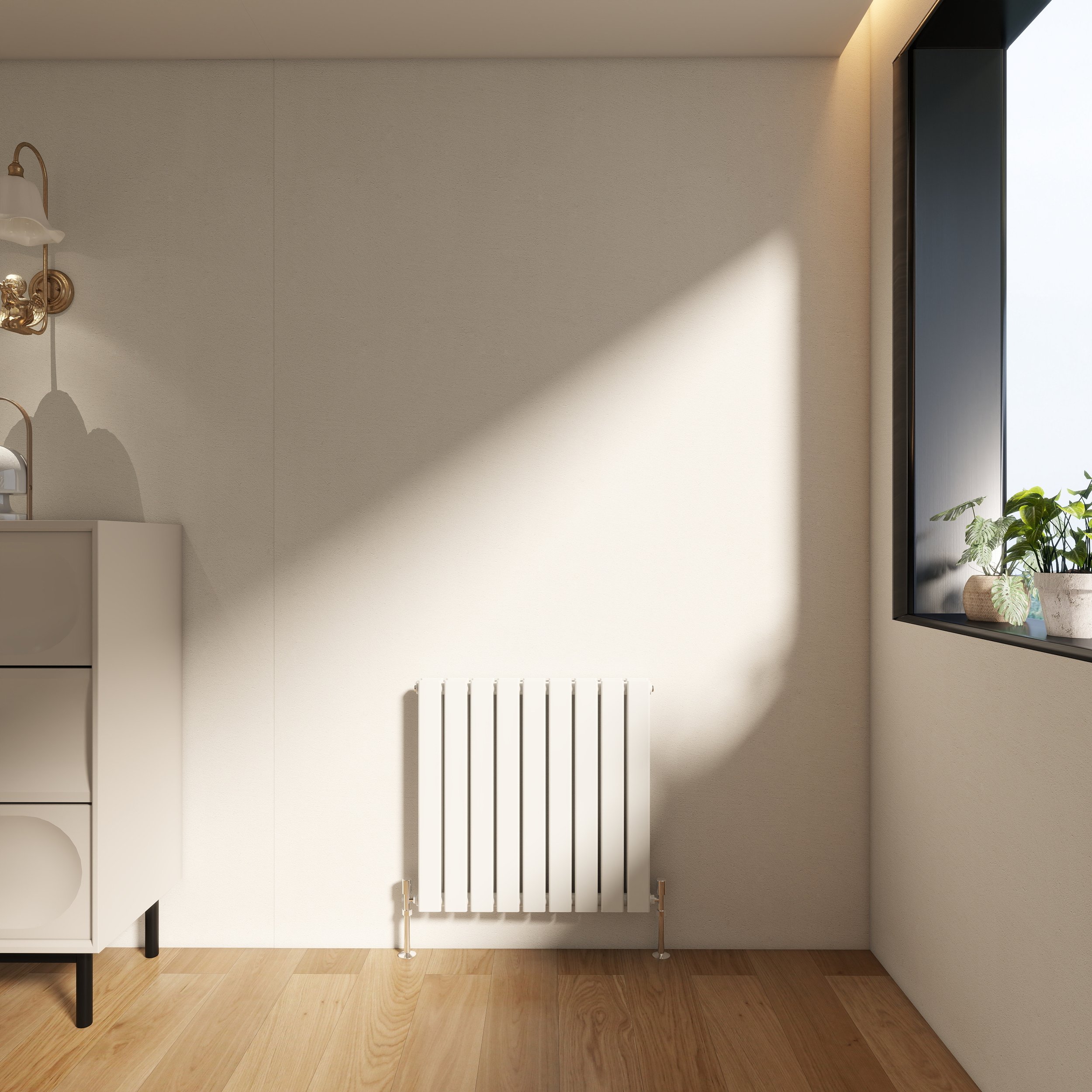 Image 3 of 42
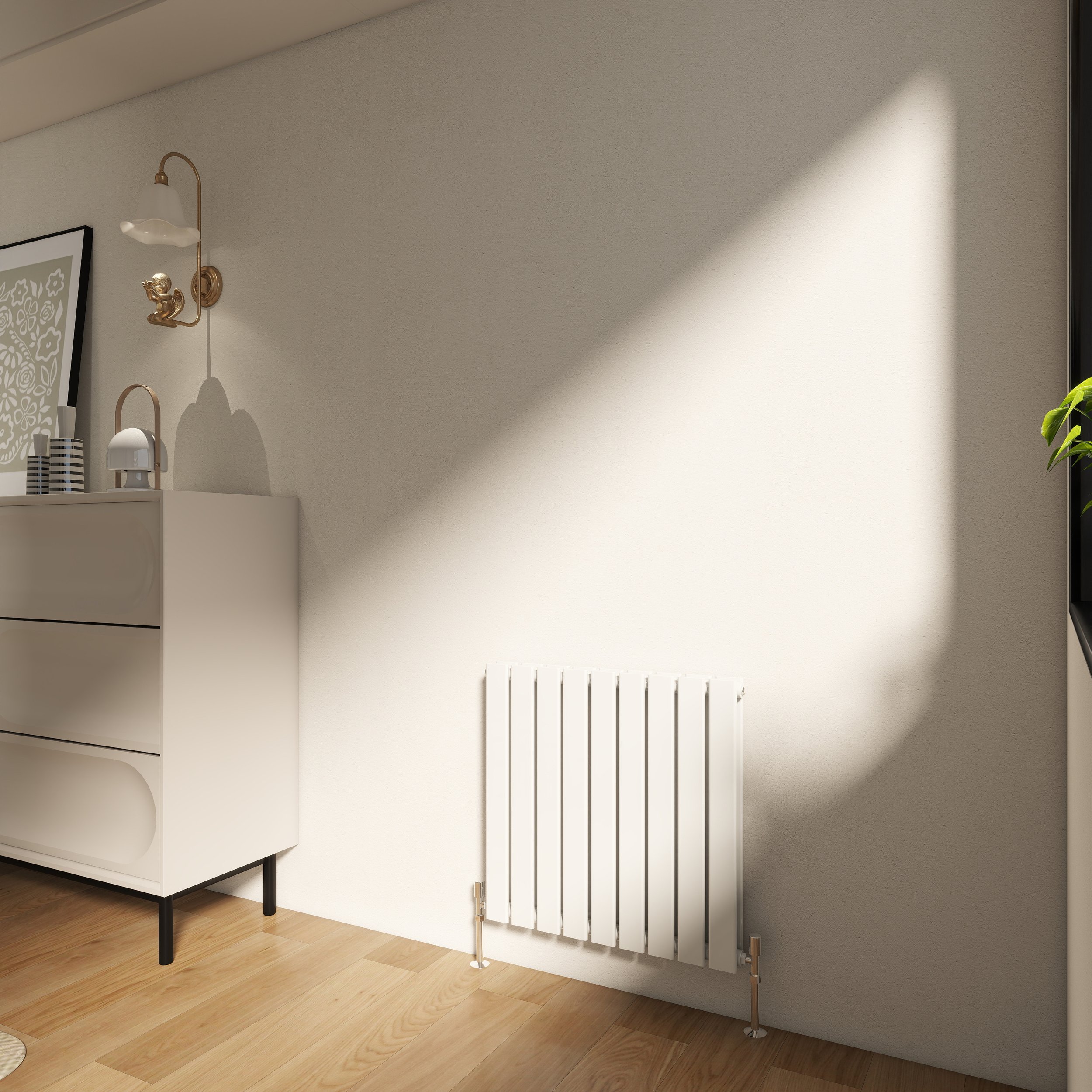 Image 4 of 42
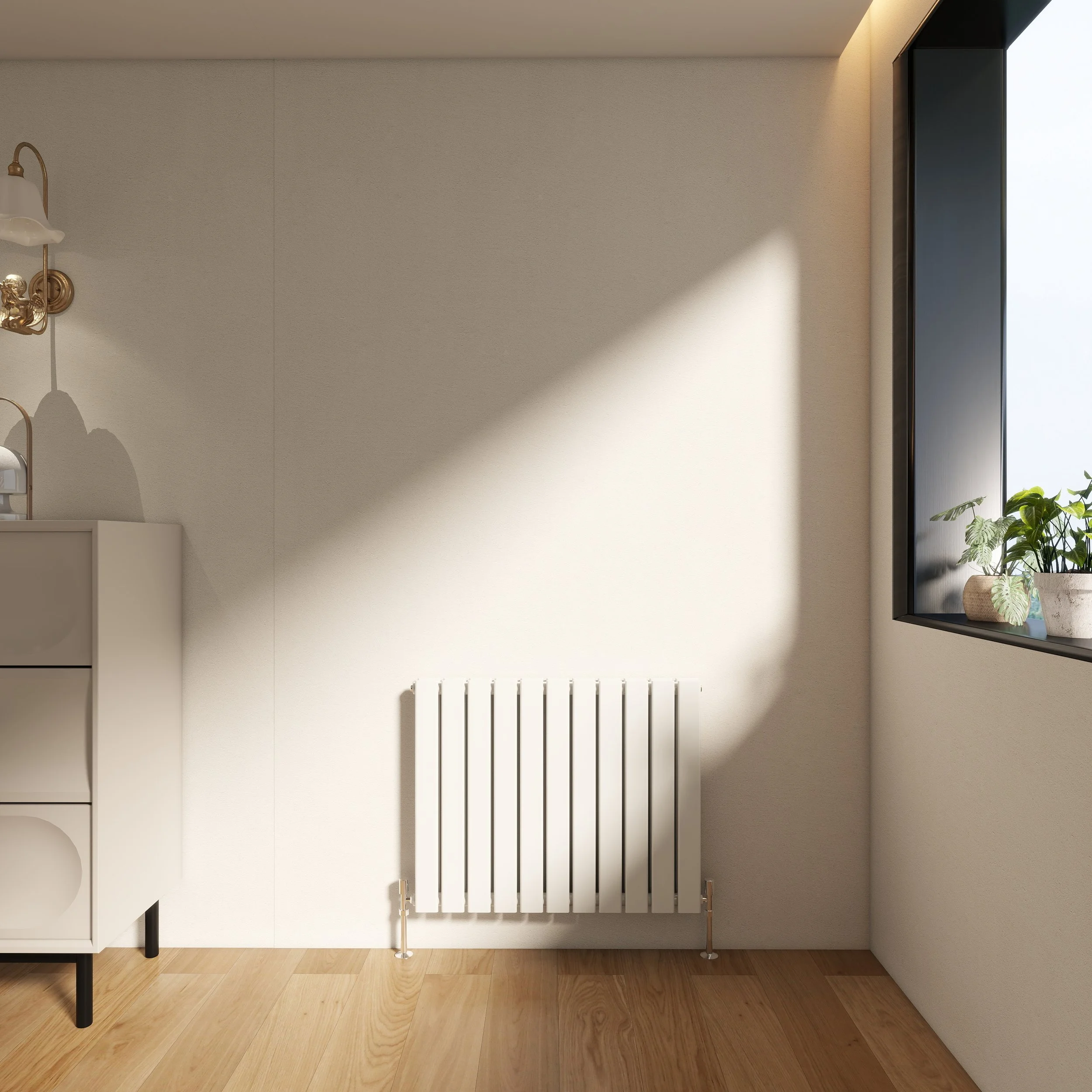 Image 5 of 42
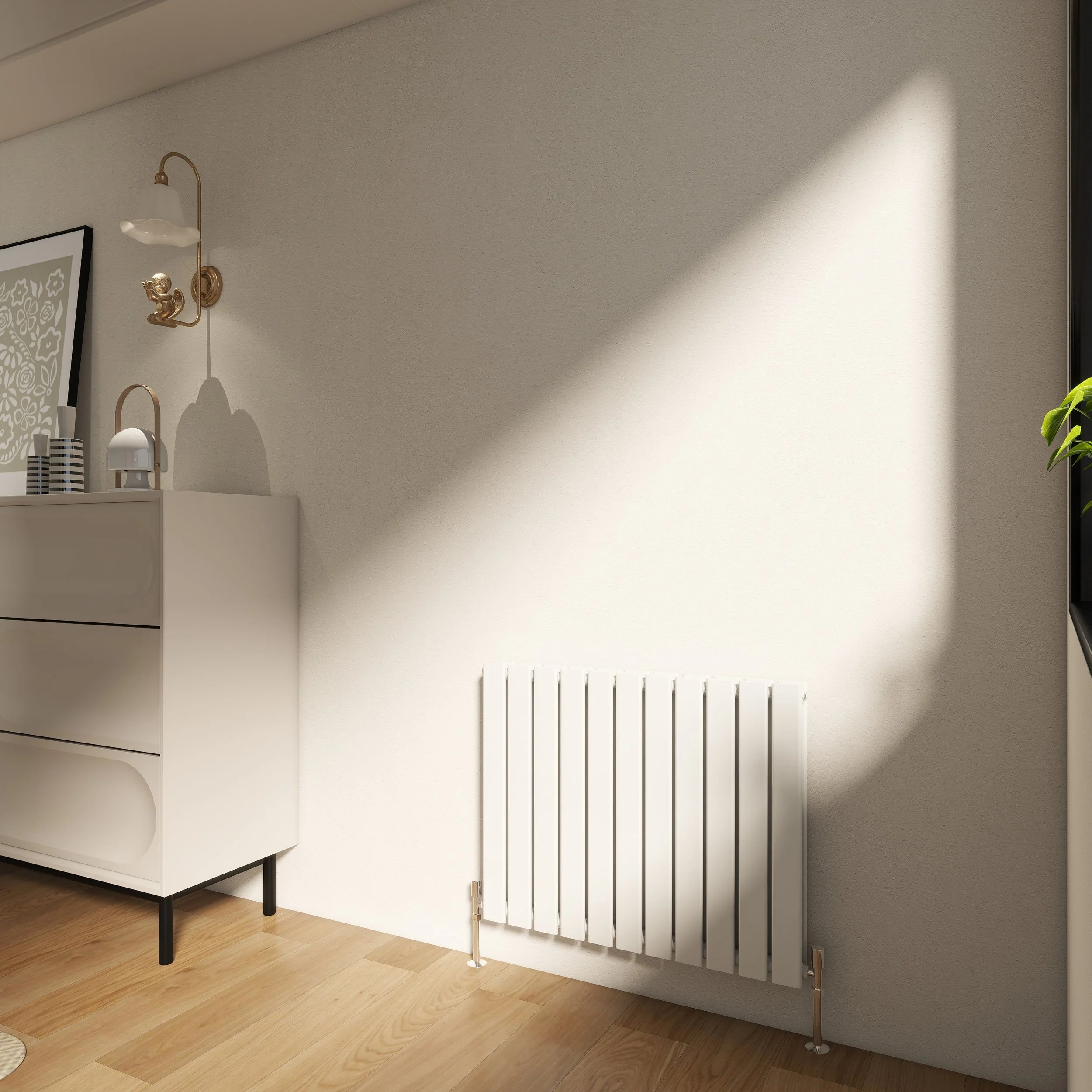 Image 6 of 42
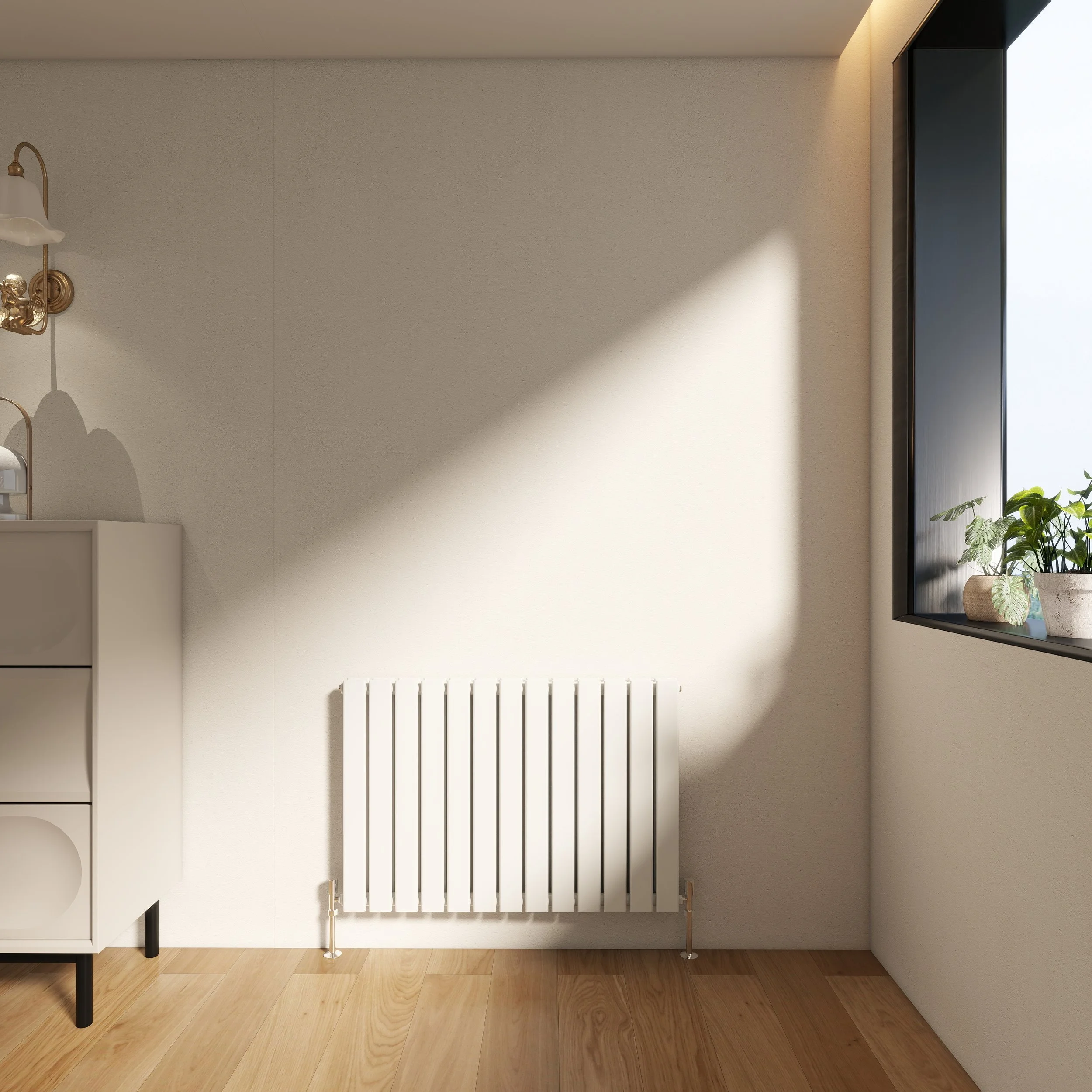 Image 7 of 42
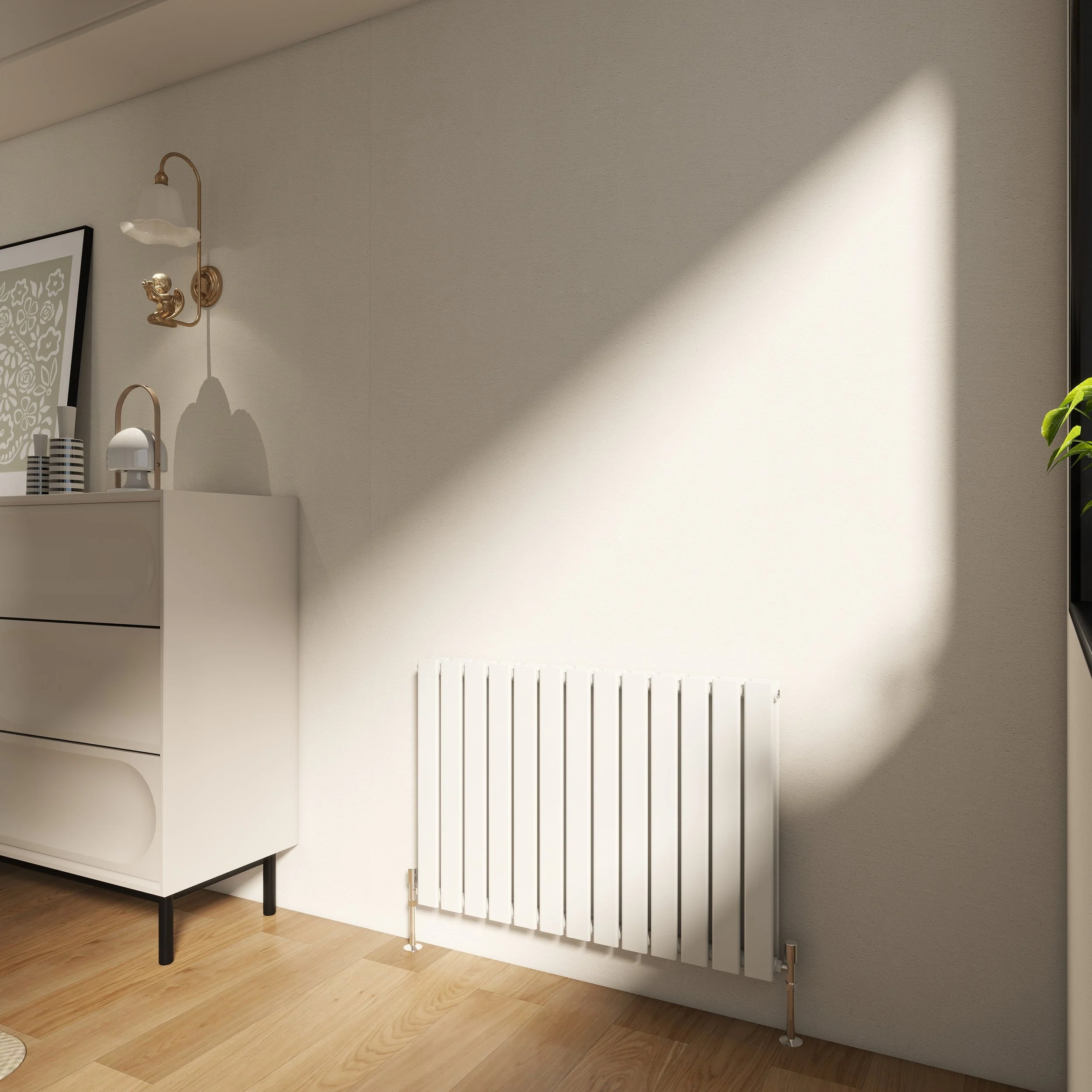 Image 8 of 42
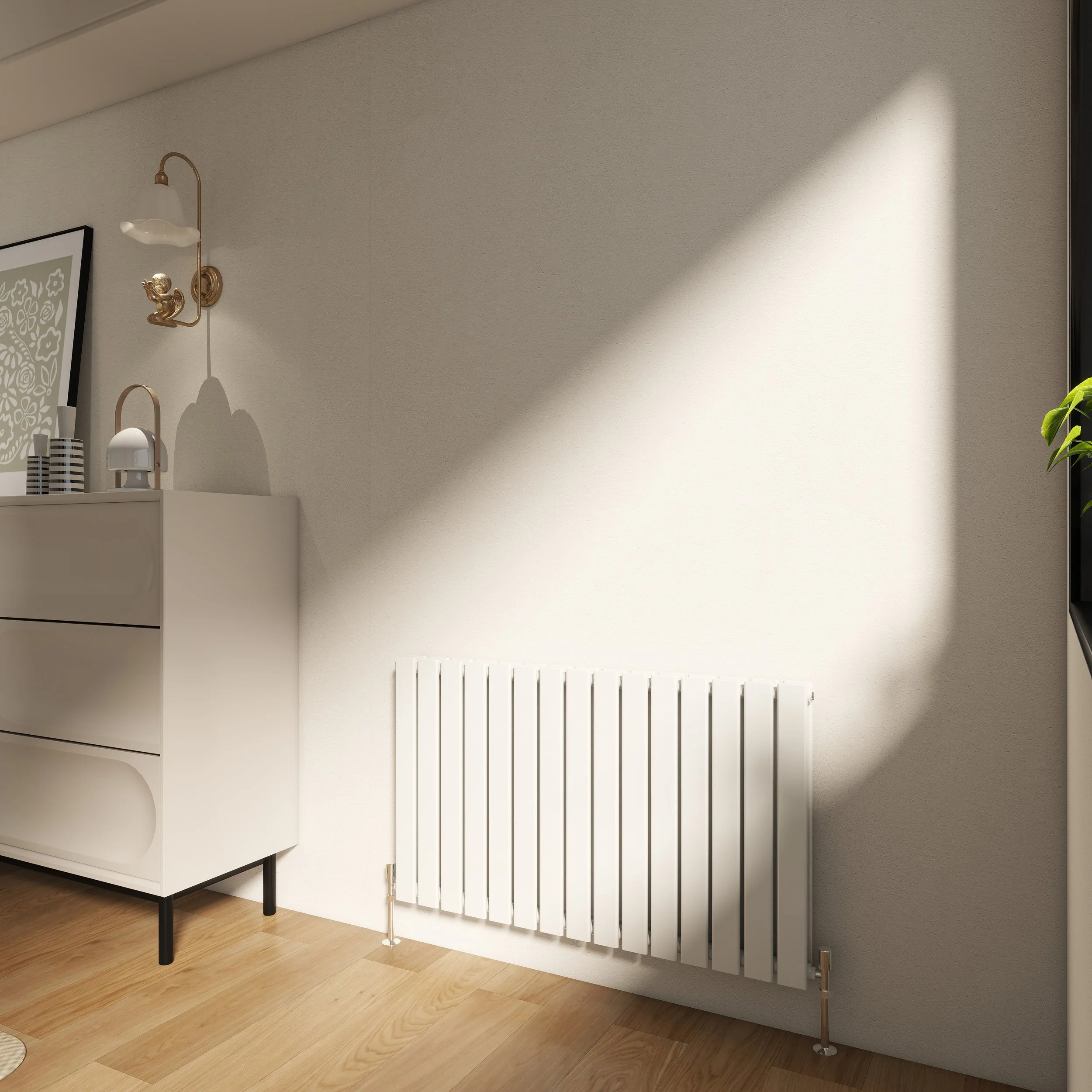 Image 9 of 42
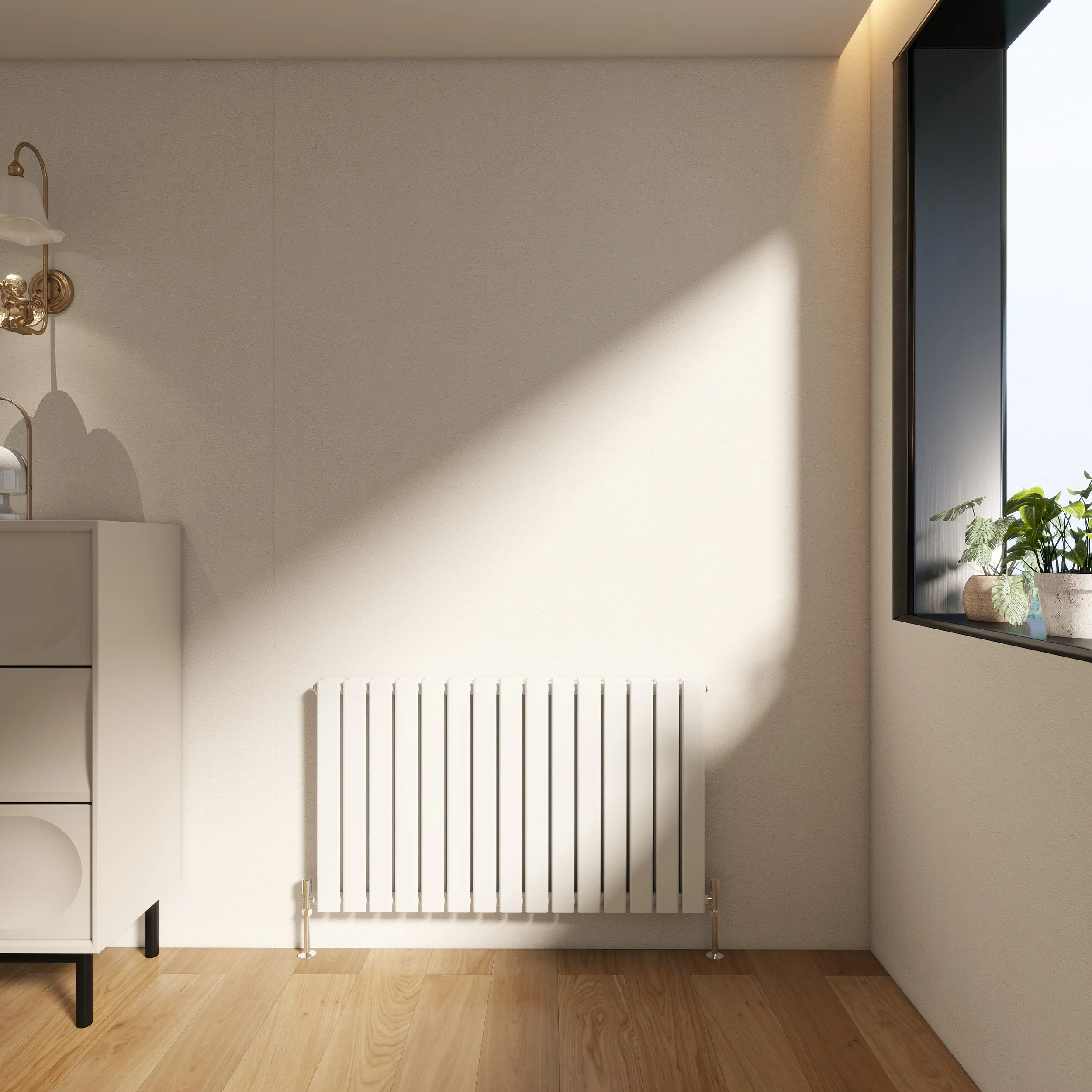 Image 10 of 42
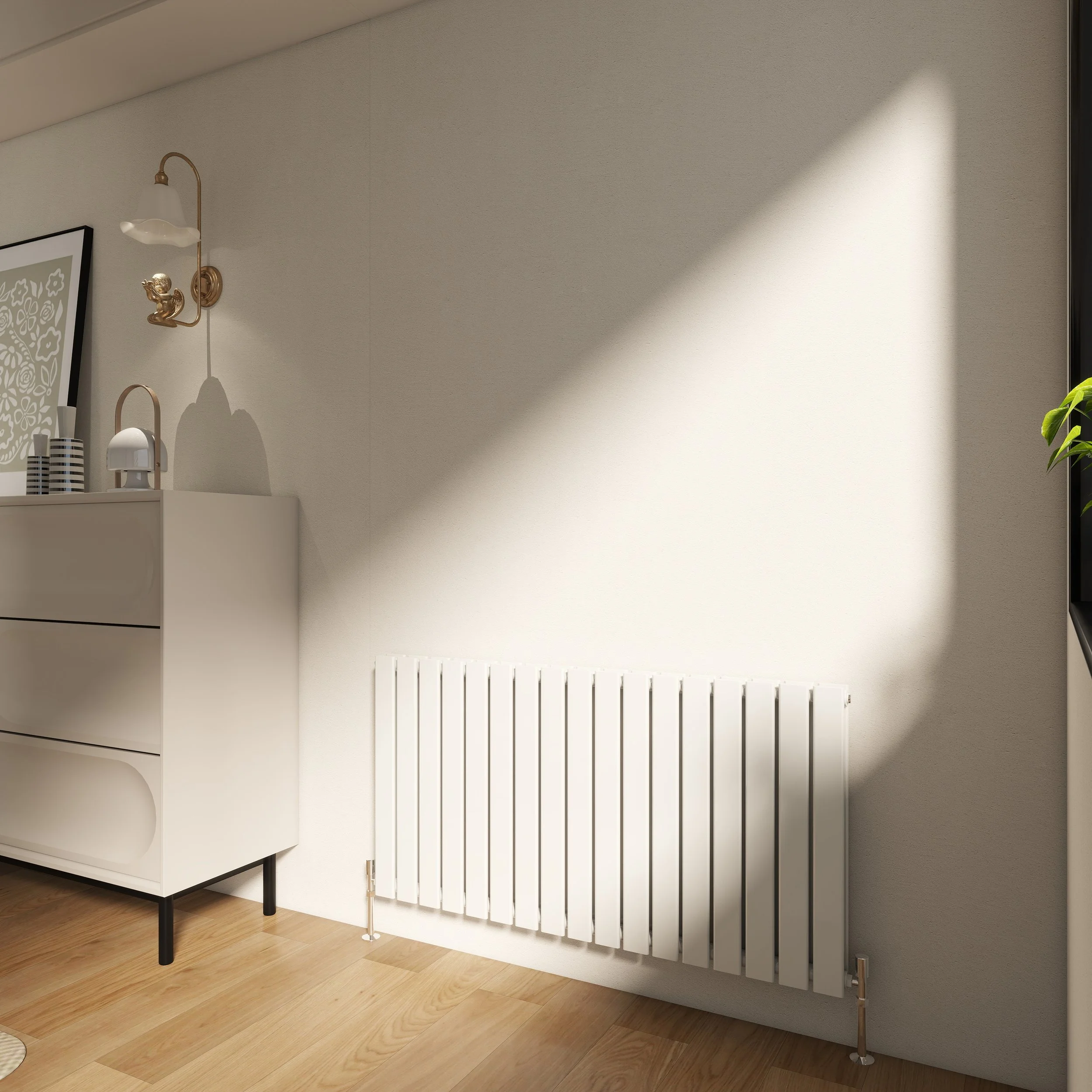 Image 11 of 42
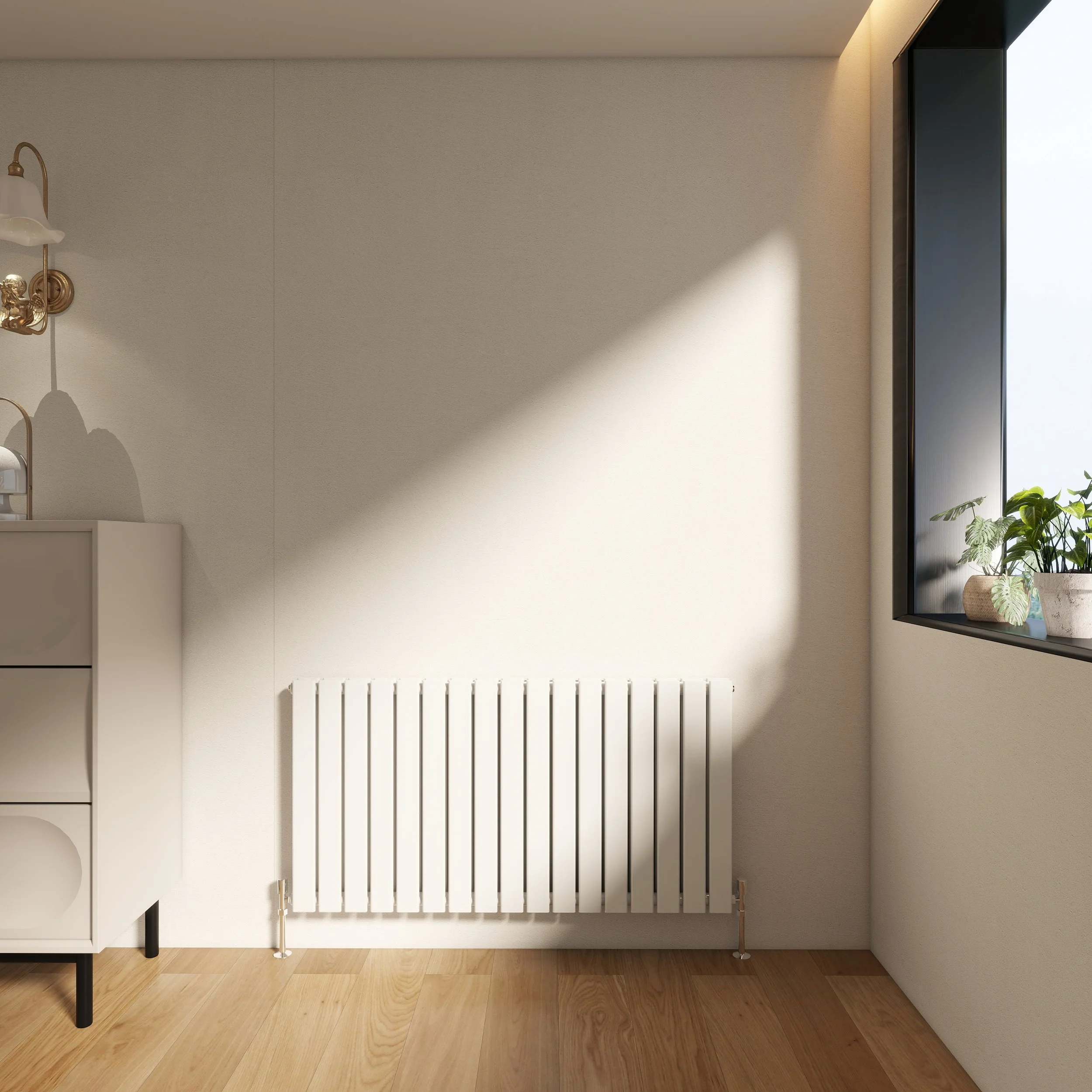 Image 12 of 42
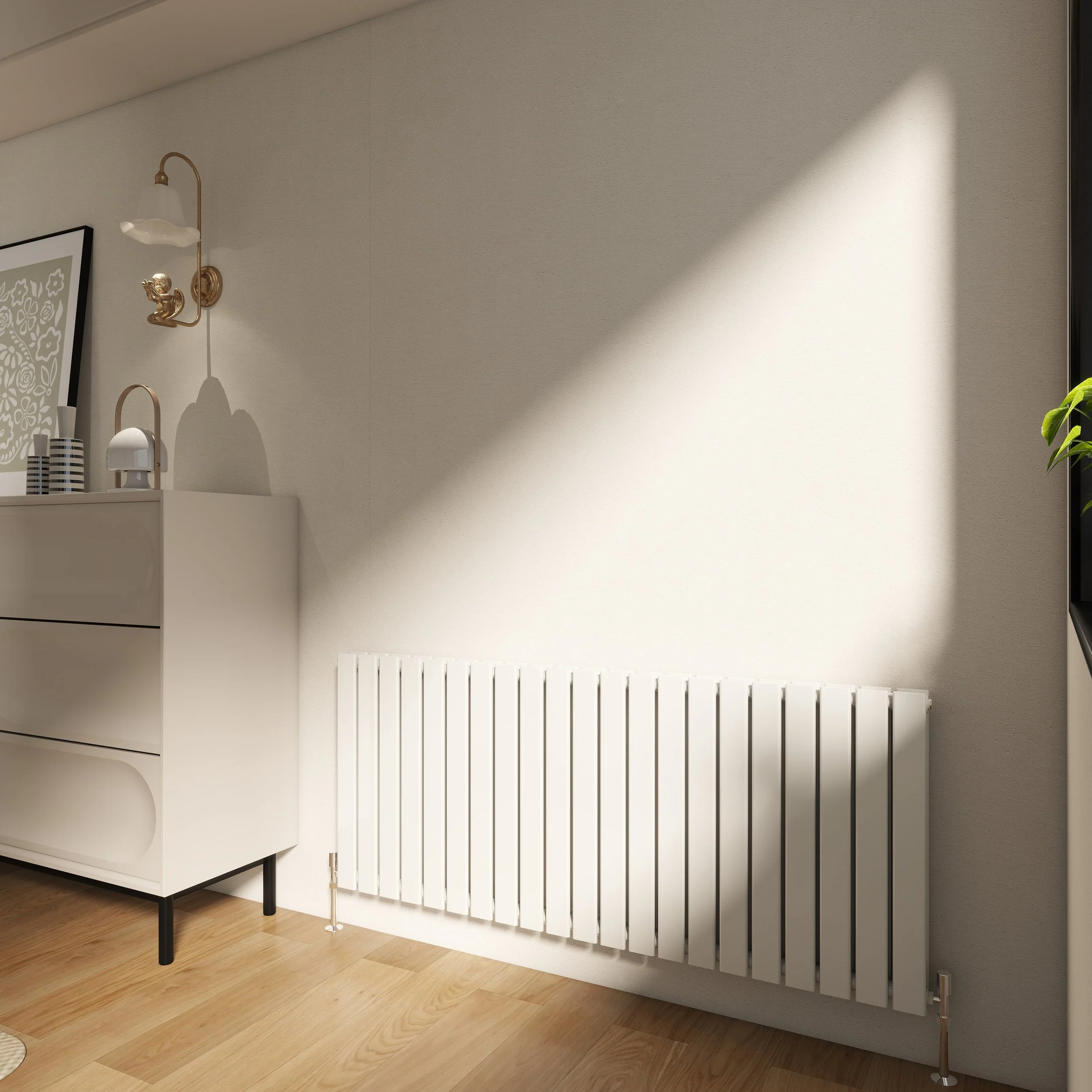 Image 13 of 42
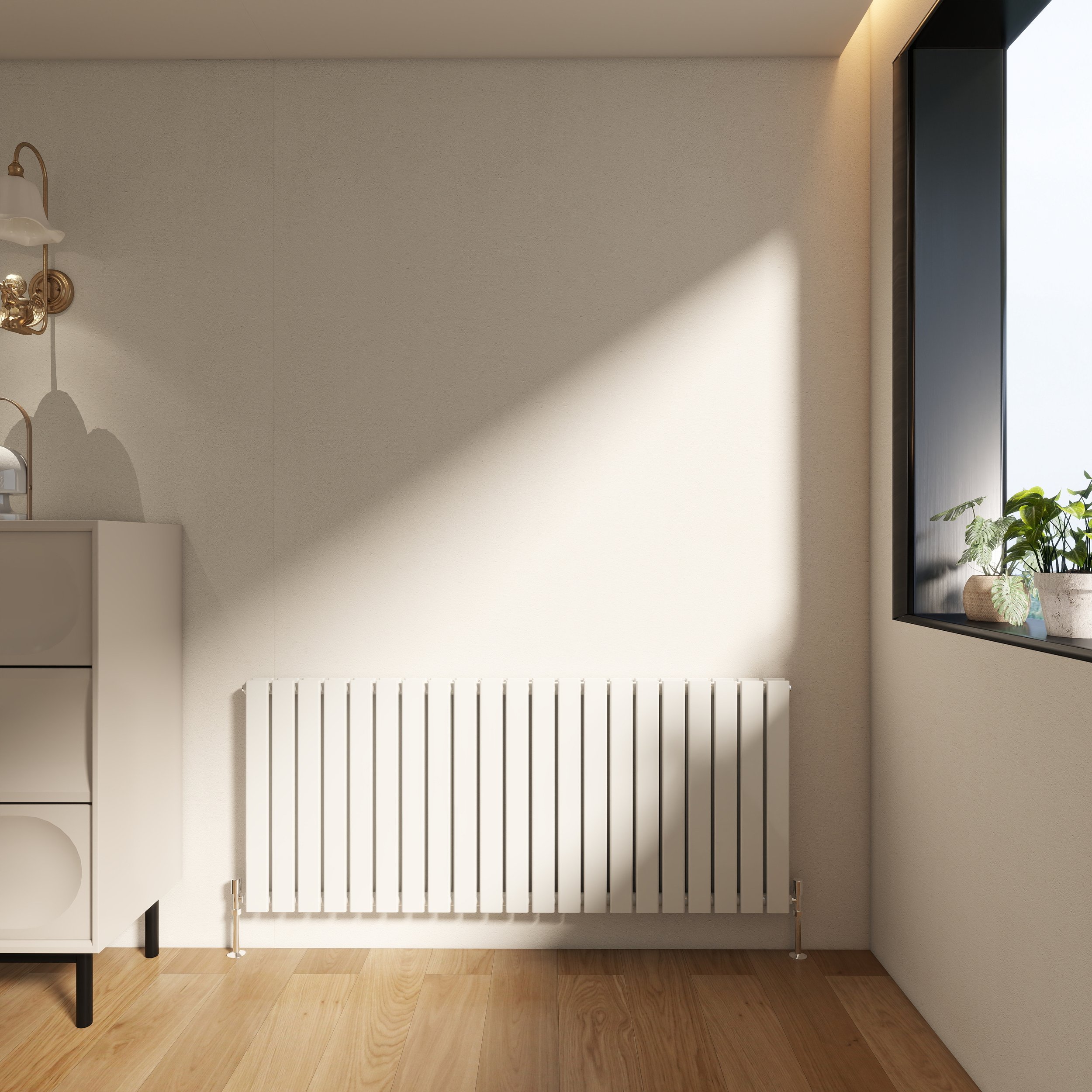 Image 14 of 42
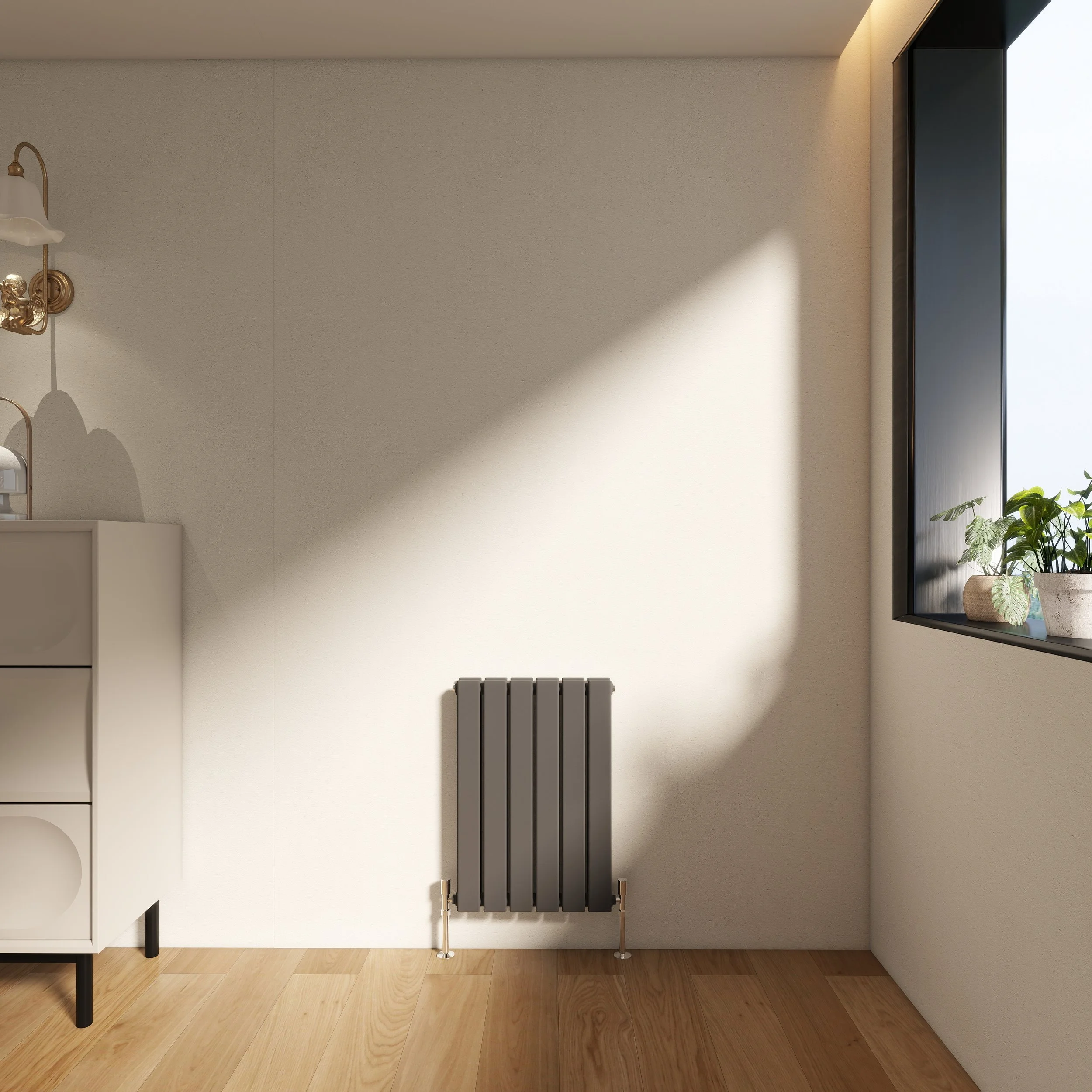 Image 15 of 42
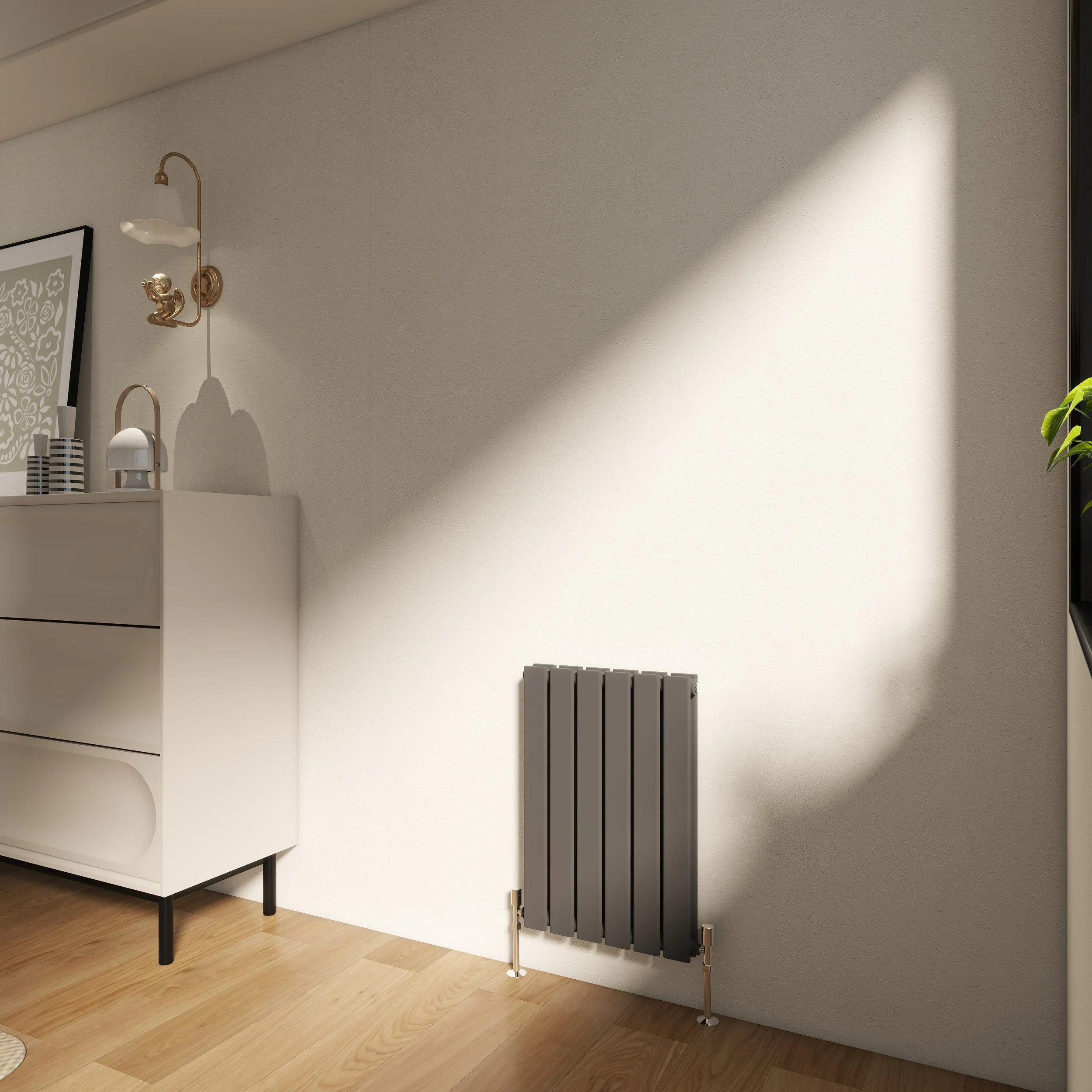 Image 16 of 42
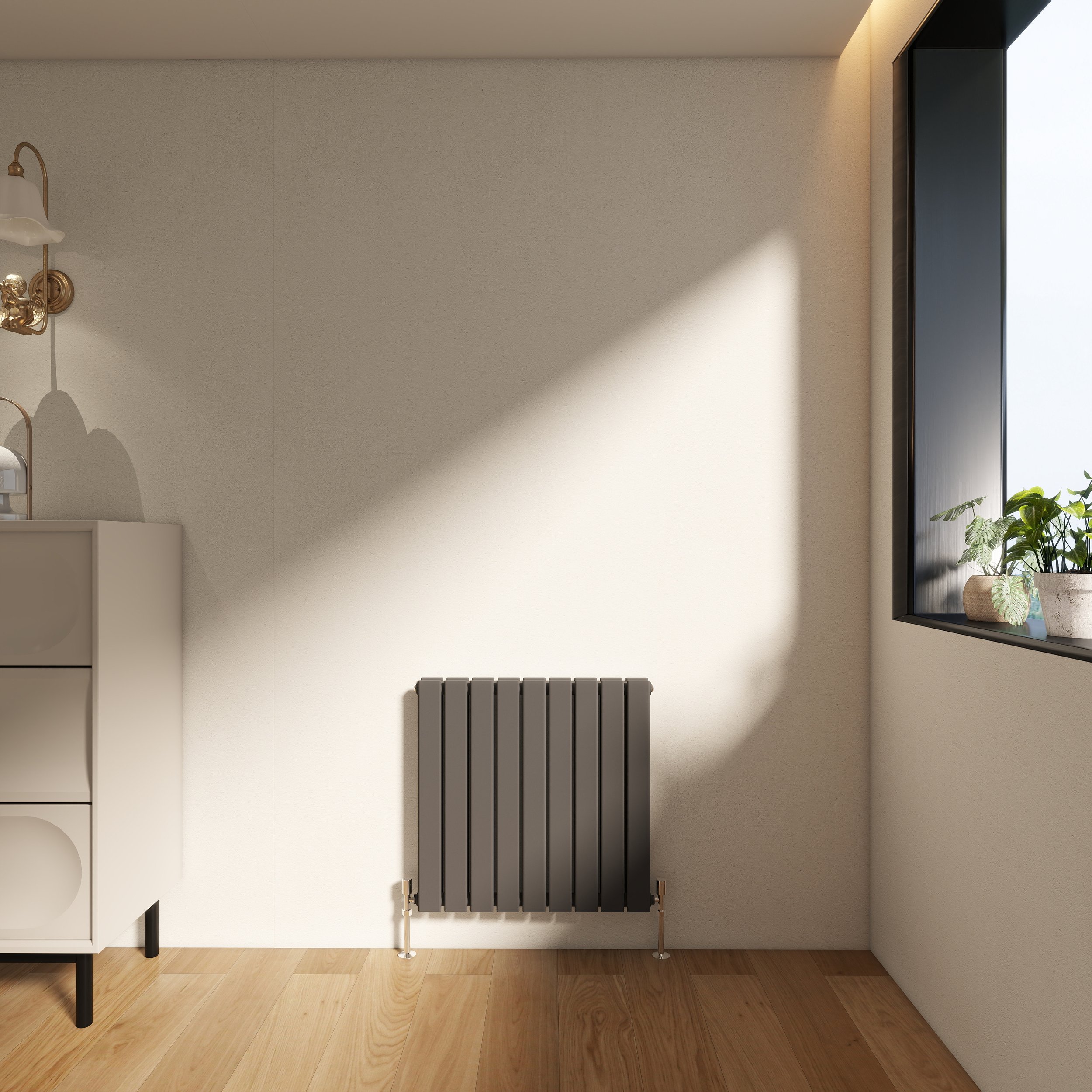 Image 17 of 42
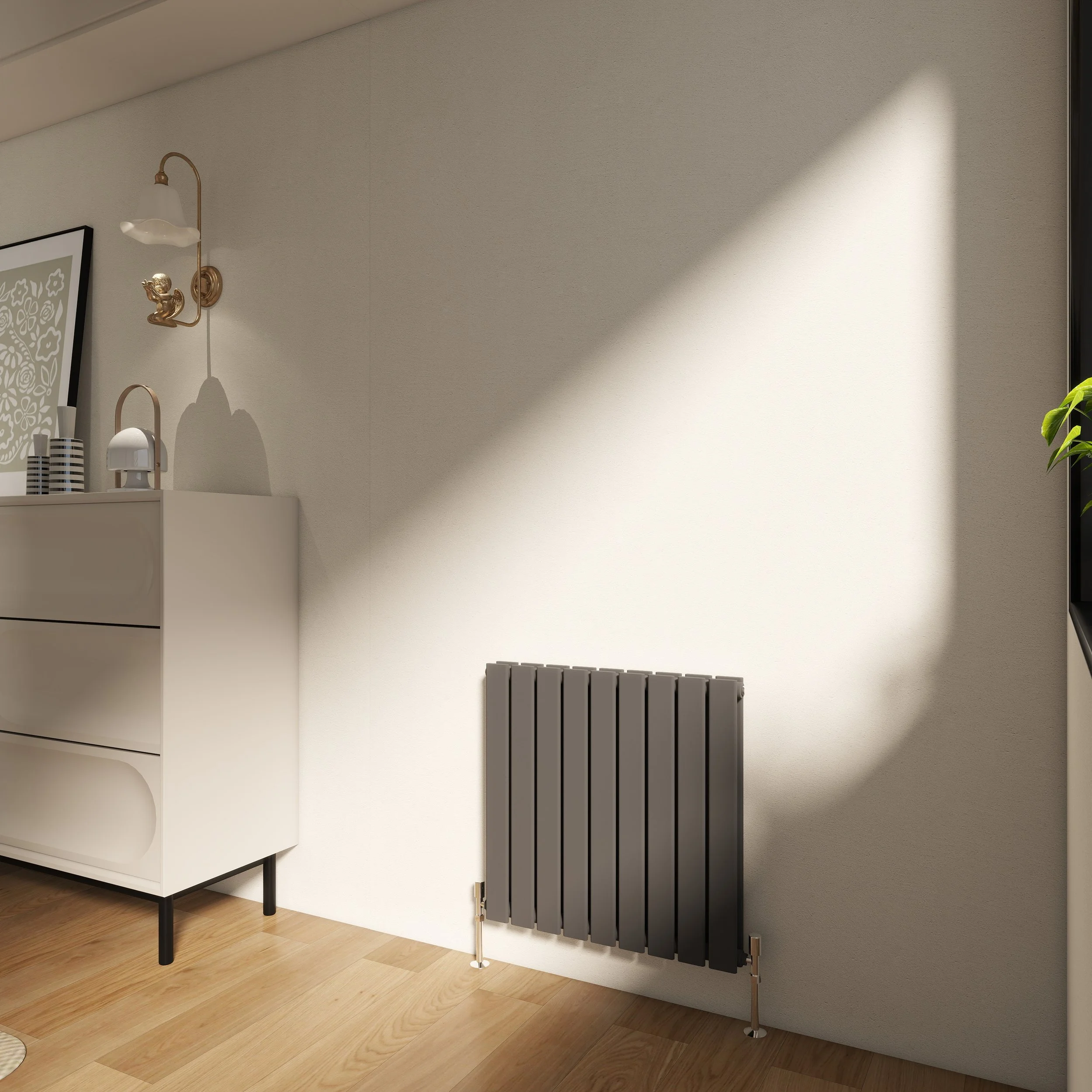 Image 18 of 42
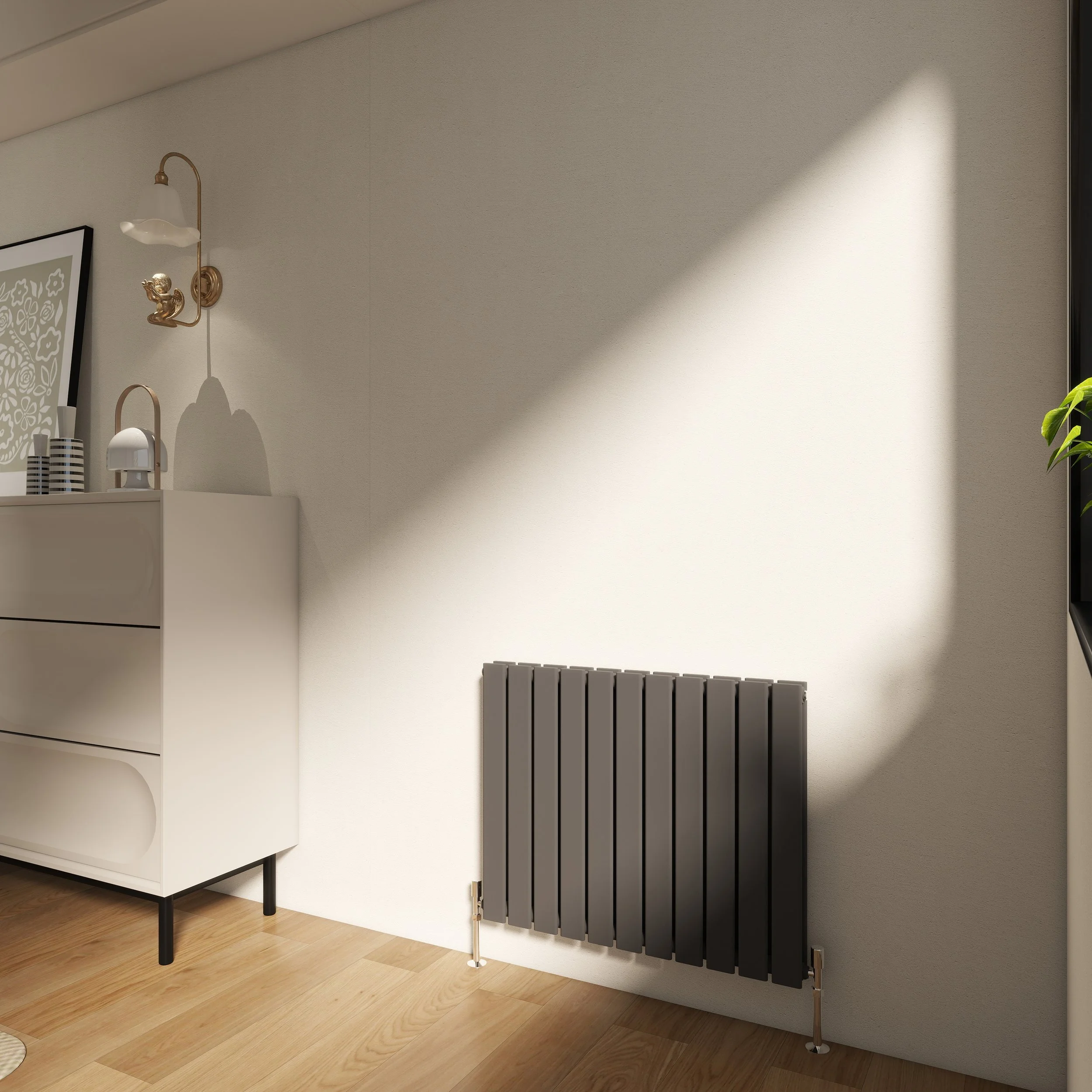 Image 19 of 42
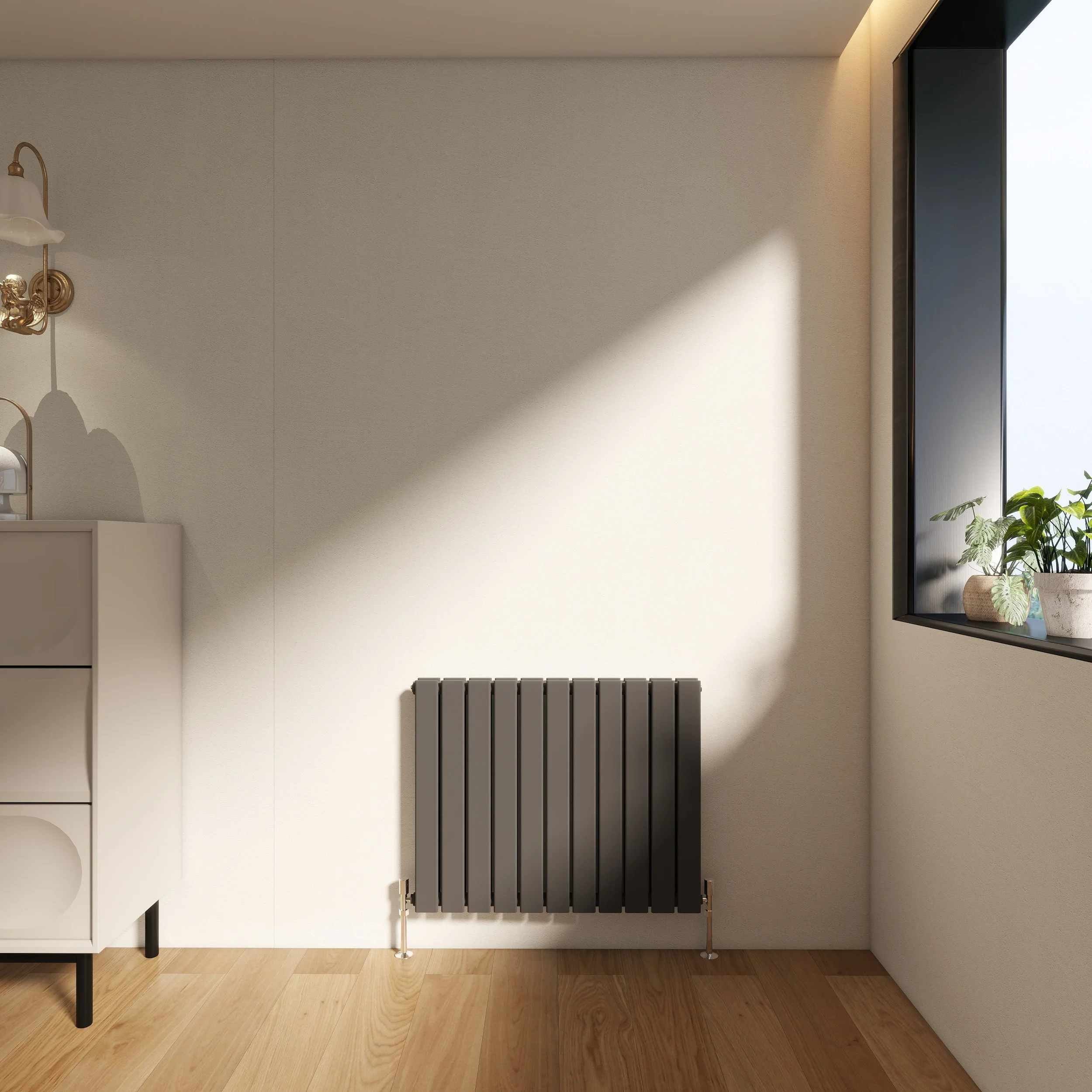 Image 20 of 42
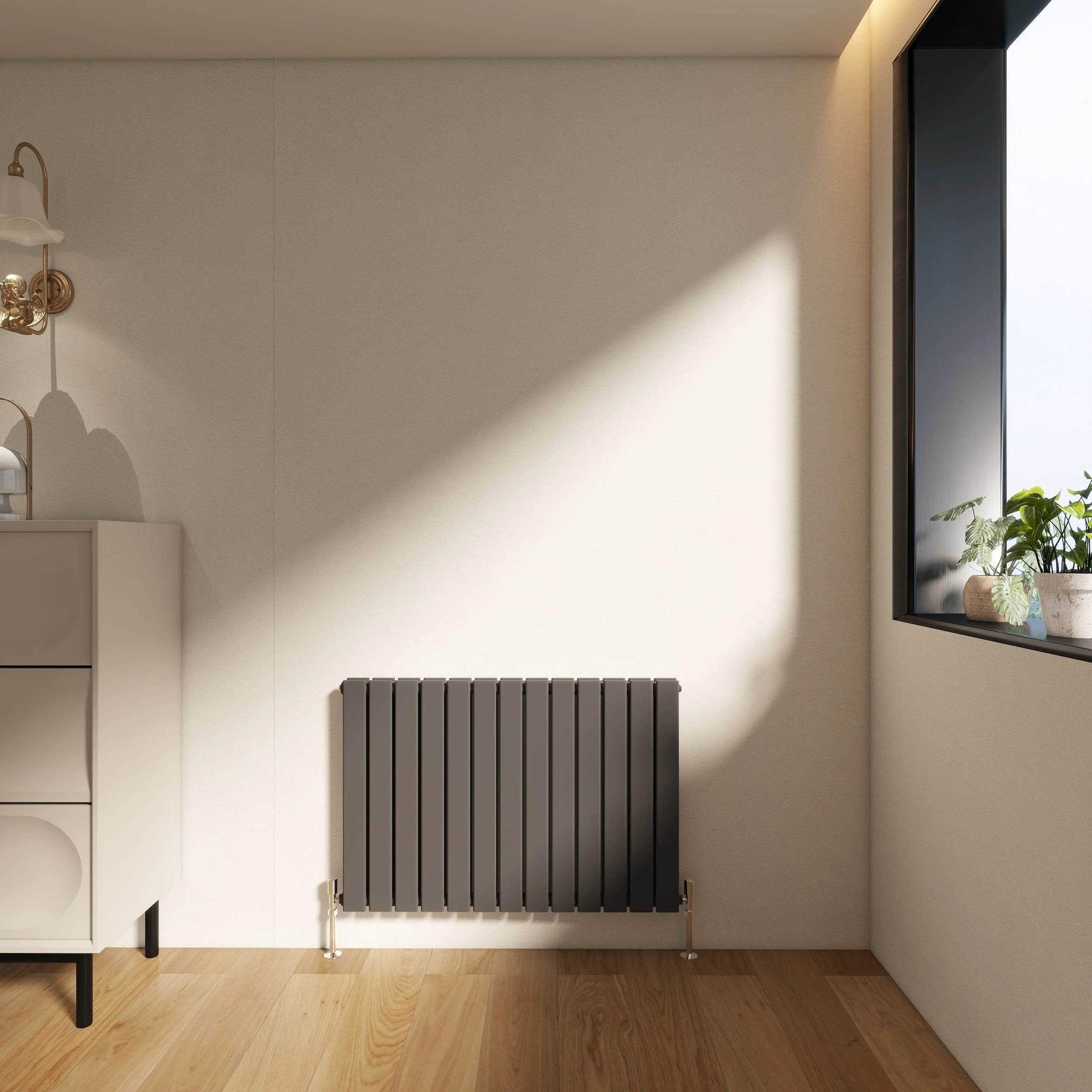 Image 21 of 42
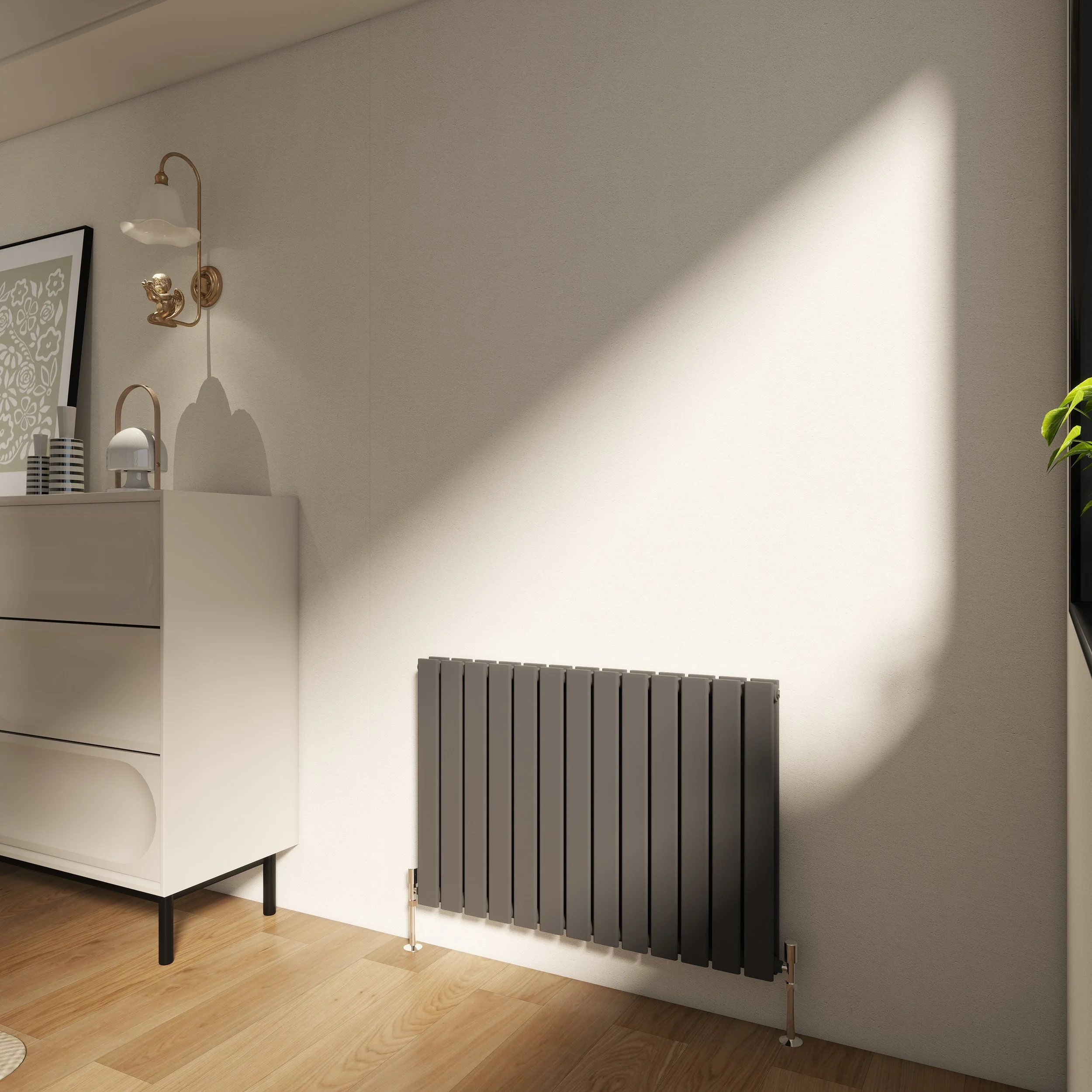 Image 22 of 42
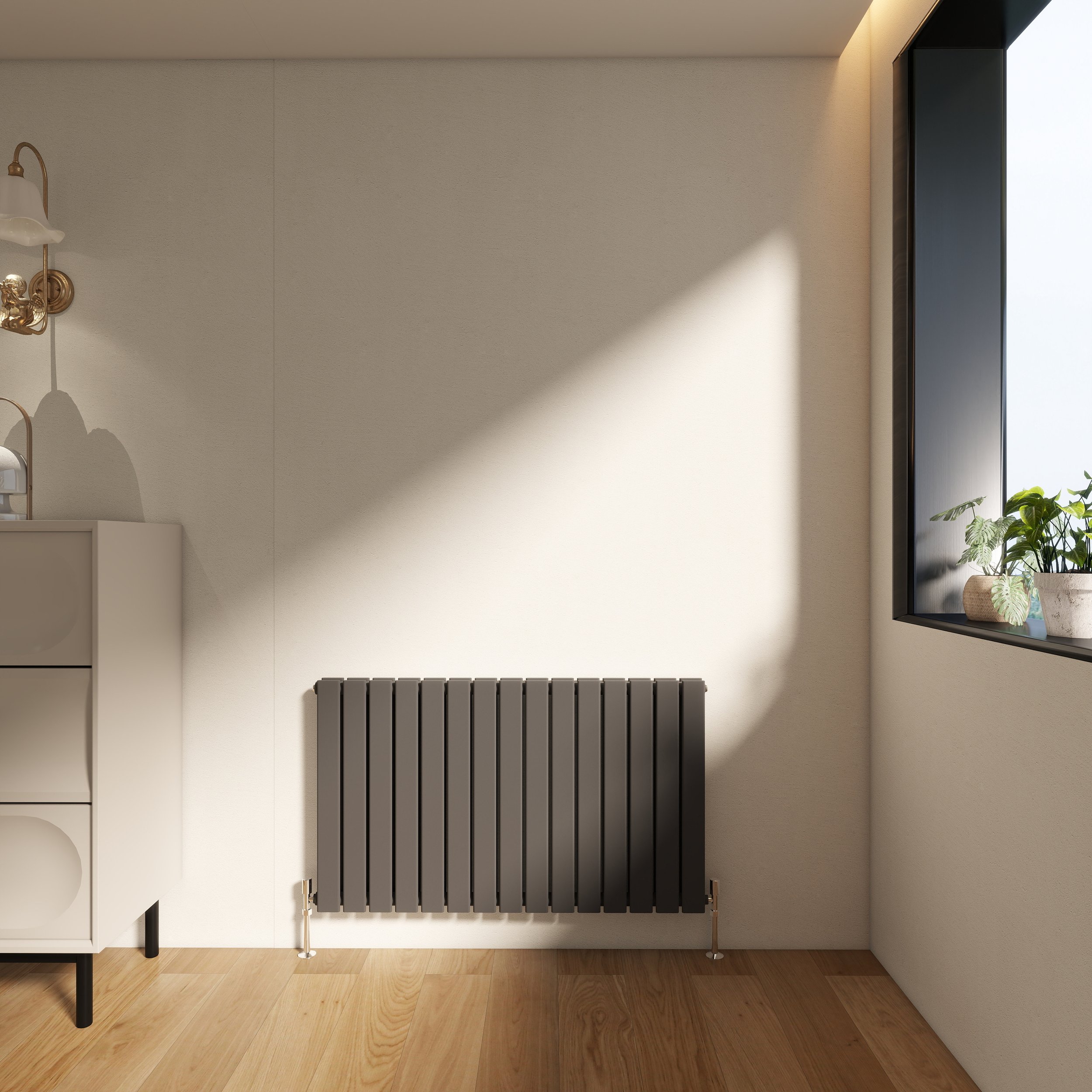 Image 23 of 42
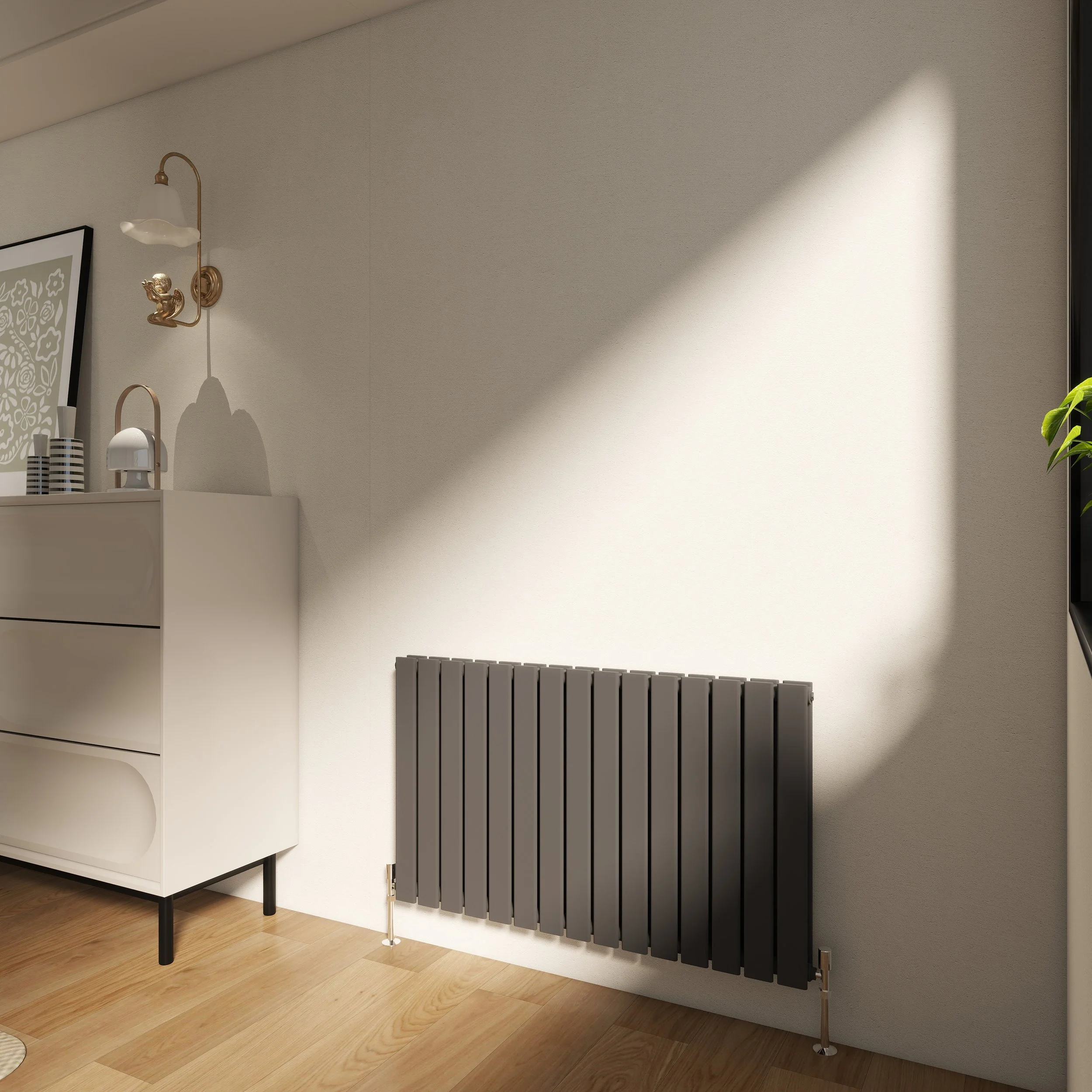 Image 24 of 42
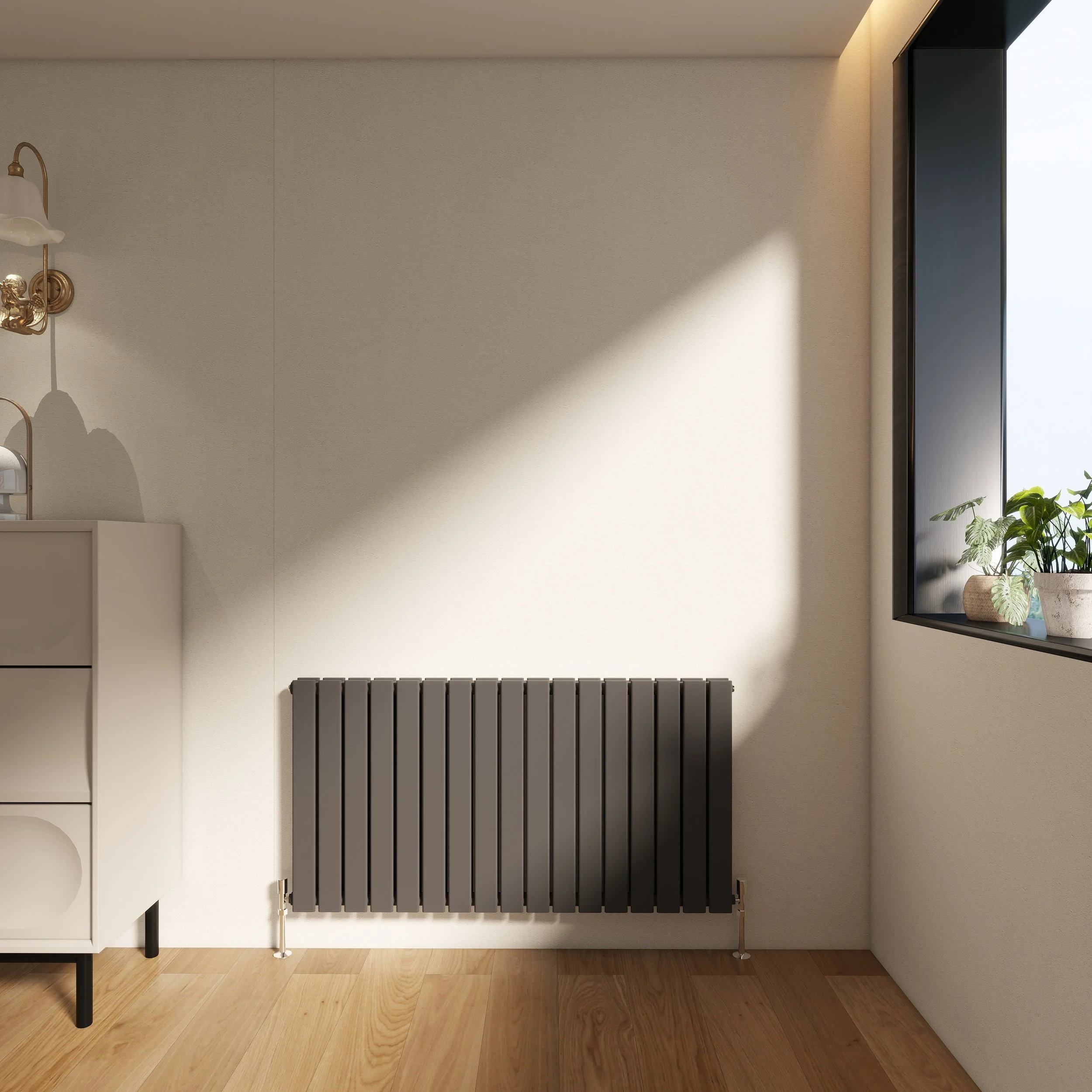 Image 25 of 42
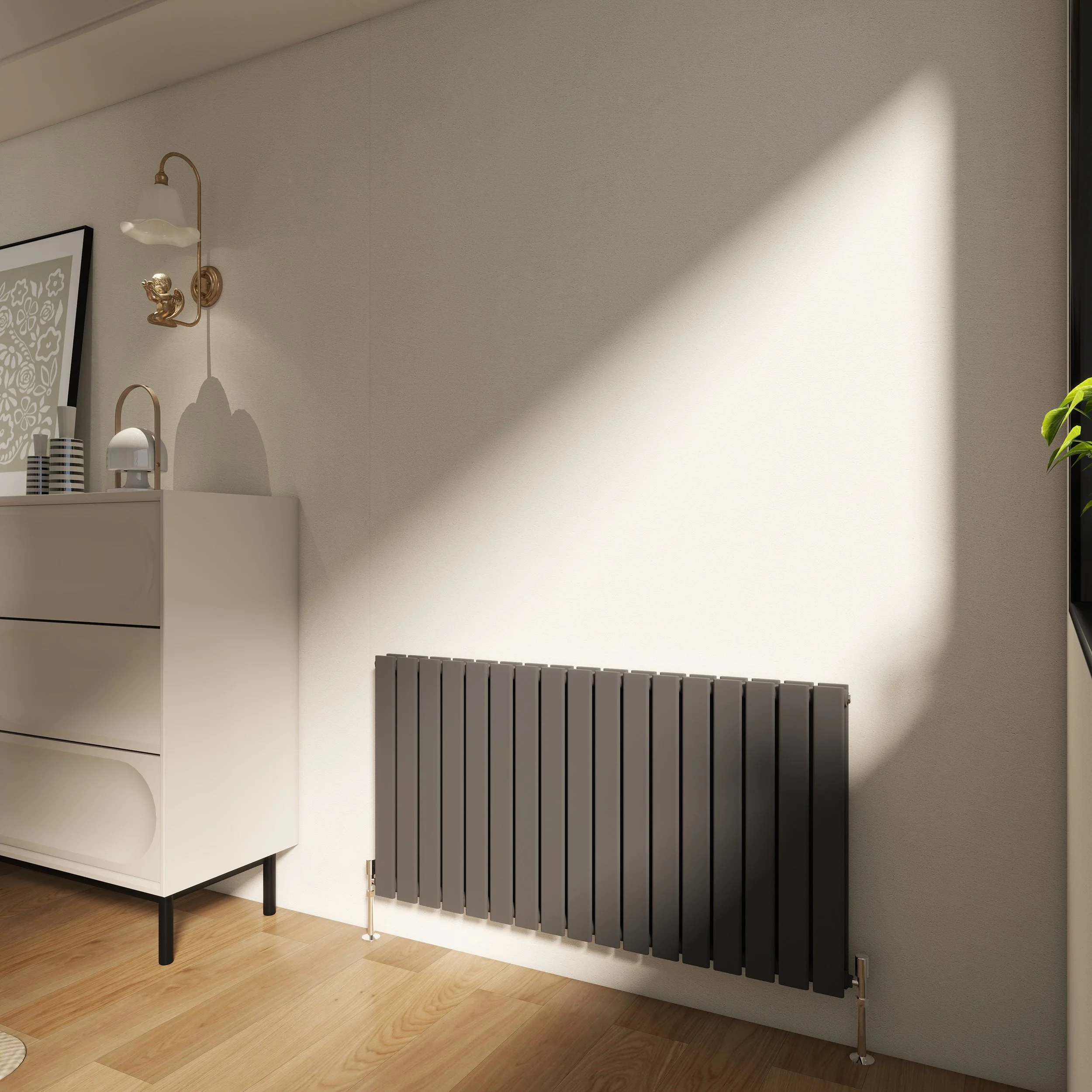 Image 26 of 42
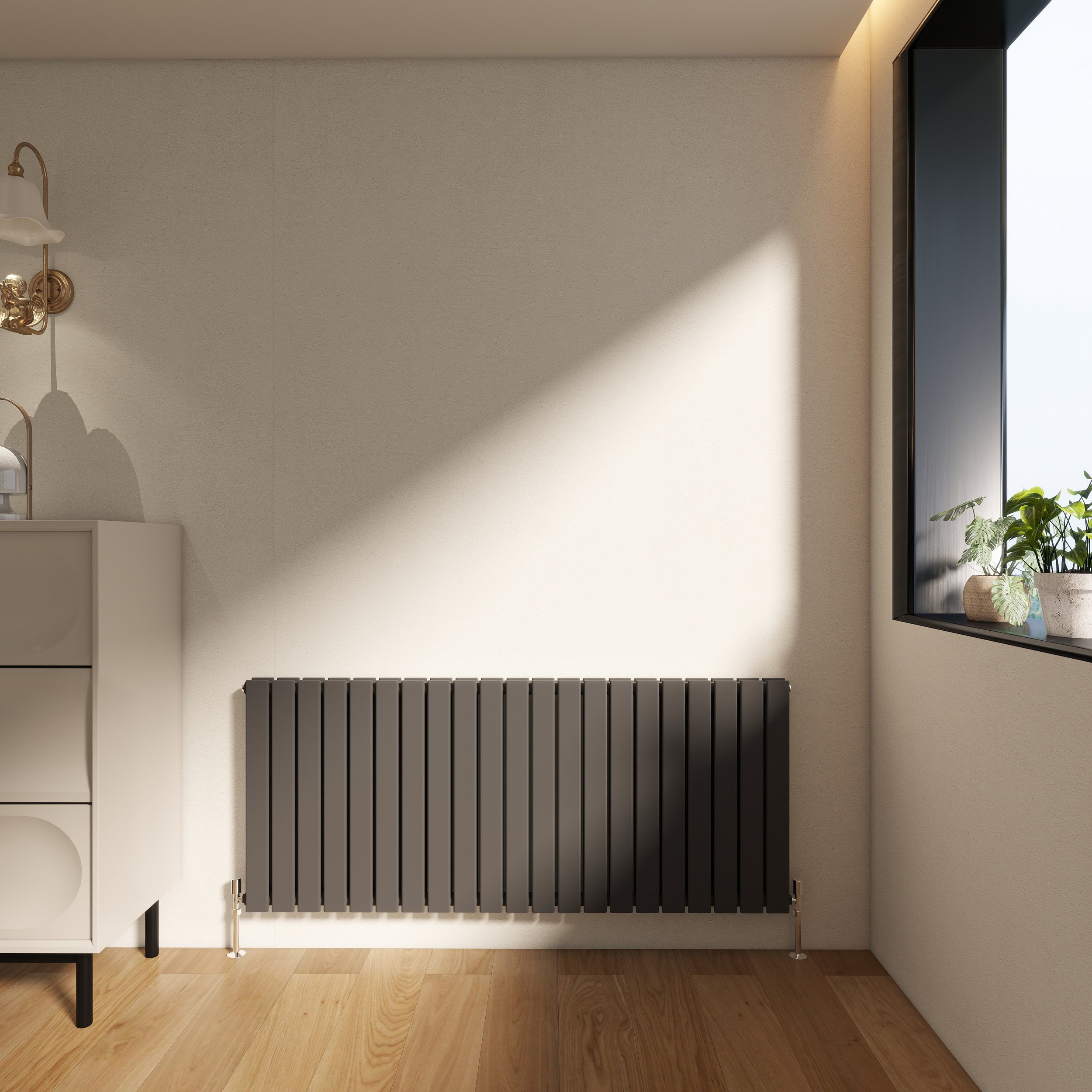 Image 27 of 42
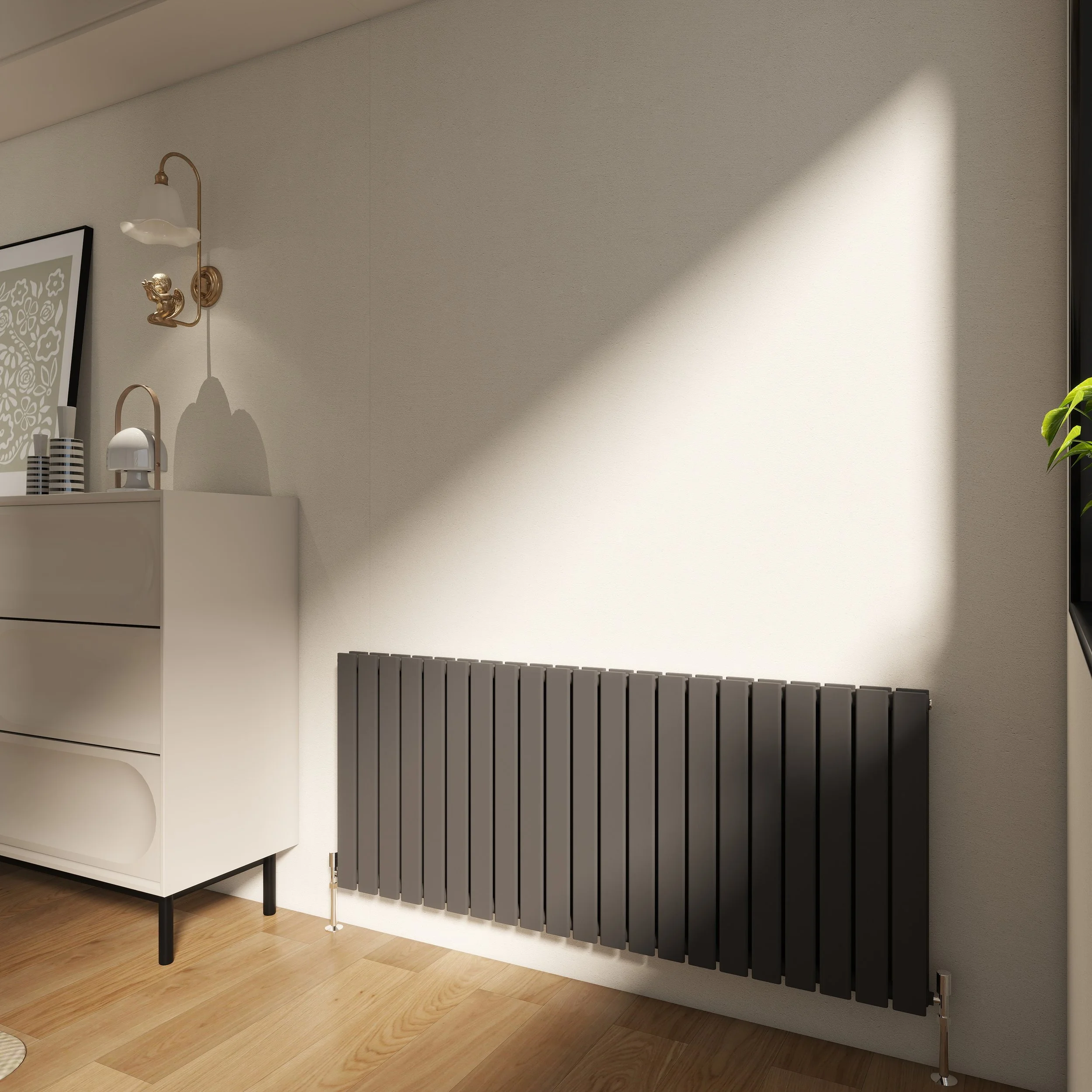 Image 28 of 42
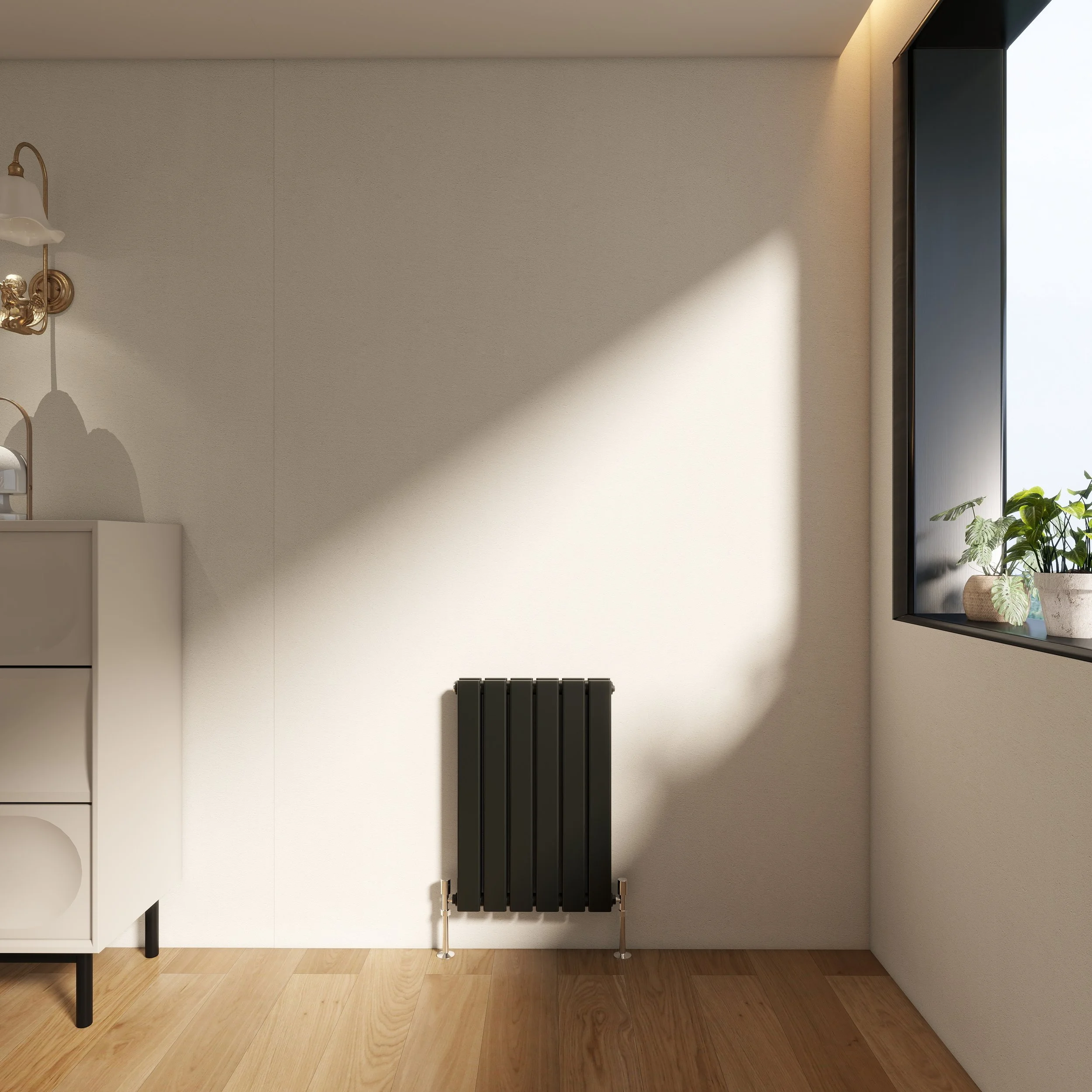 Image 29 of 42
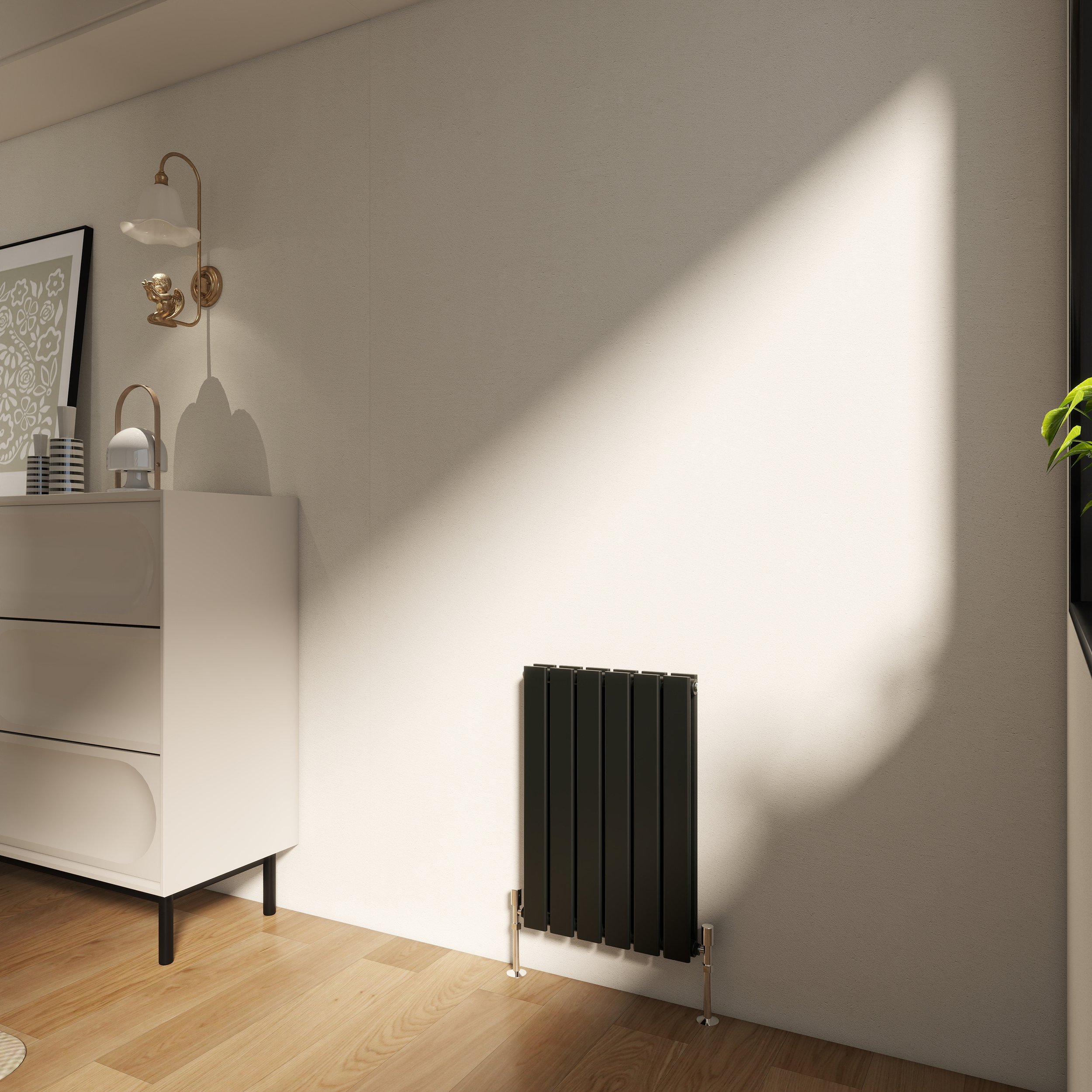 Image 30 of 42
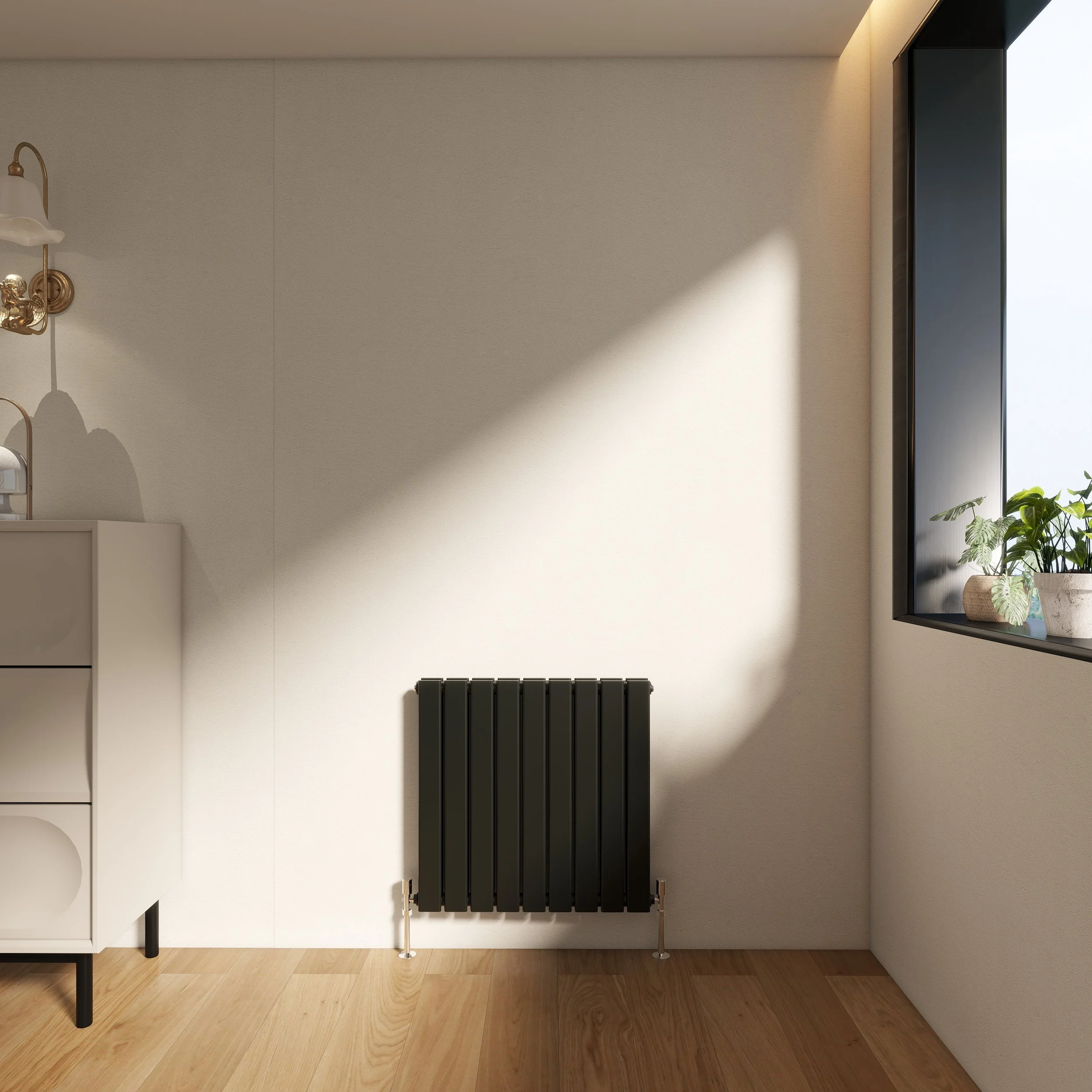 Image 31 of 42
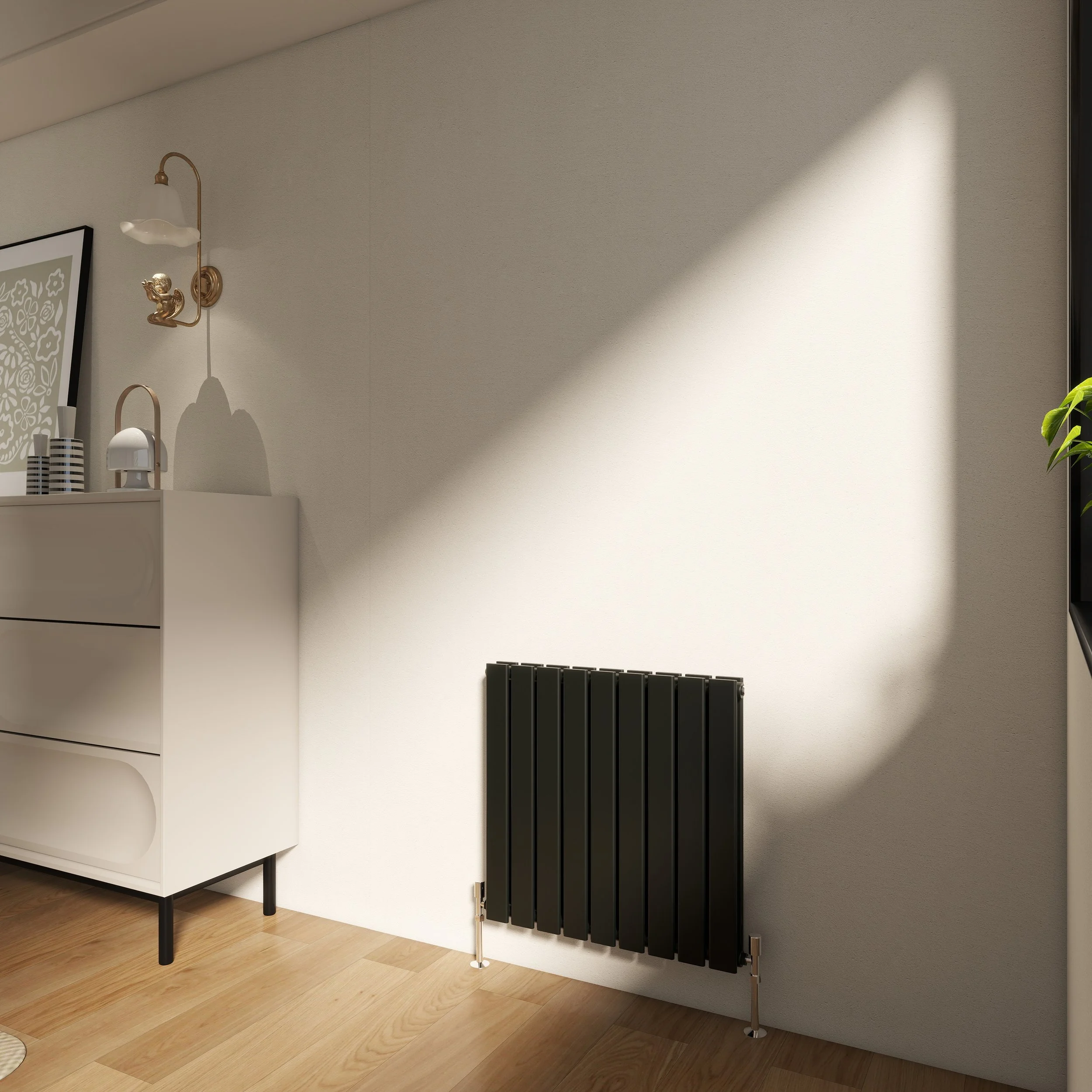 Image 32 of 42
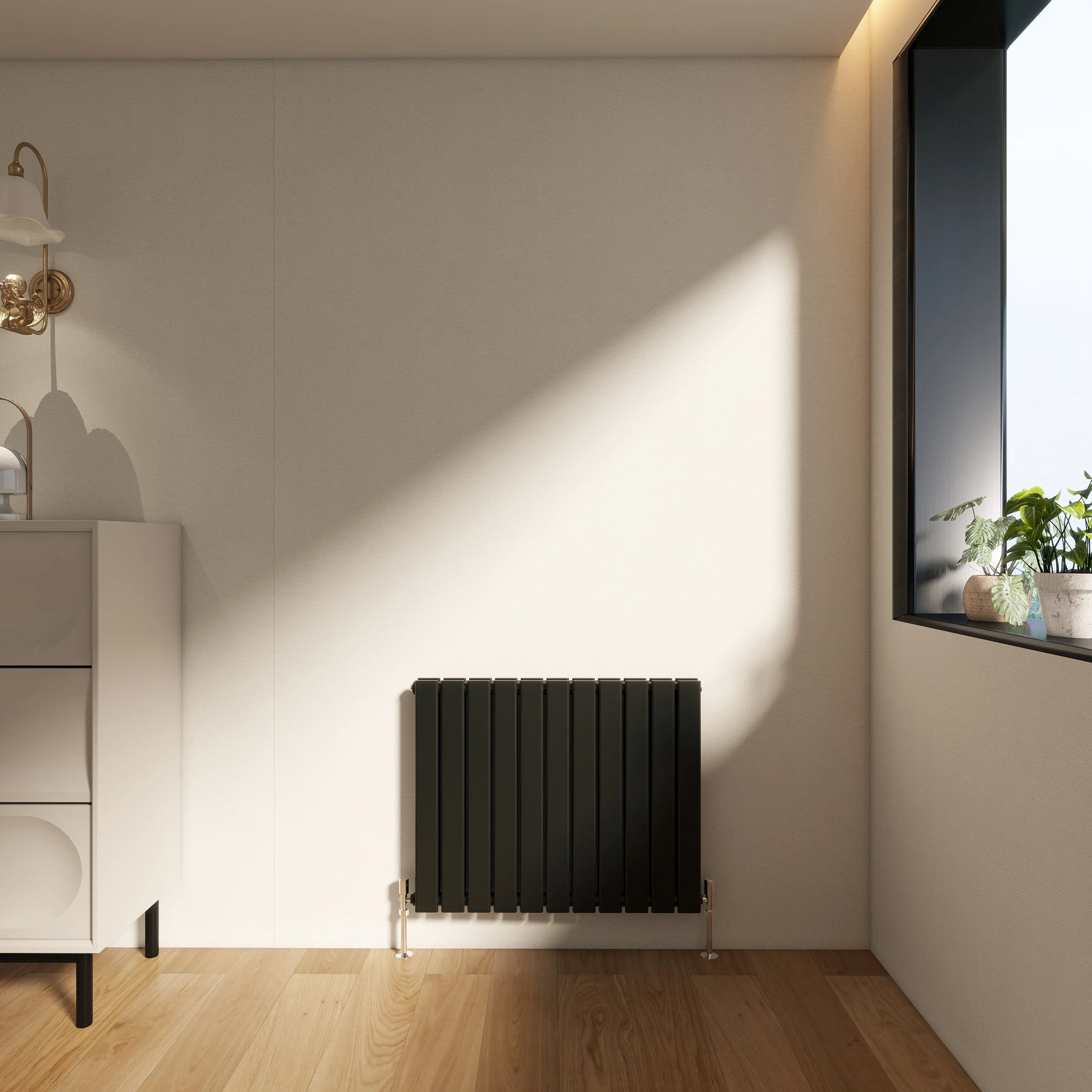 Image 33 of 42
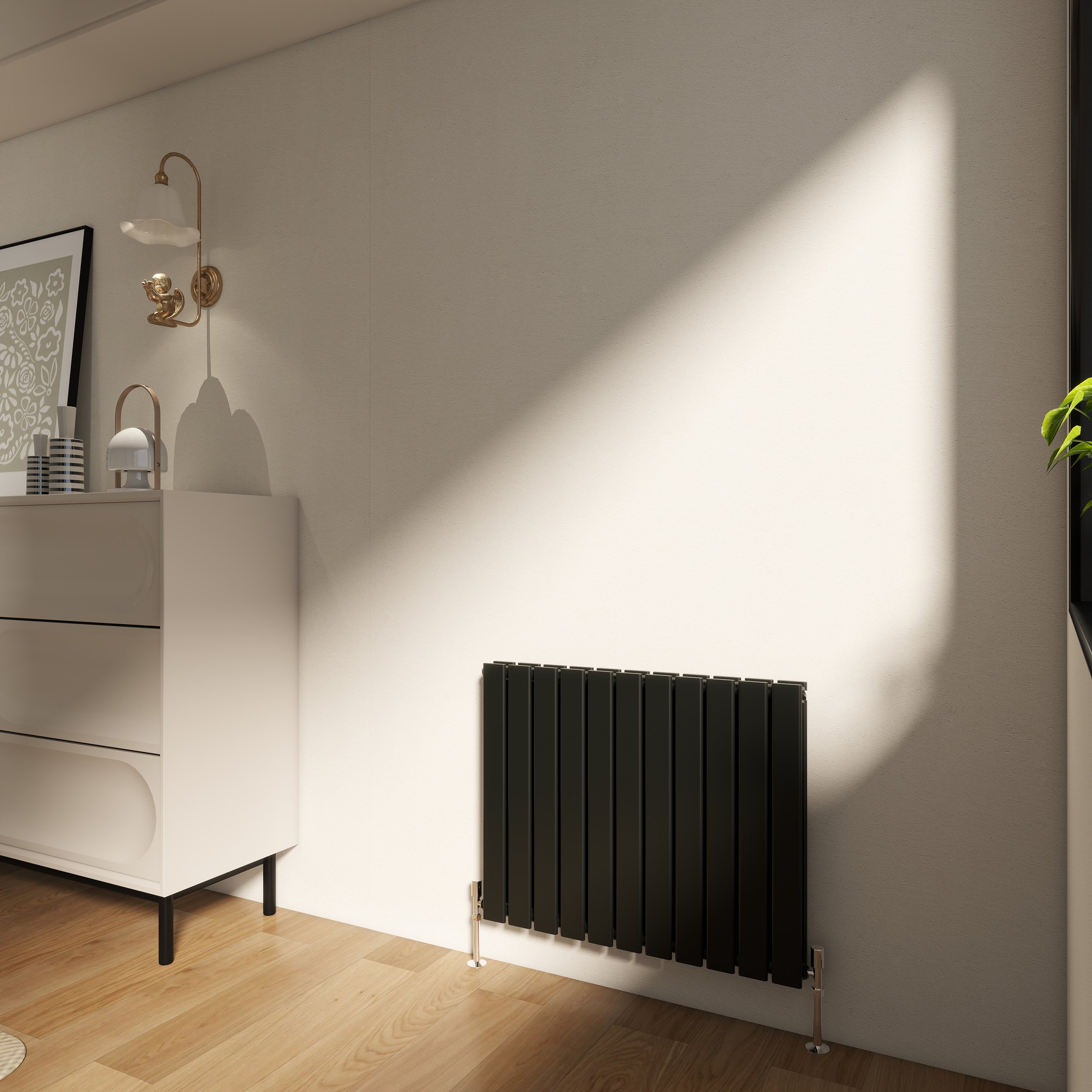 Image 34 of 42
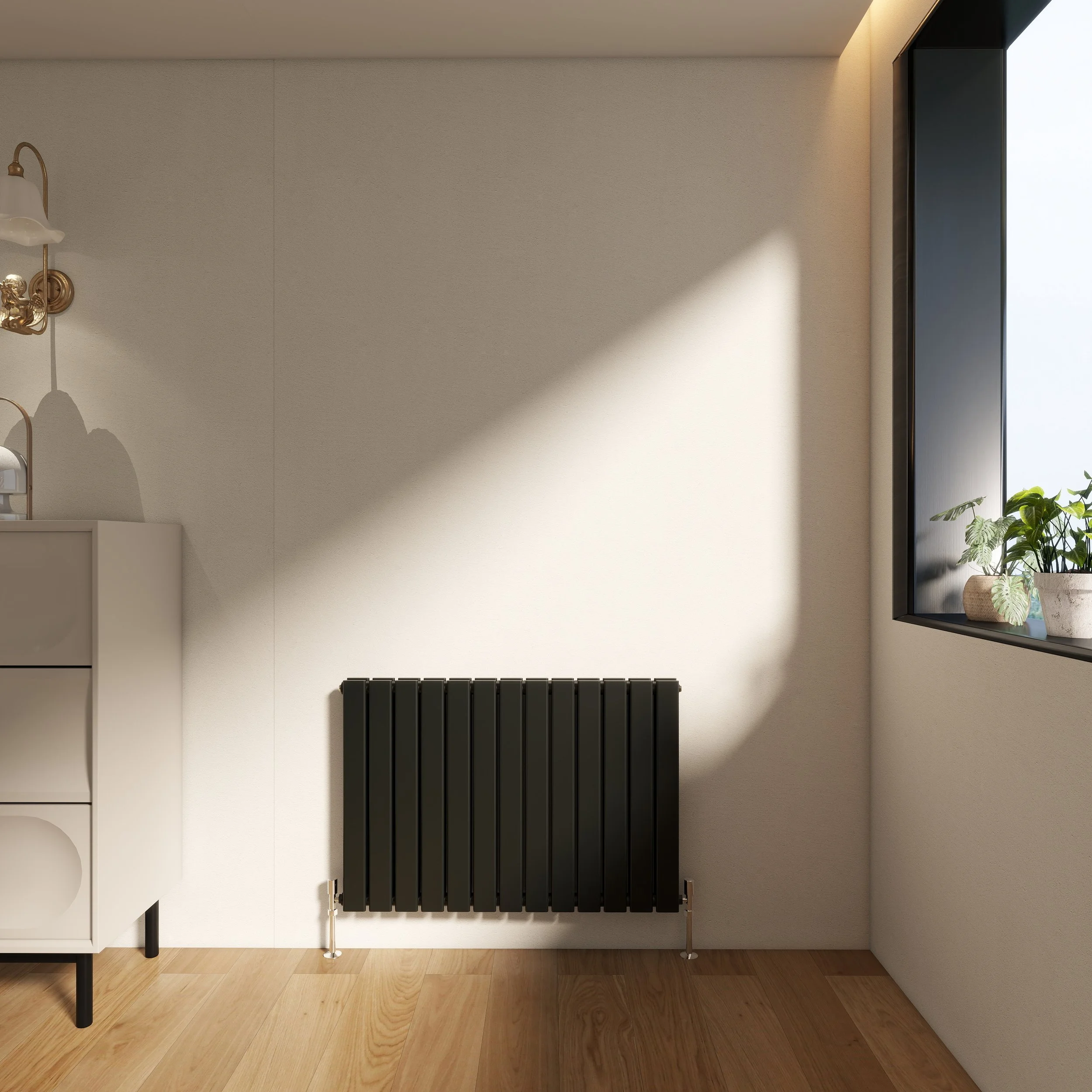 Image 35 of 42
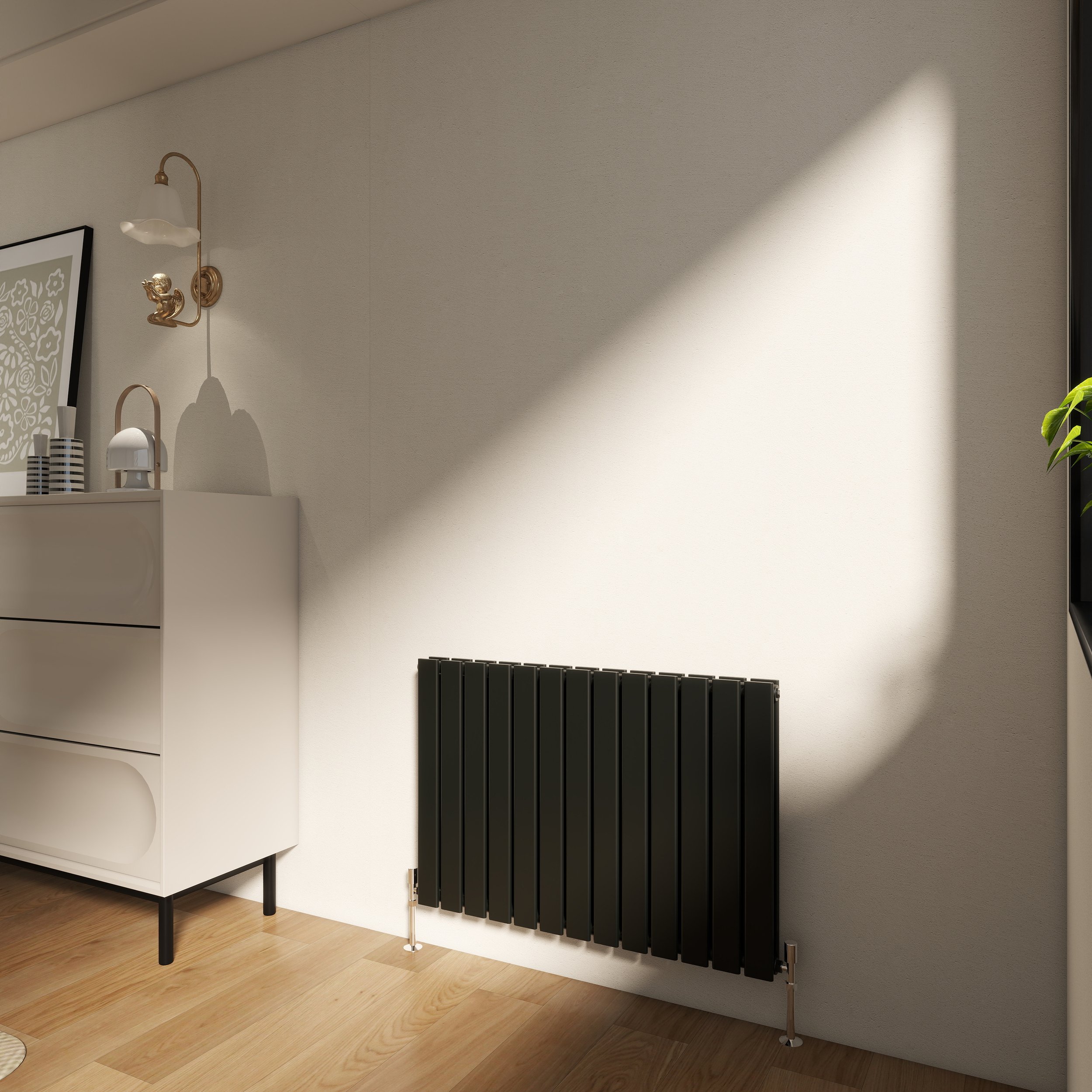 Image 36 of 42
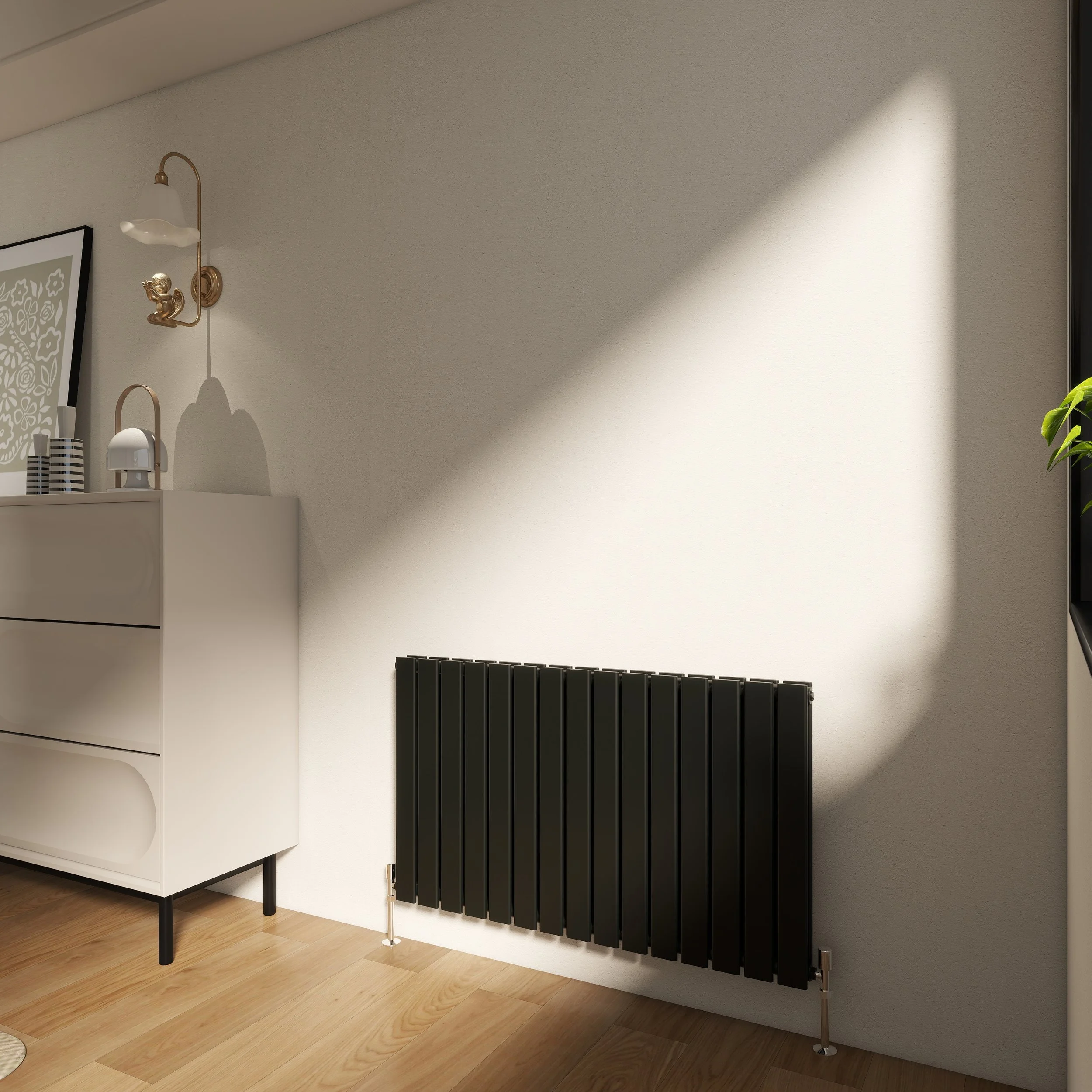 Image 37 of 42
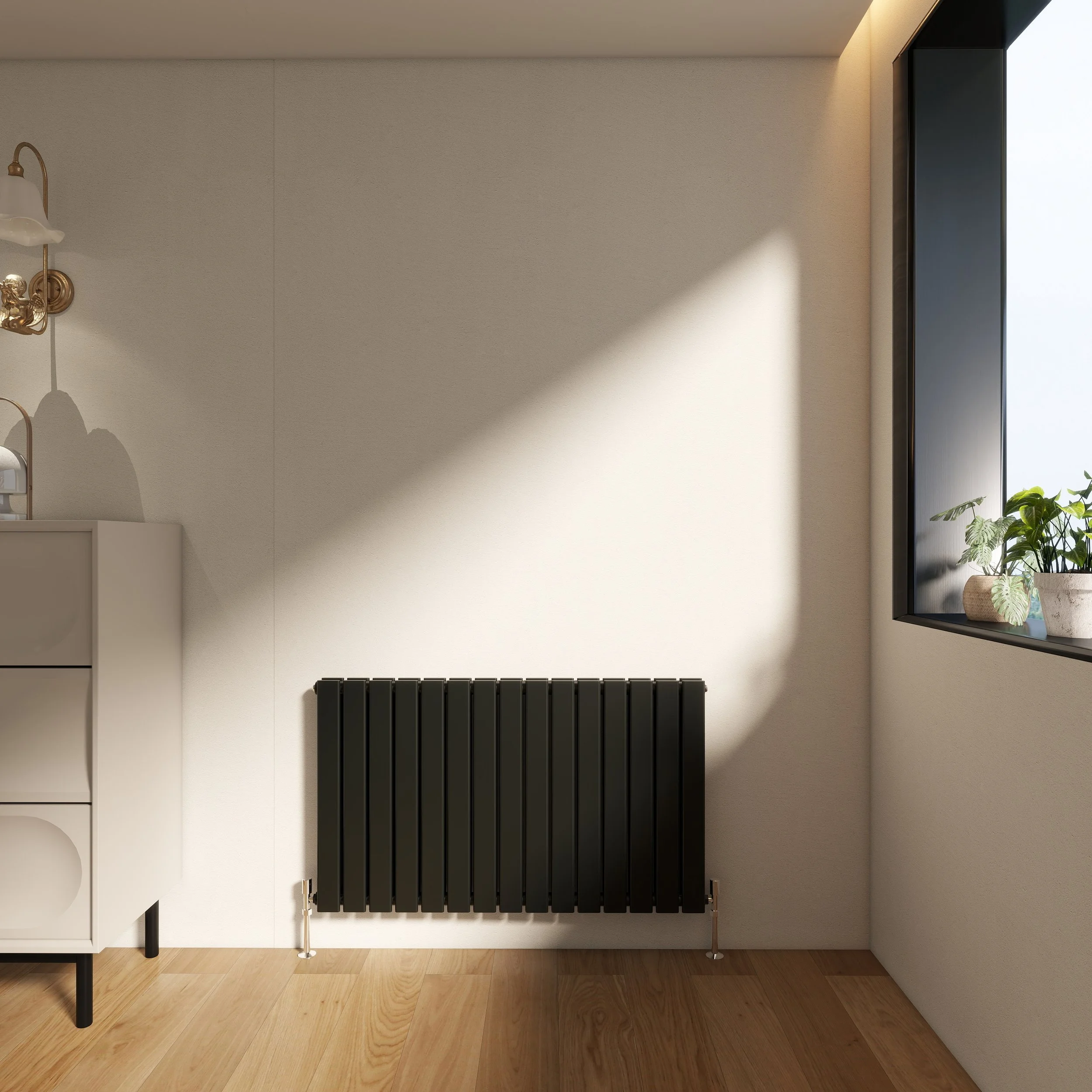 Image 38 of 42
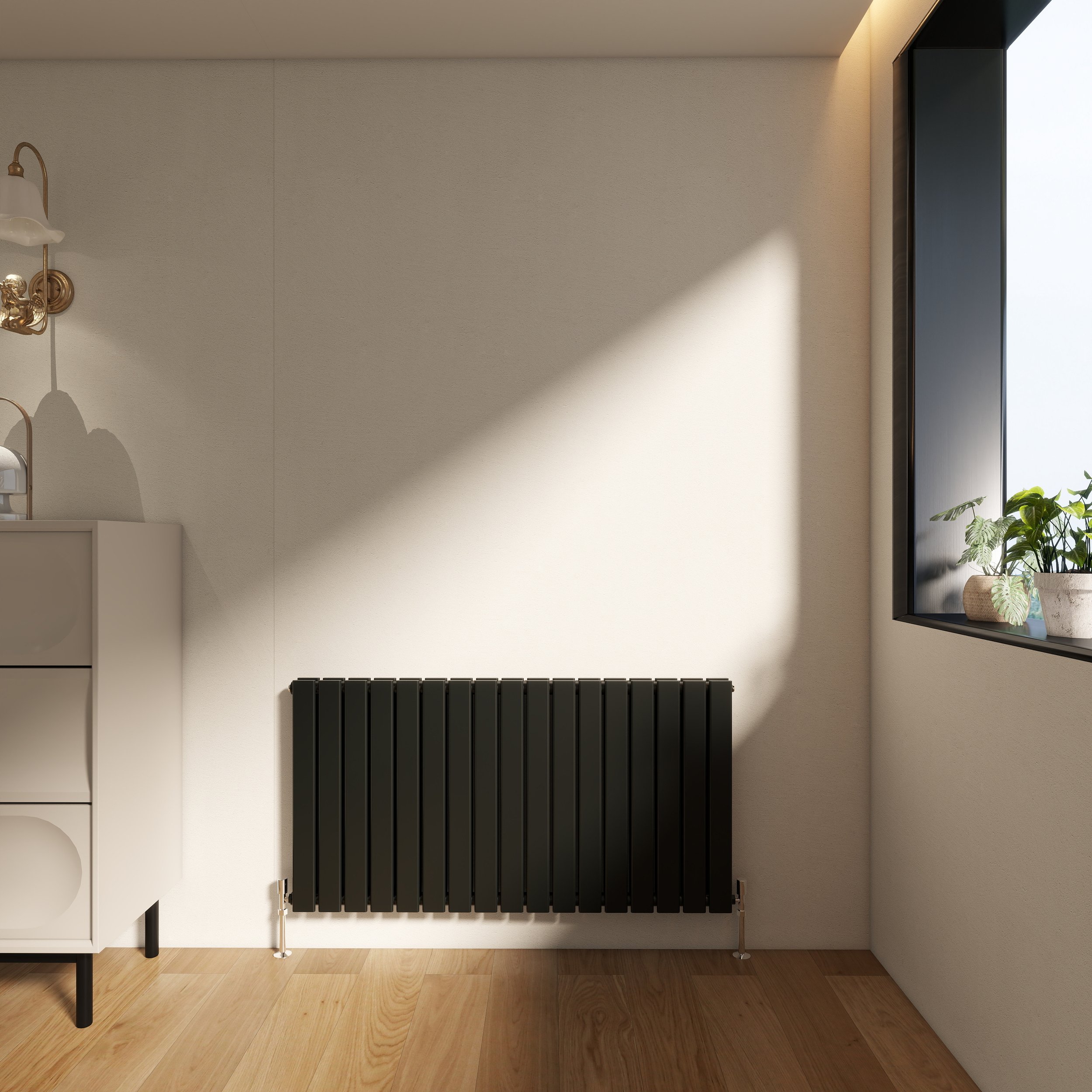 Image 39 of 42
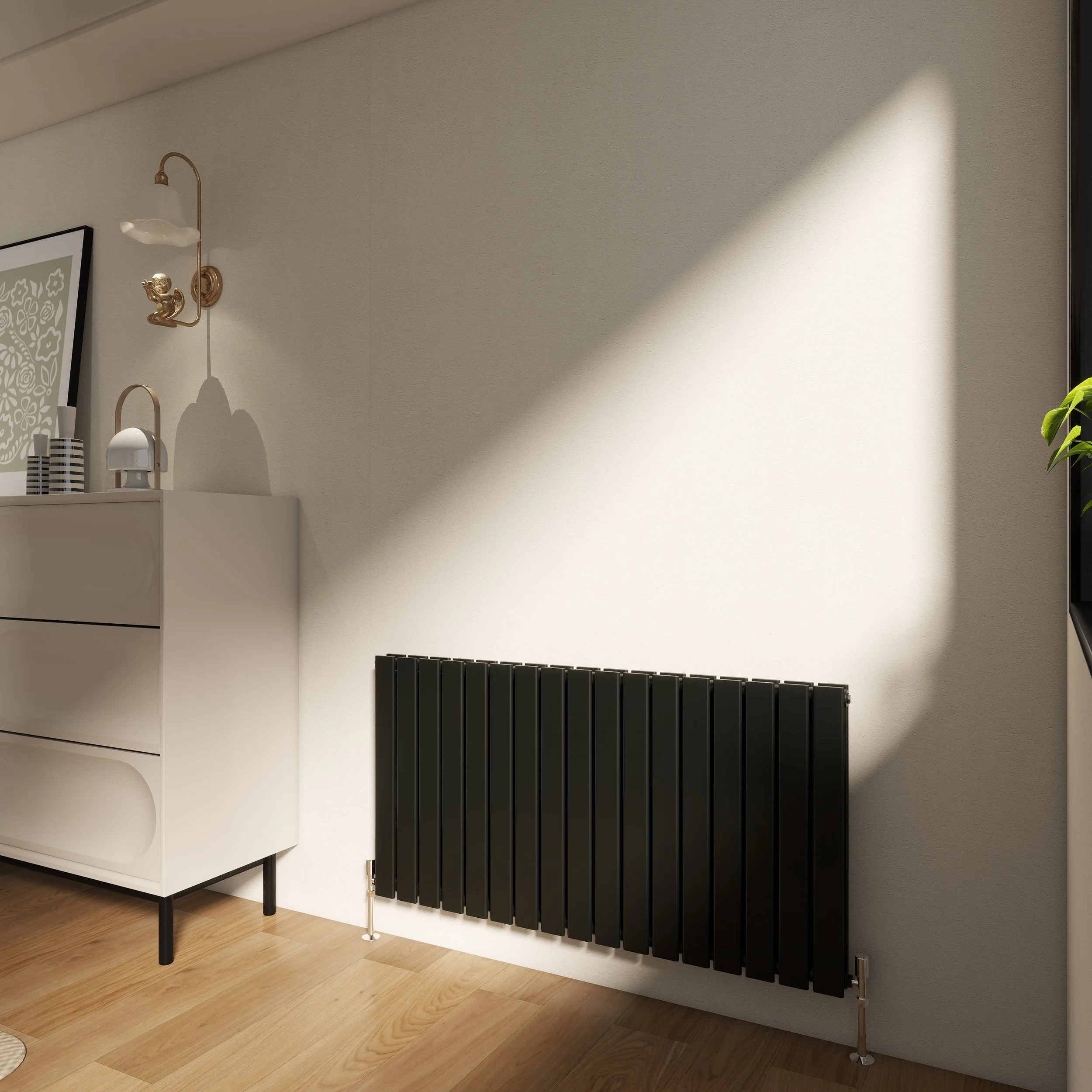 Image 40 of 42
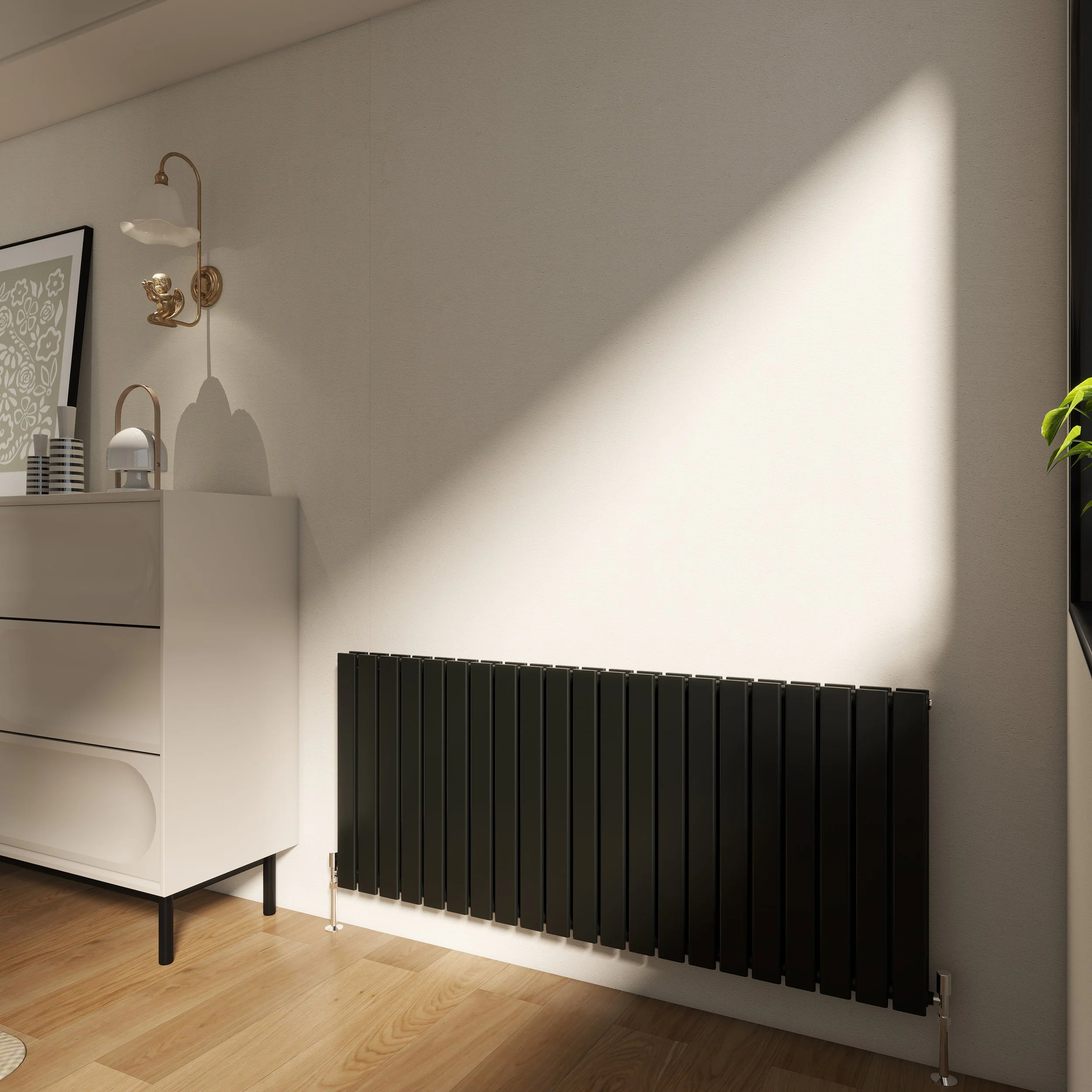 Image 41 of 42
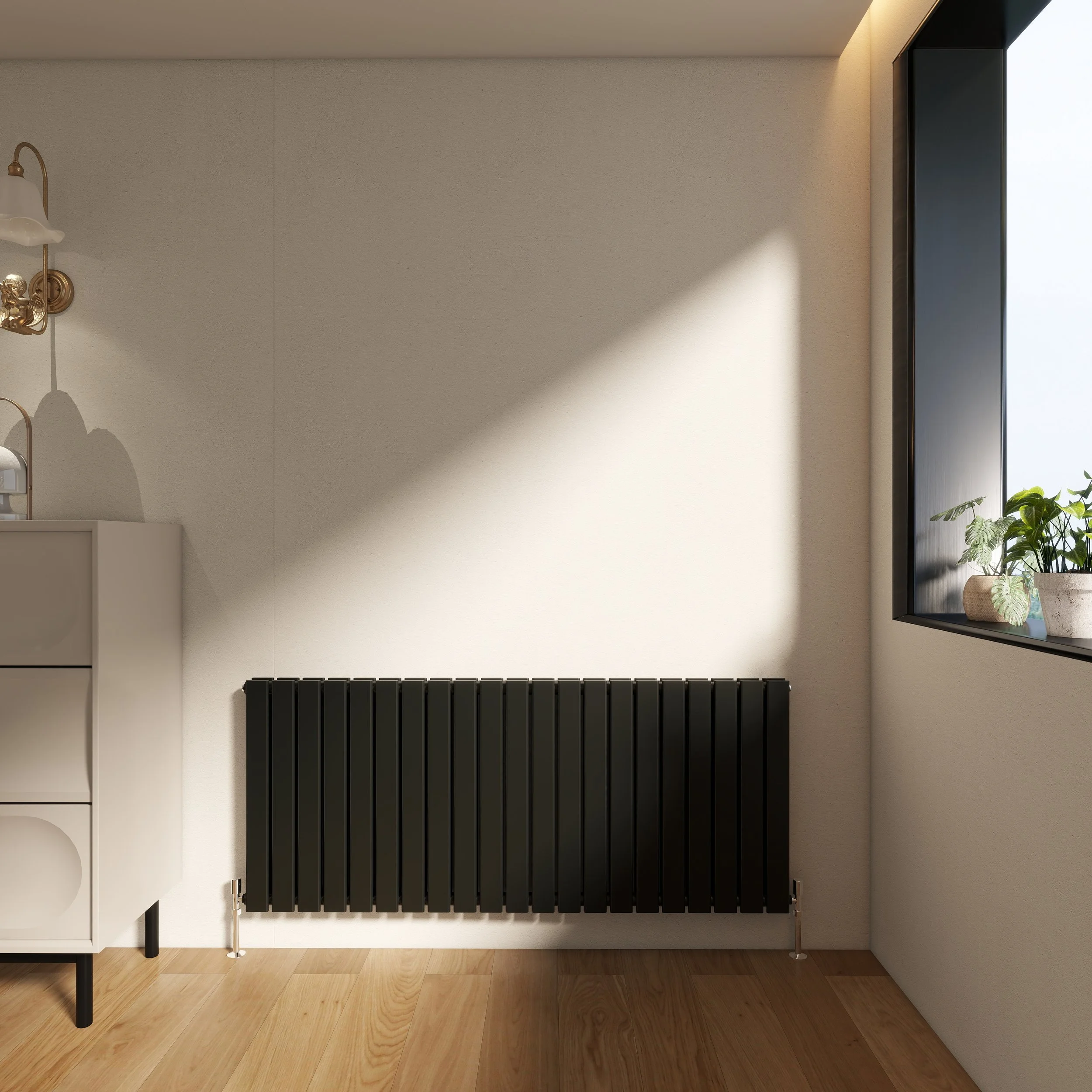 Image 42 of 42