Horizontal Single Flat Panel Radiators
Overview A horizontal single flat panel radiator is a low-profile heating unit designed to mount horizontally on a wall. It features a single, flat front panel with internal convector fins that transfer heat from hot water to the room. These radiators are a popular choice for modern interiors due to their clean lines, compact depth, and efficient performance in standard residential and light-commercial spaces.
Key features
Slim, contemporary design: The flat front panel creates a minimalist look that blends well with modern decor.
Compact depth: Shallow profile allows installation in rooms where space is limited or where furniture needs to be placed close to the wall.
Horizontal orientation: Longer width and lower height distribute heat along a wall, making them suitable under windows or along seating areas.
Single panel with convector fins: Provides effective heat output for typical room sizes while keeping material and cost requirements lower than double-panel units.
Multiple sizes and outputs: Available in a range of widths and heights to match room dimensions and heating load requirements.
Performance and selection considerations
Heat output (BTU or Watts): Choose a size with rated output that meets the room’s heat loss calculation. Outputs are typically listed for standard test conditions; real-world performance varies with system water temperature and room conditions.
Placement: Installing horizontally beneath windows helps counter cold downdrafts and makes efficient use of wall space. Ensure sufficient clearance from floor and furniture per installation guidelines to maintain airflow and heat distribution.
Pipe connections: Check available connection options (center, corner, bottom) to match existing pipework or plan for adaptors/pipe routing.
TRV compatibility: Most horizontal single flat panel radiators accept thermostatic radiator valves (TRVs) for individual room temperature control.
Advantages
Aesthetic versatility: Flat, unobtrusive appearance complements contemporary interiors.
Space-efficient: Slim depth minimizes intrusion into living space.
Cost-effective: Single panel units generally cost less and use less material than multi-panel alternatives while delivering adequate heat for many rooms.
Easy to fit: Common sizes and standard connection patterns make installation straightforward for retrofit or new build projects.
Installation tips
Perform a proper heat loss calculation for each room to size the radiator correctly.
Maintain recommended clearances above the floor and in front of the radiator for effective convection.
Fit a bleed valve at the high point and ensure the system is flushed and balanced after installation.
Use corrosion-resistant fittings and follow manufacturer instructions to preserve warranty.
Typical applications
Bedrooms, studies, and living rooms in apartments and houses
Under-window installations to reduce cold spots
Hallways and circulation spaces where unobtrusive heating is desired
Refurbishments and modern builds seeking a minimalist look

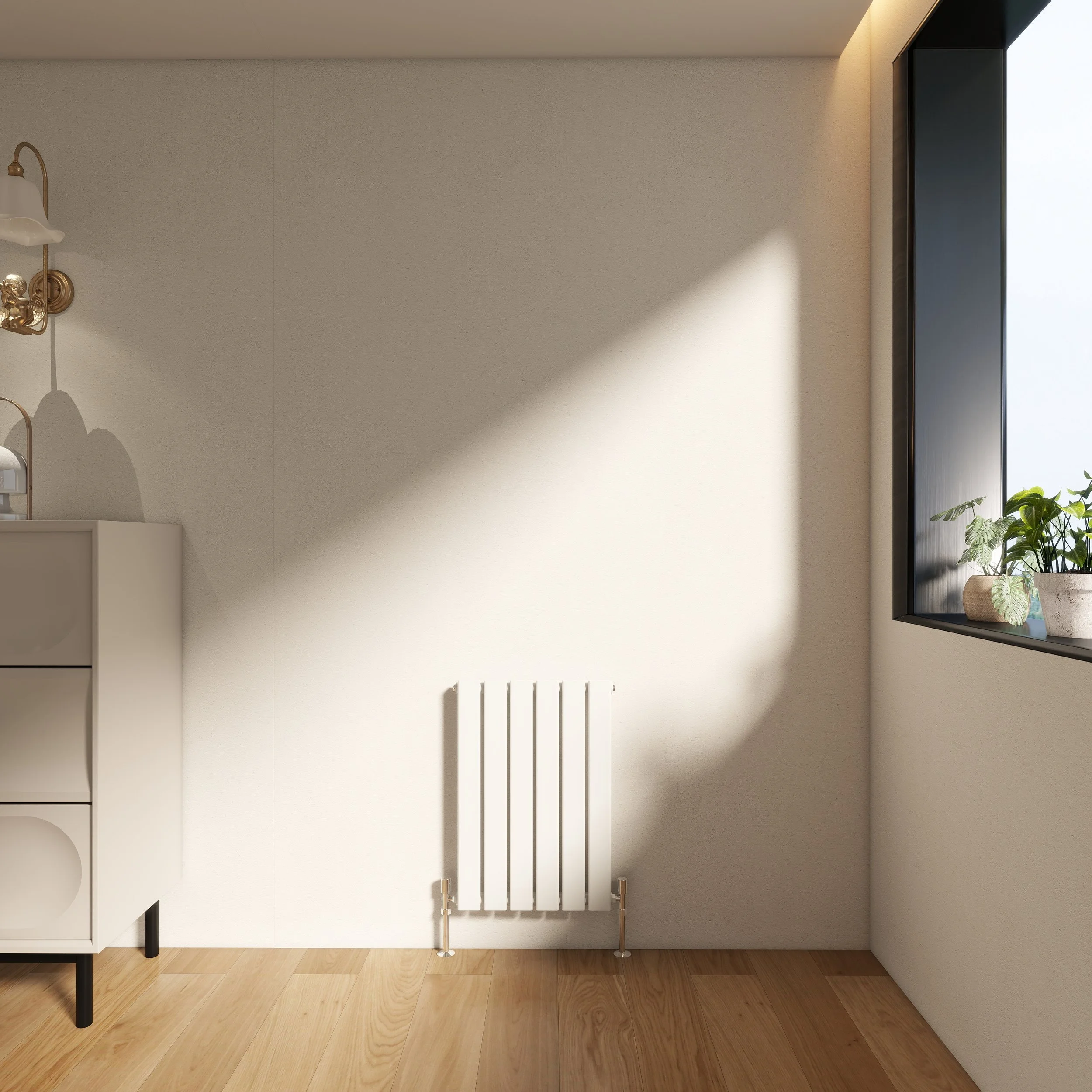 Image 1 of 32
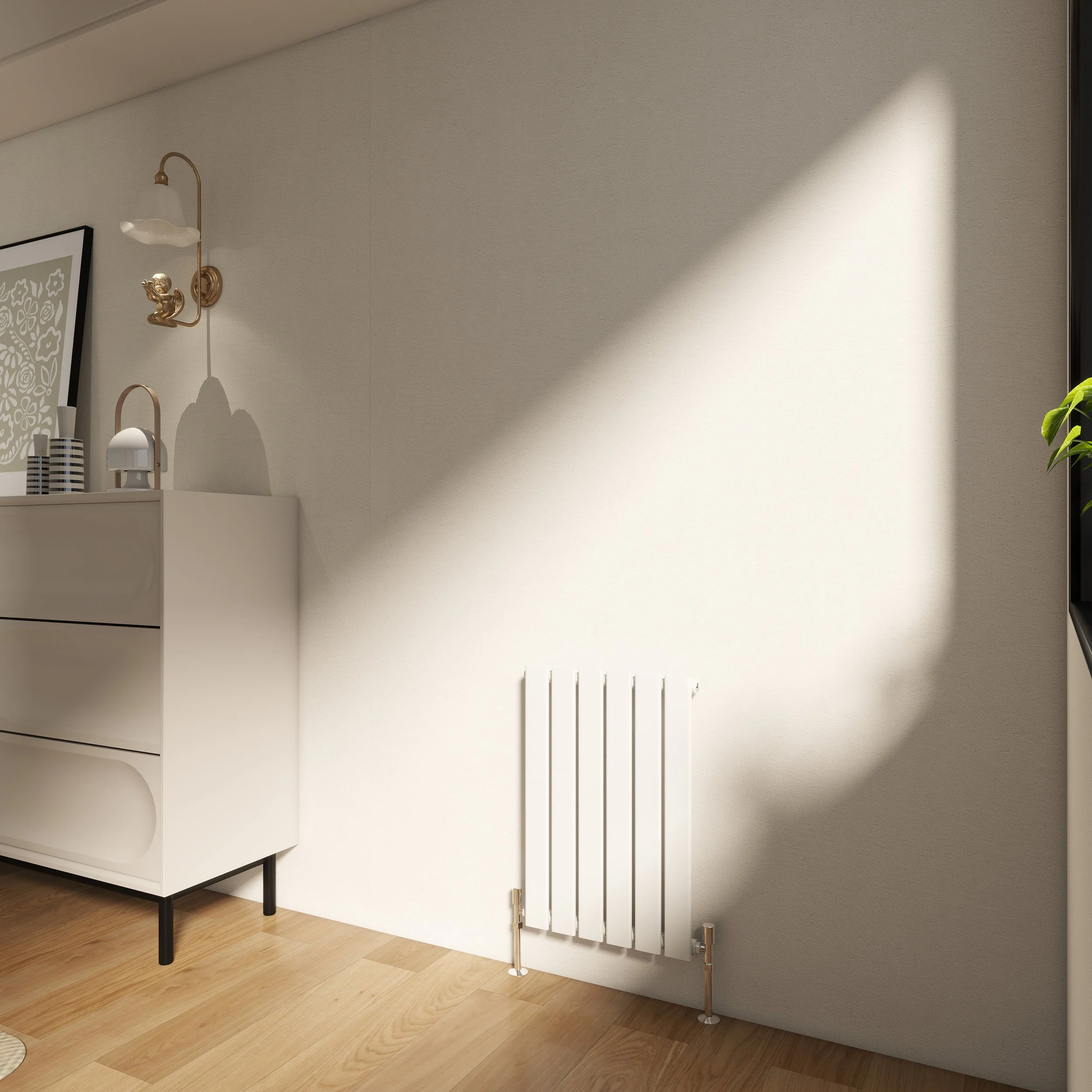 Image 2 of 32
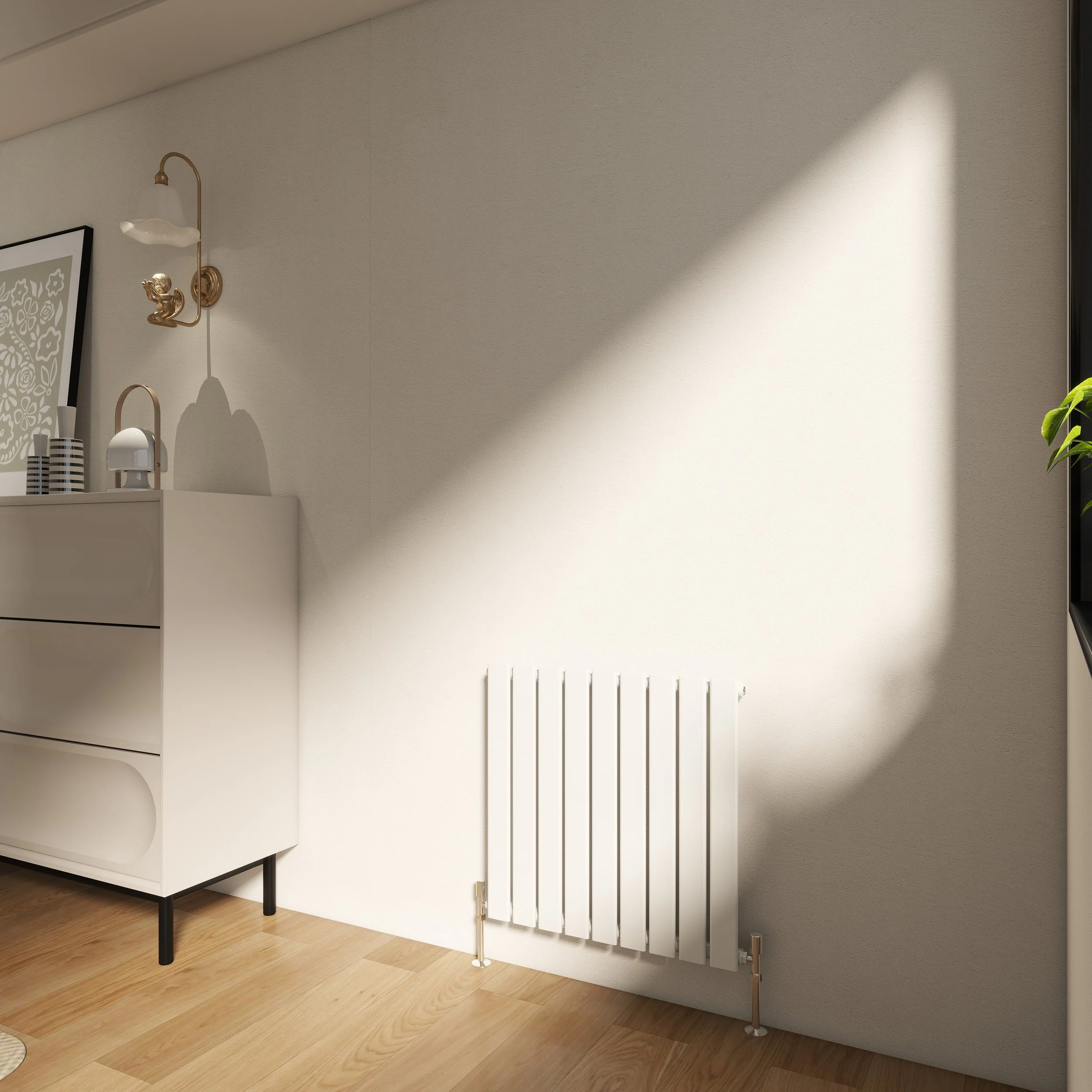 Image 3 of 32
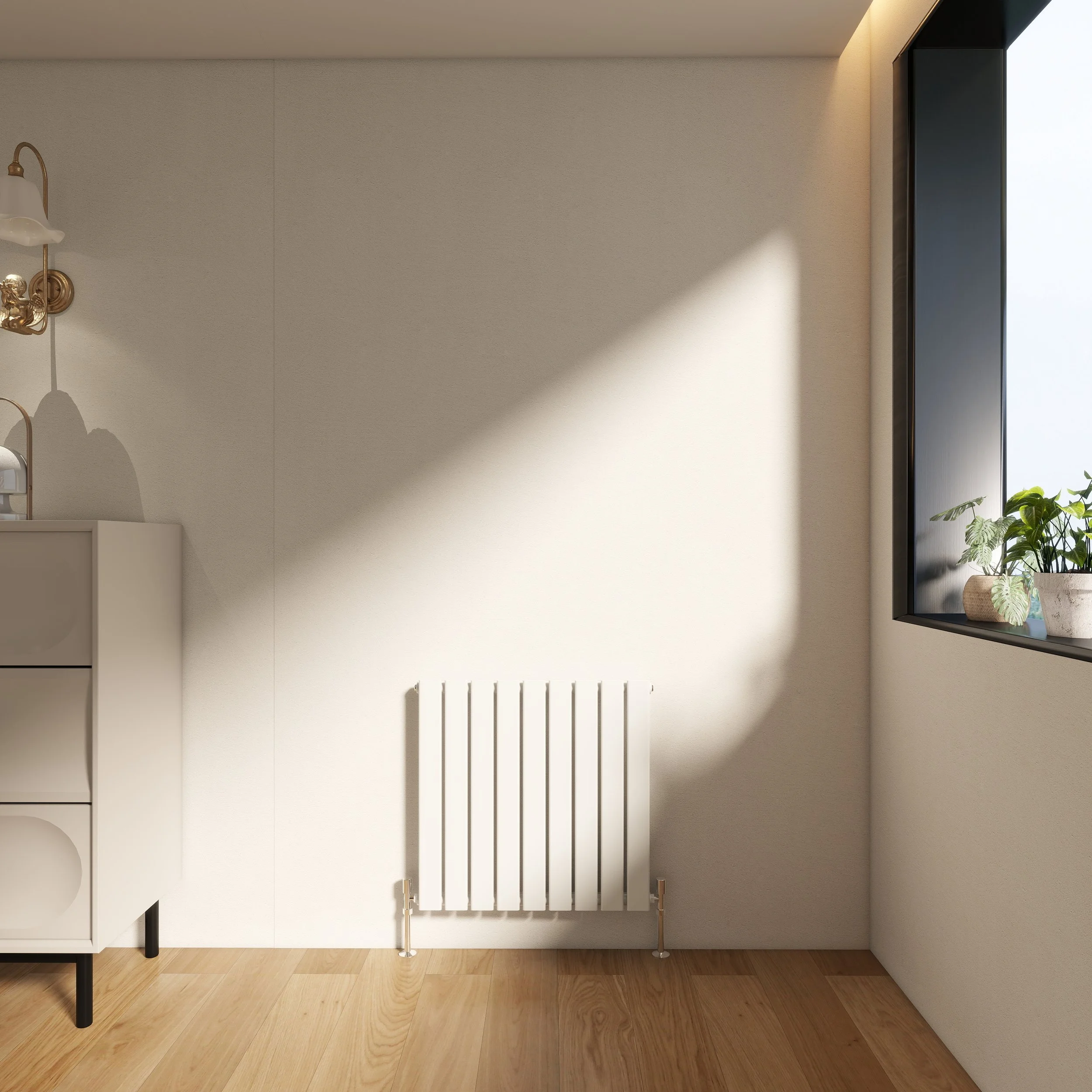 Image 4 of 32
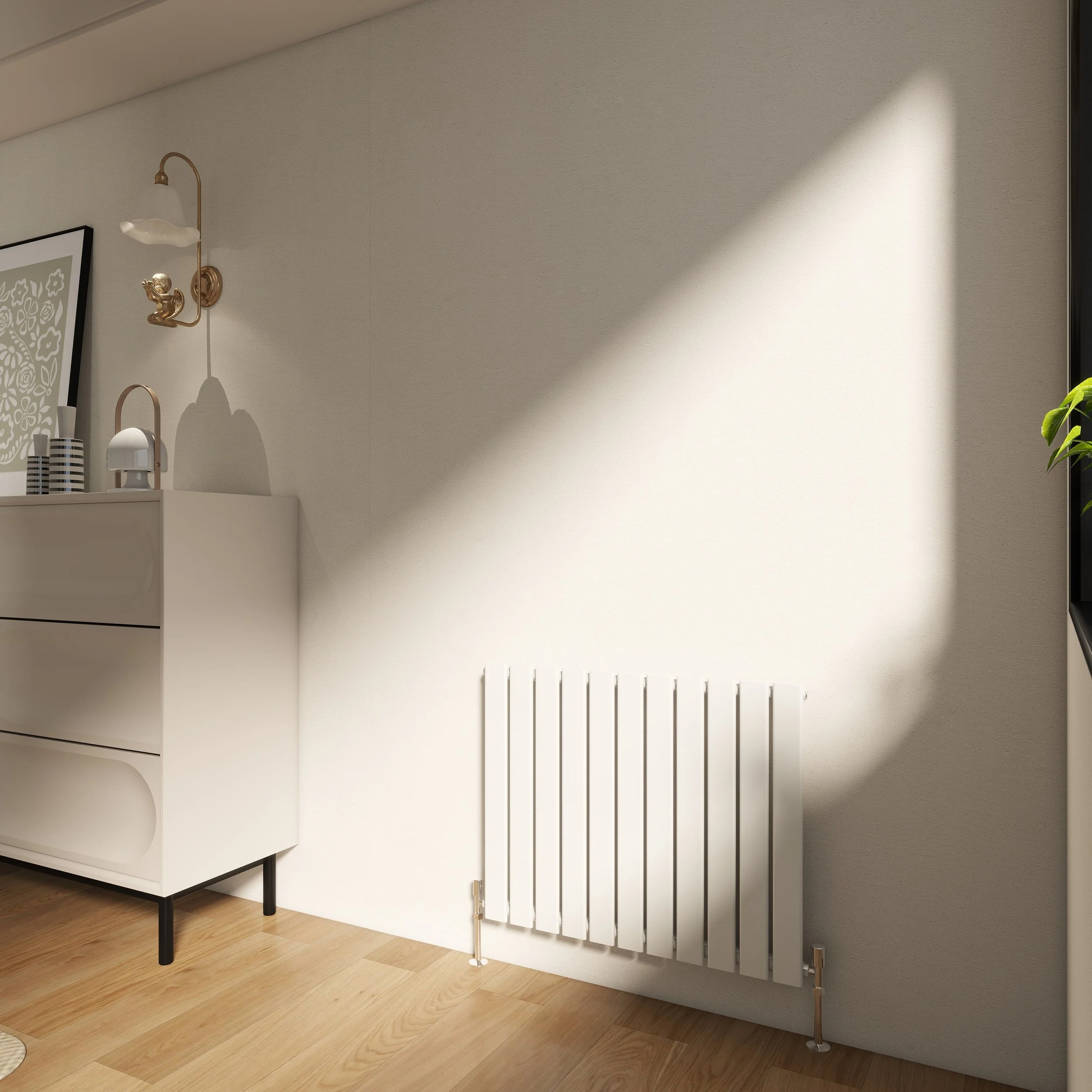 Image 5 of 32
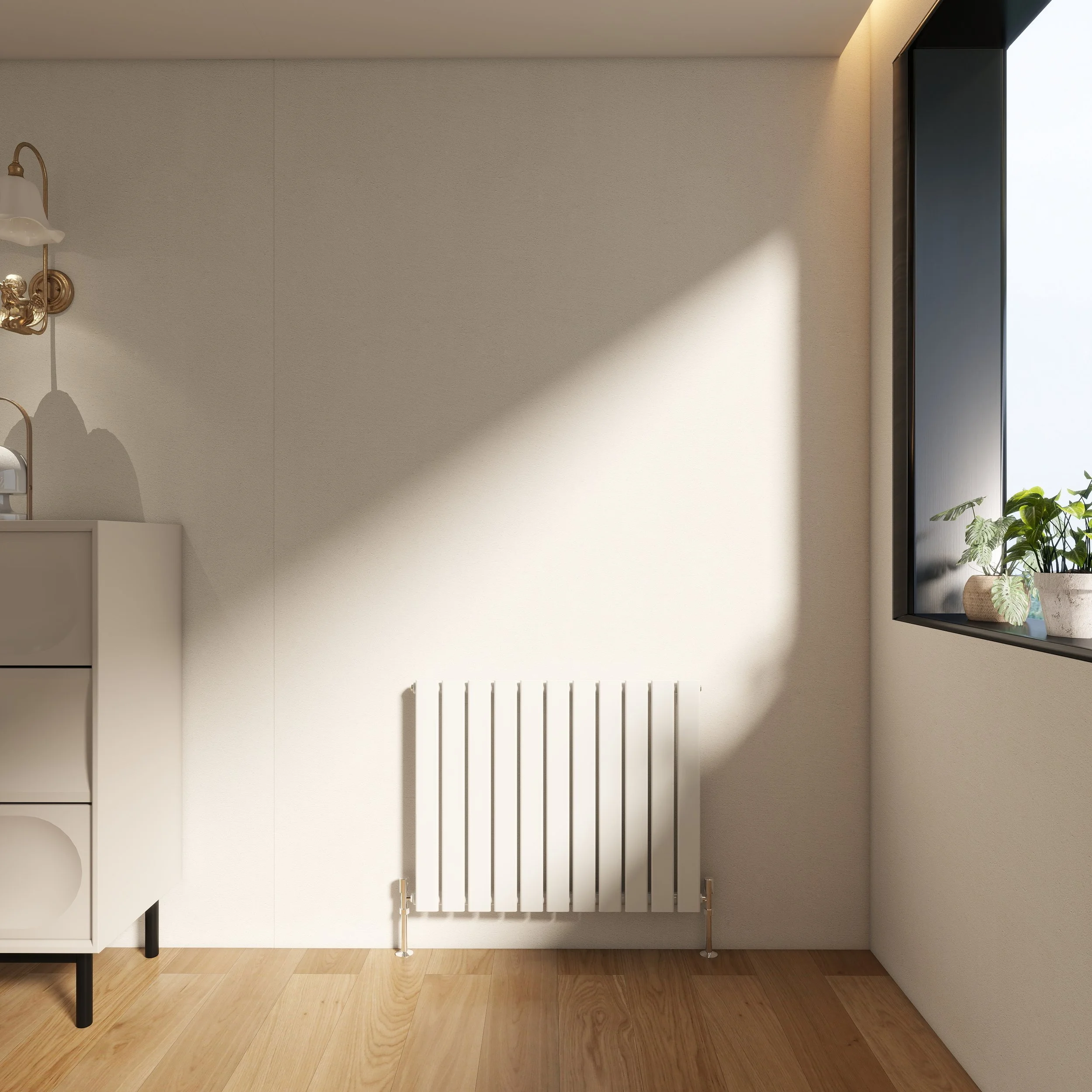 Image 6 of 32
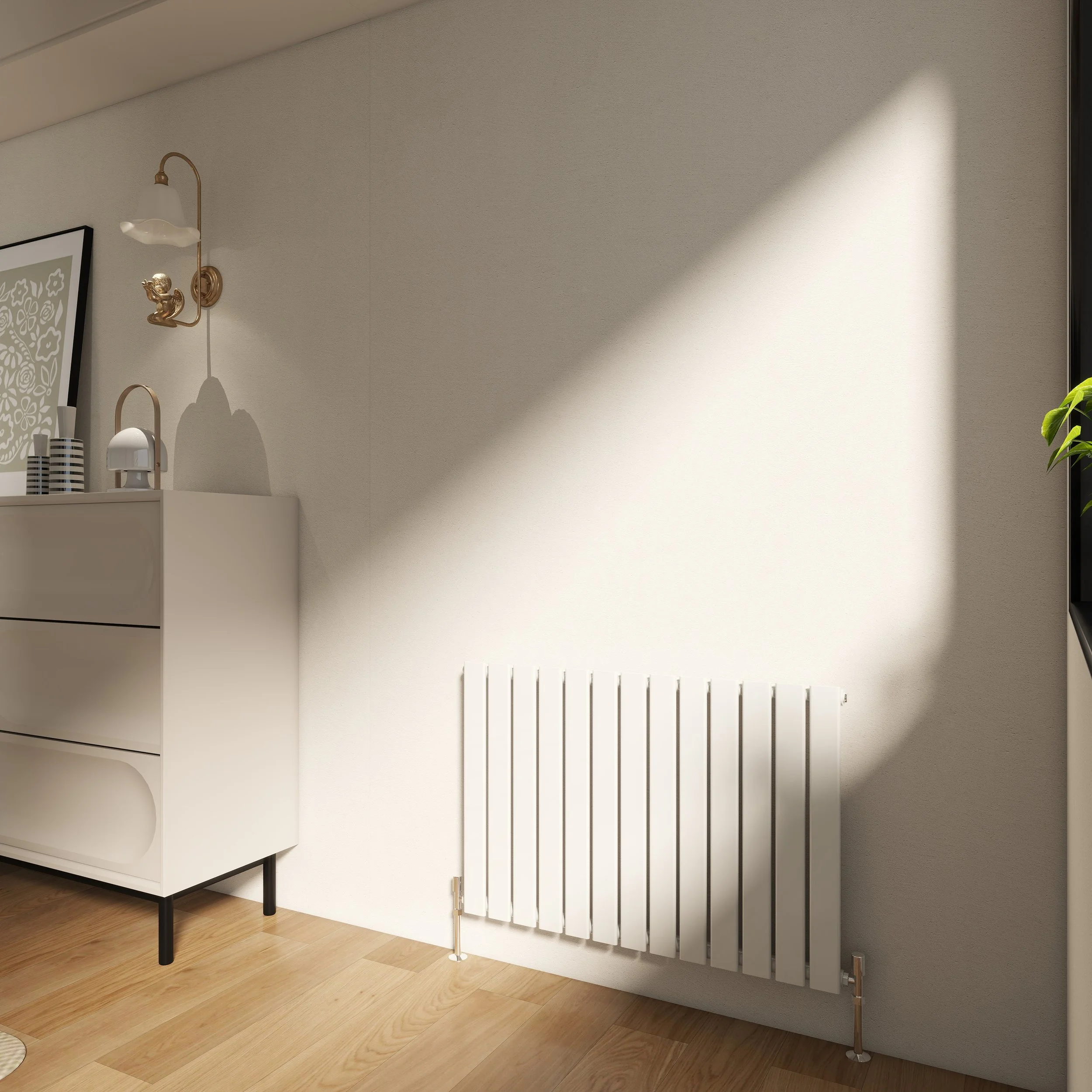 Image 7 of 32
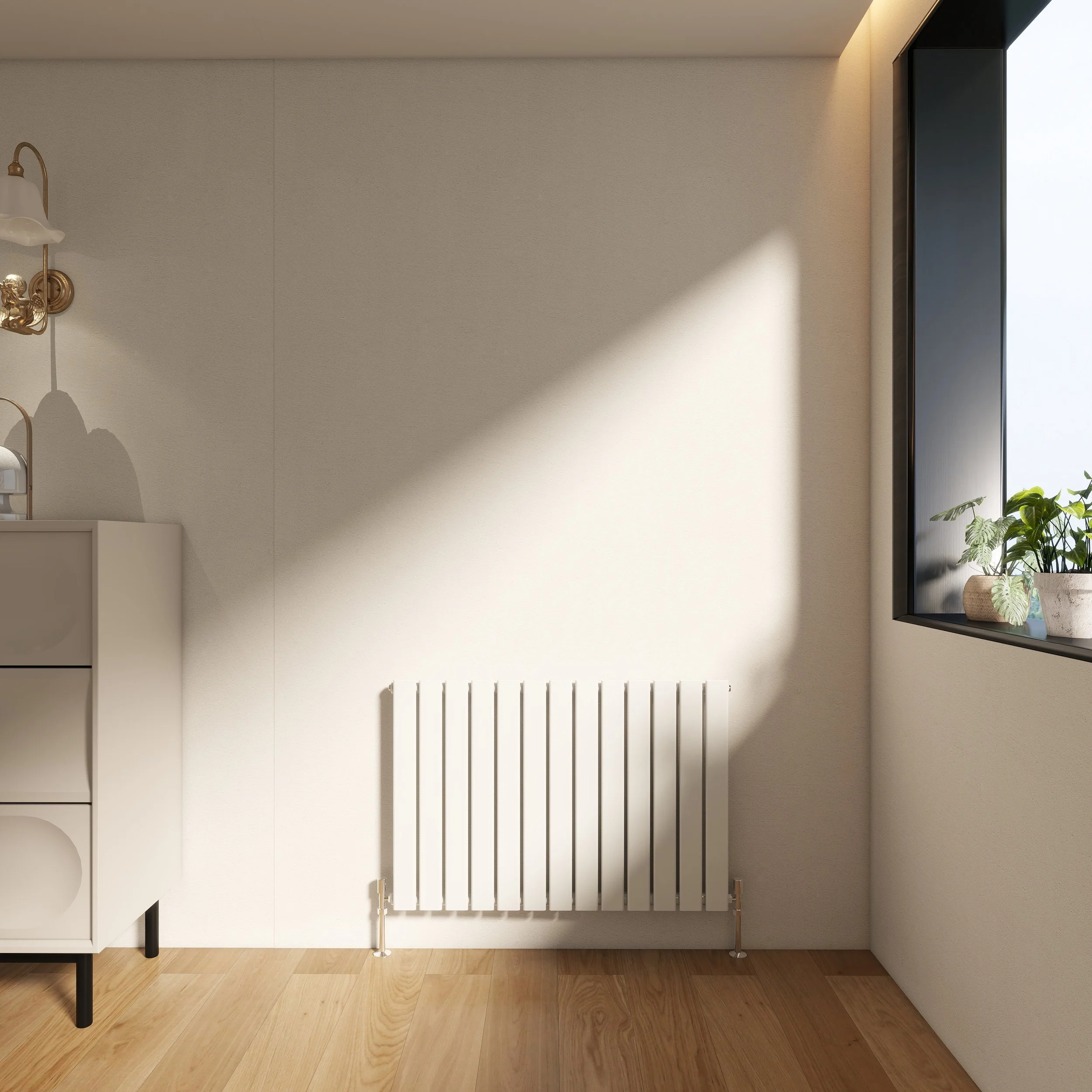 Image 8 of 32
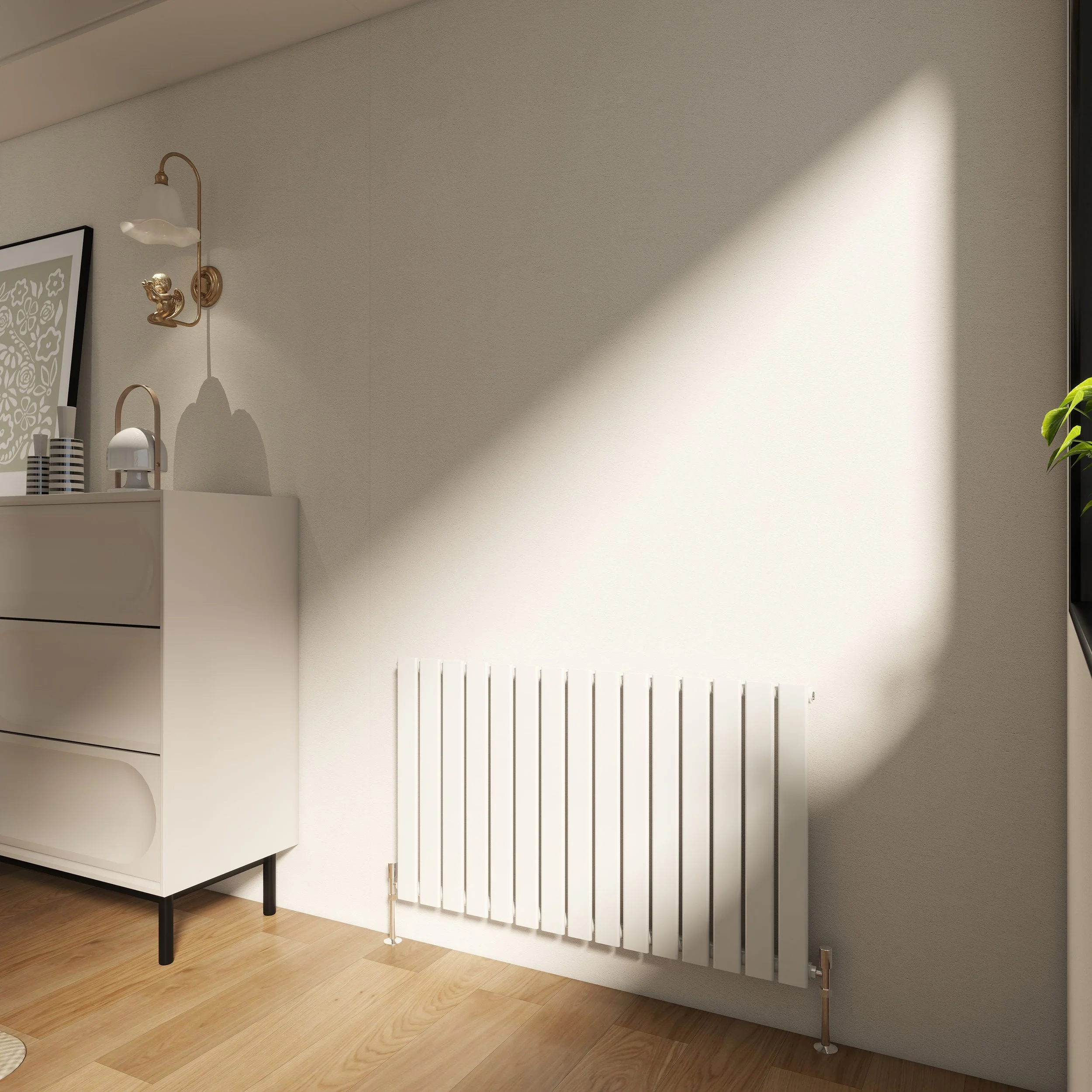 Image 9 of 32
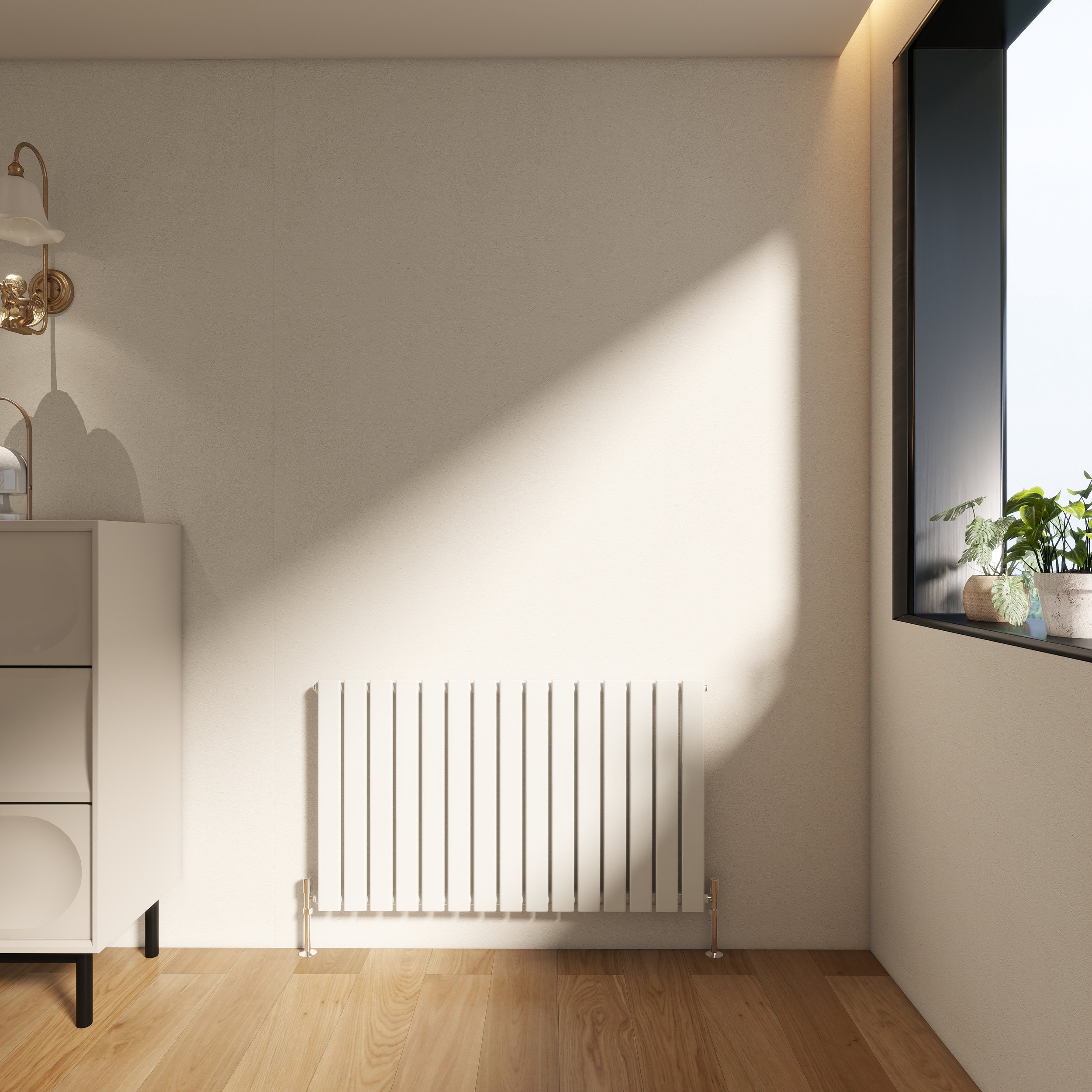 Image 10 of 32
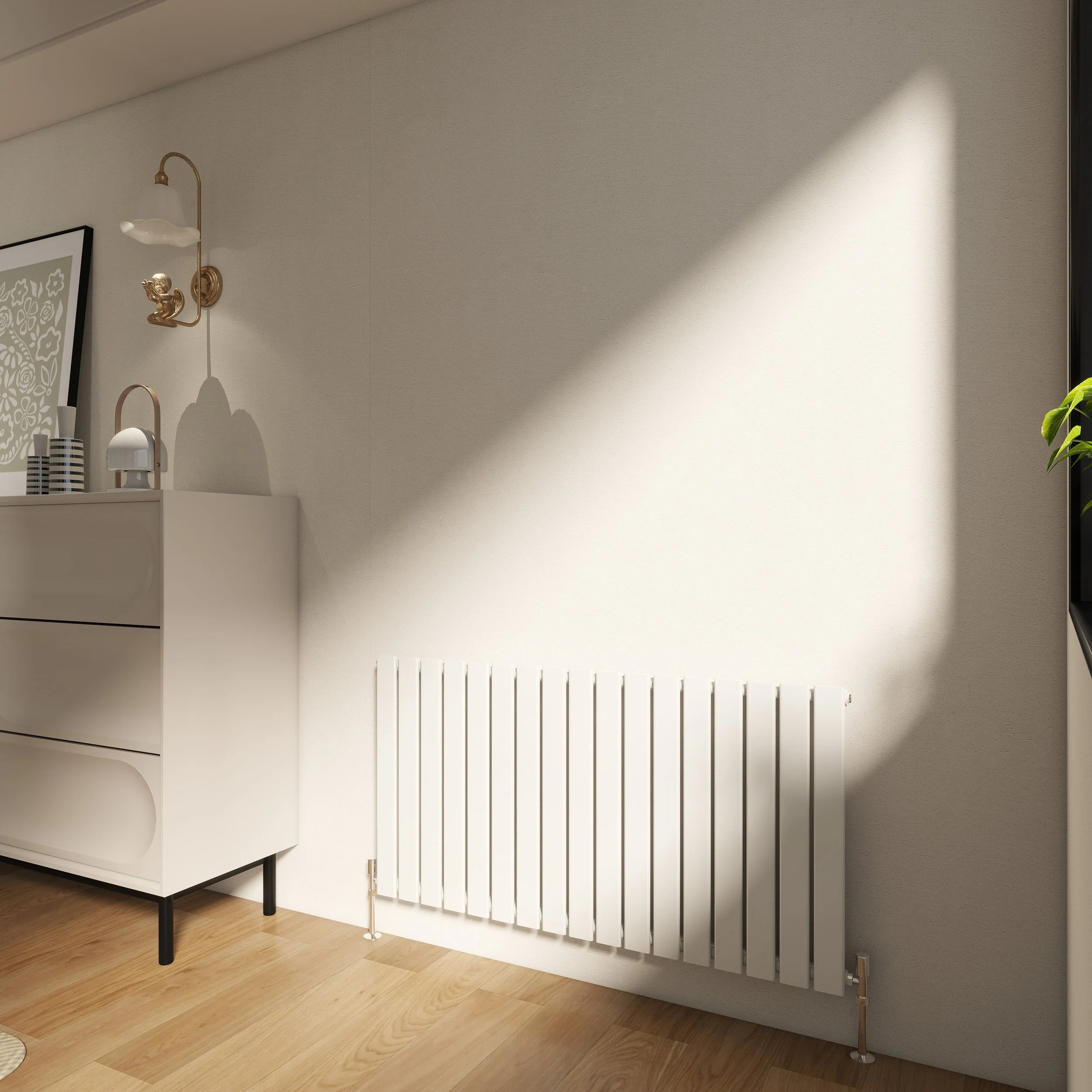 Image 11 of 32
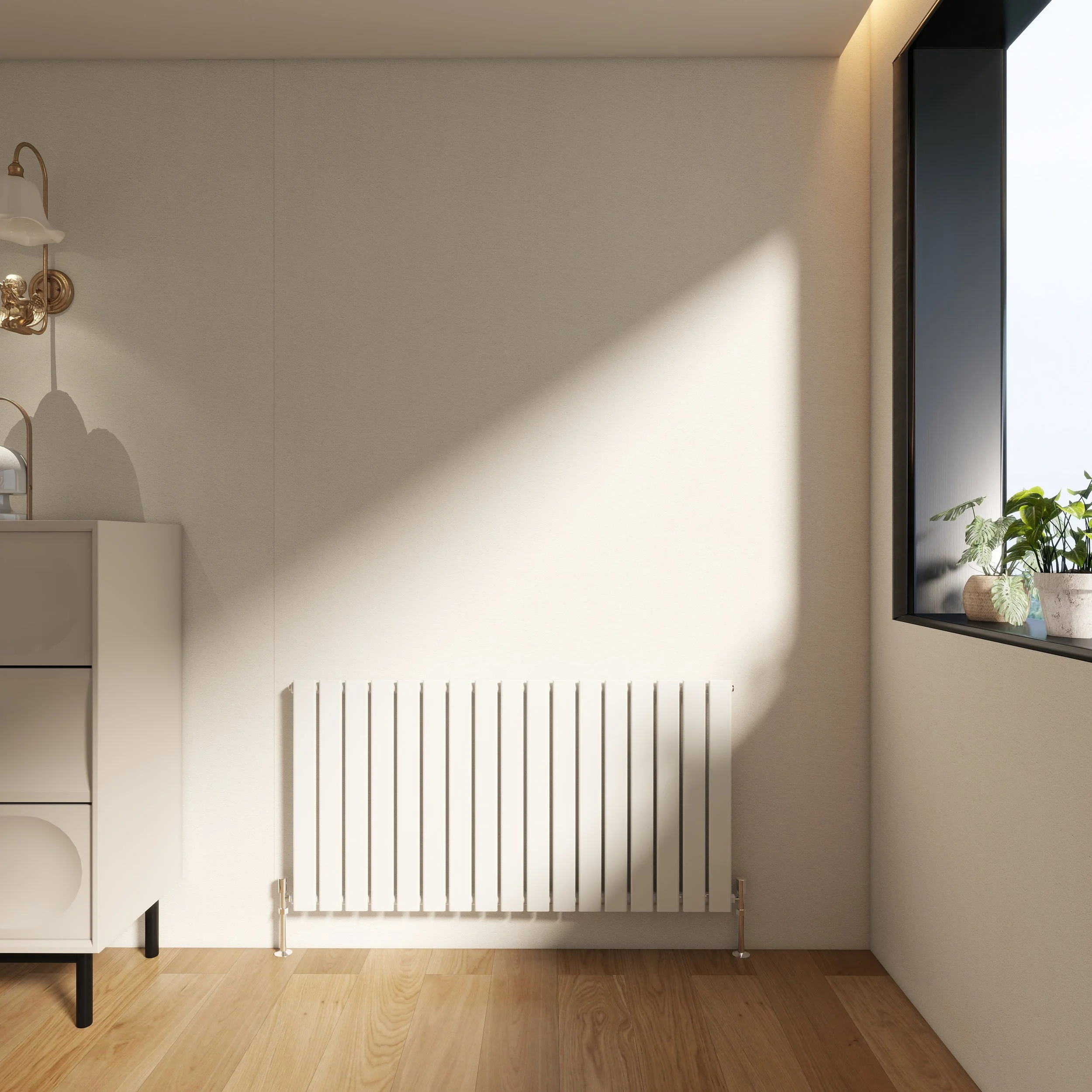 Image 12 of 32
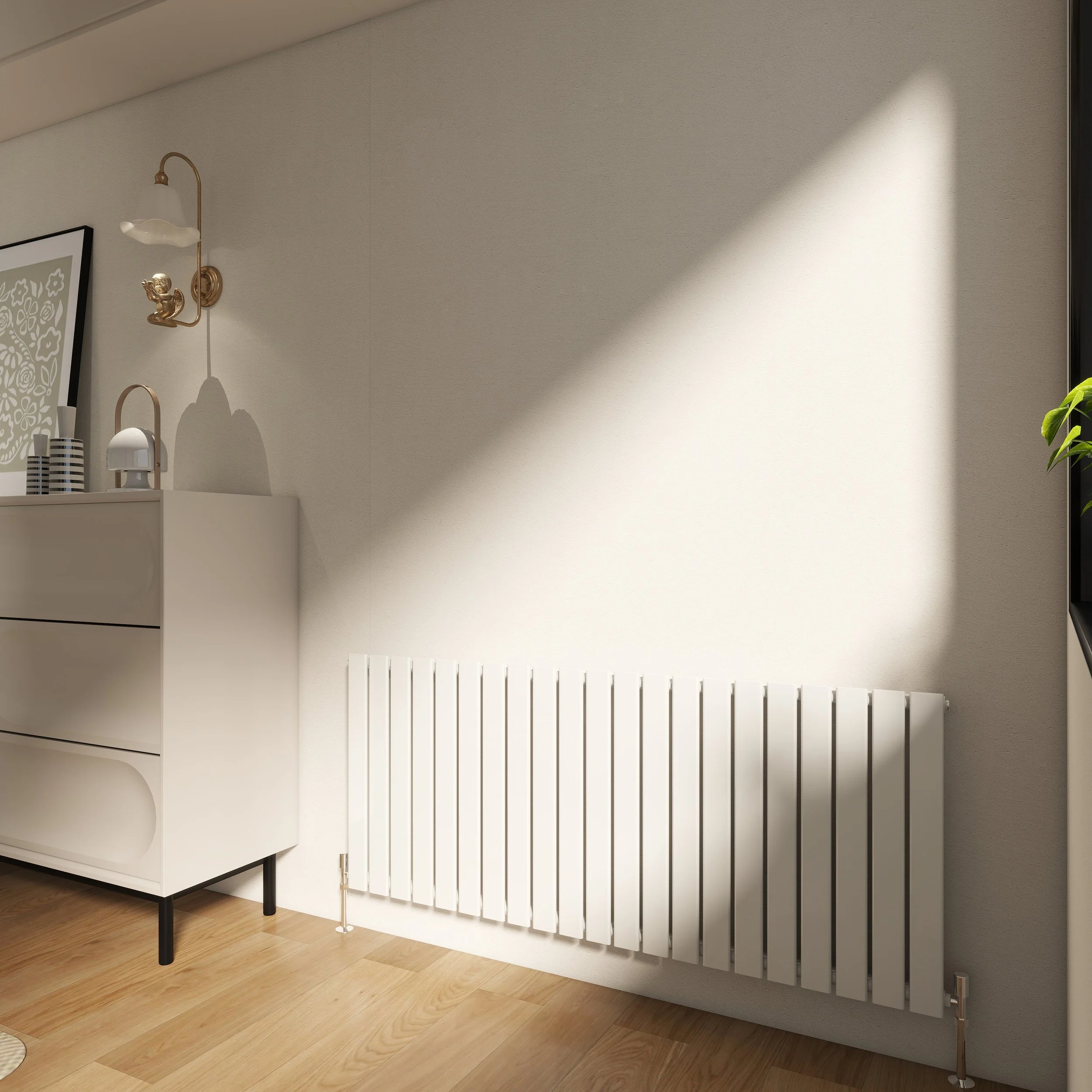 Image 13 of 32
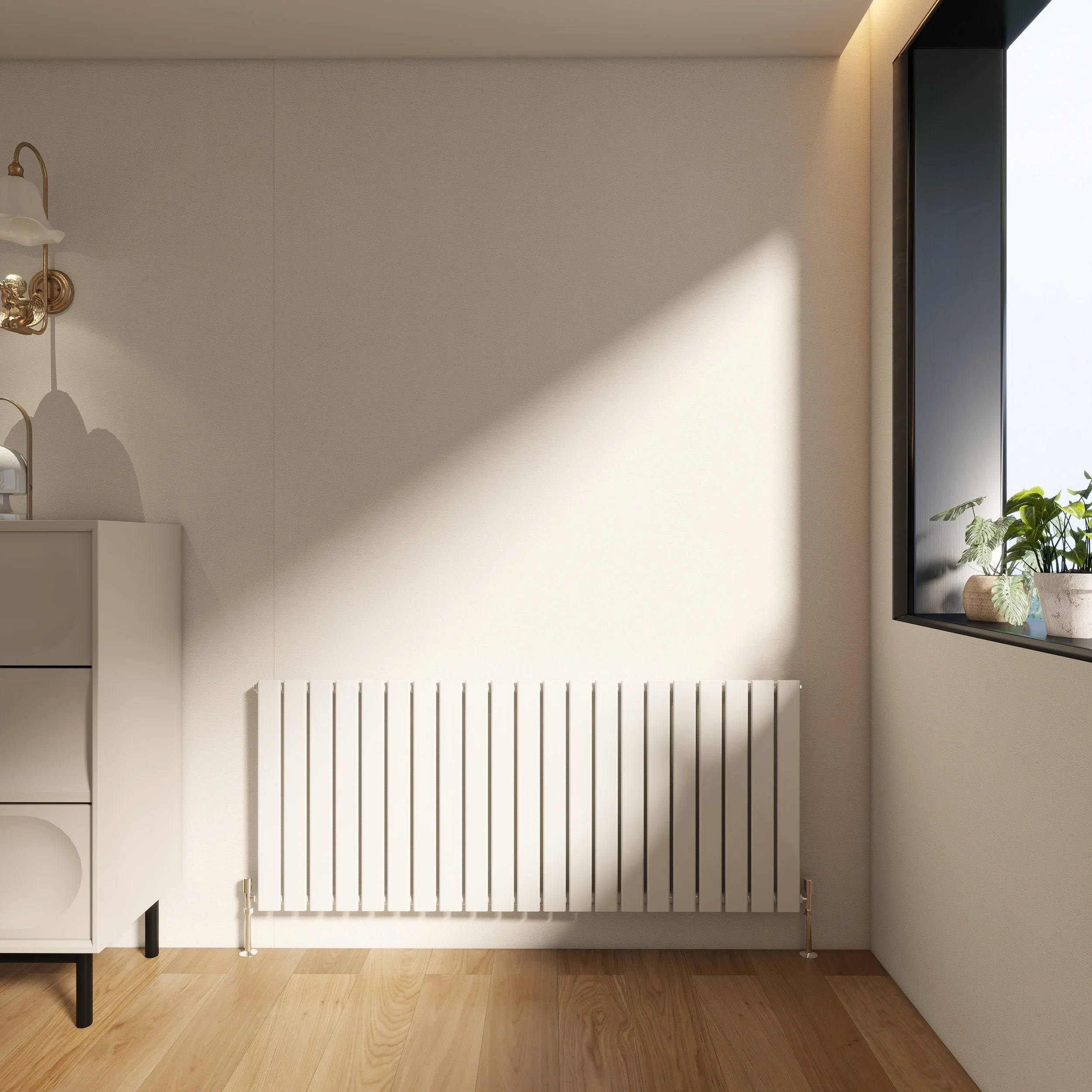 Image 14 of 32
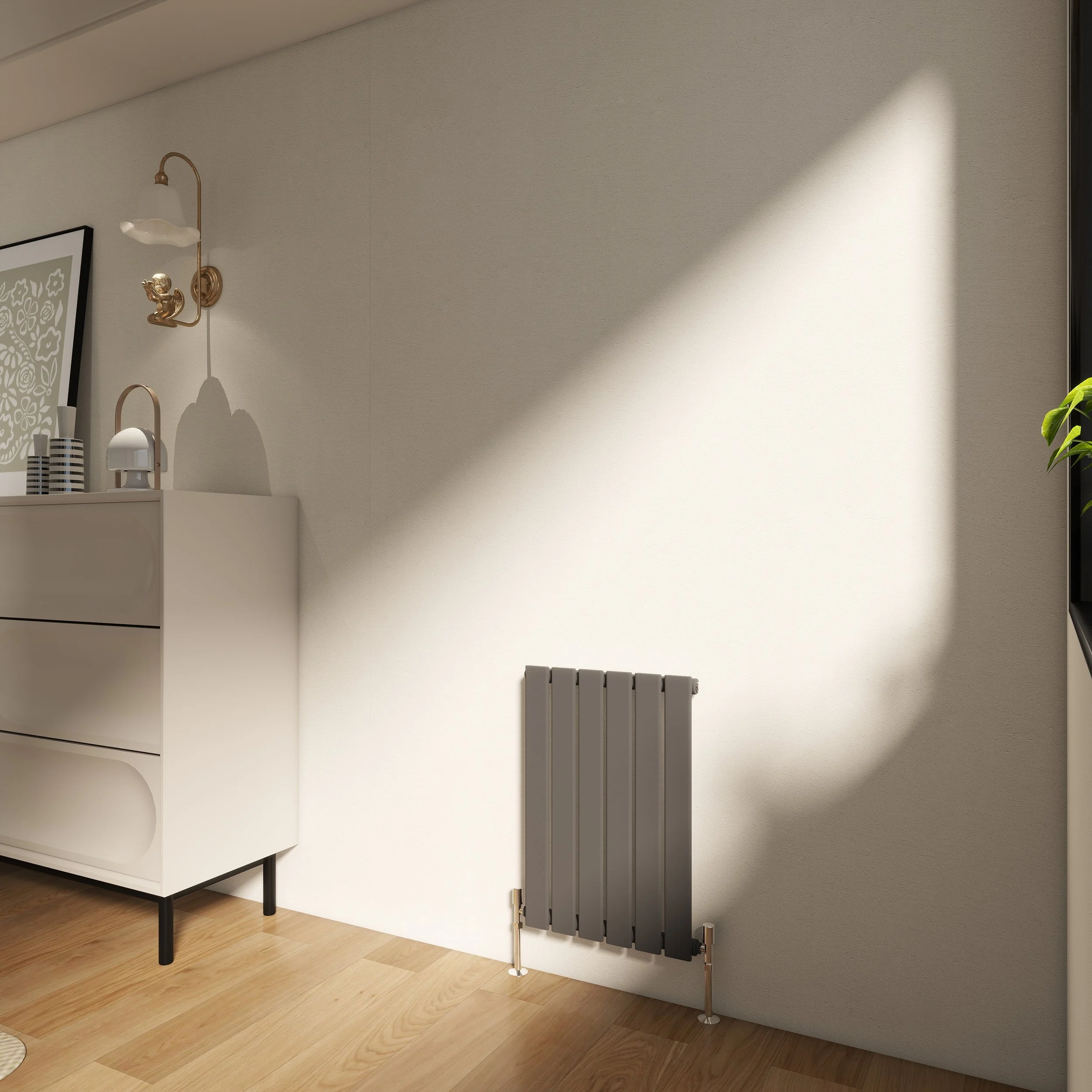 Image 15 of 32
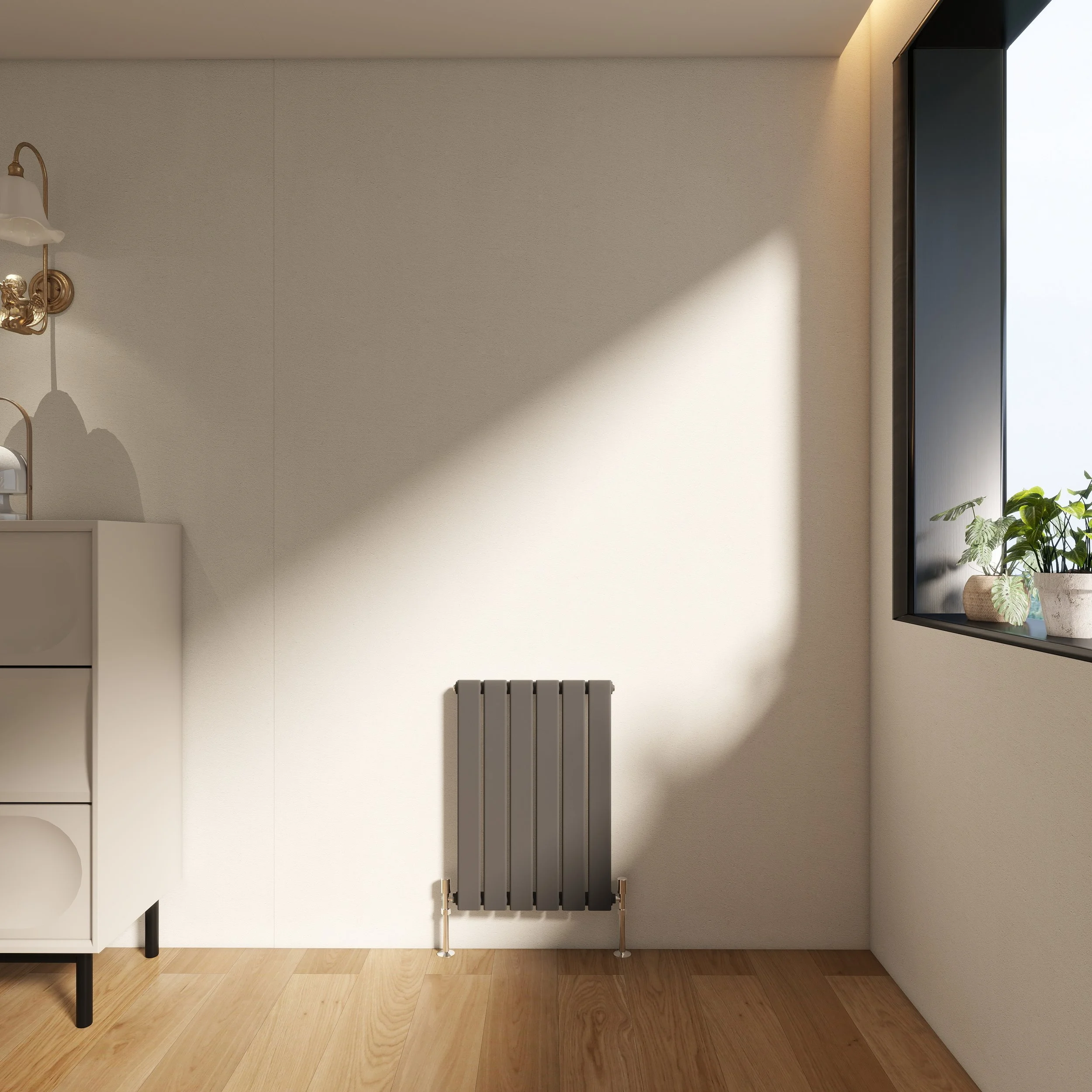 Image 16 of 32
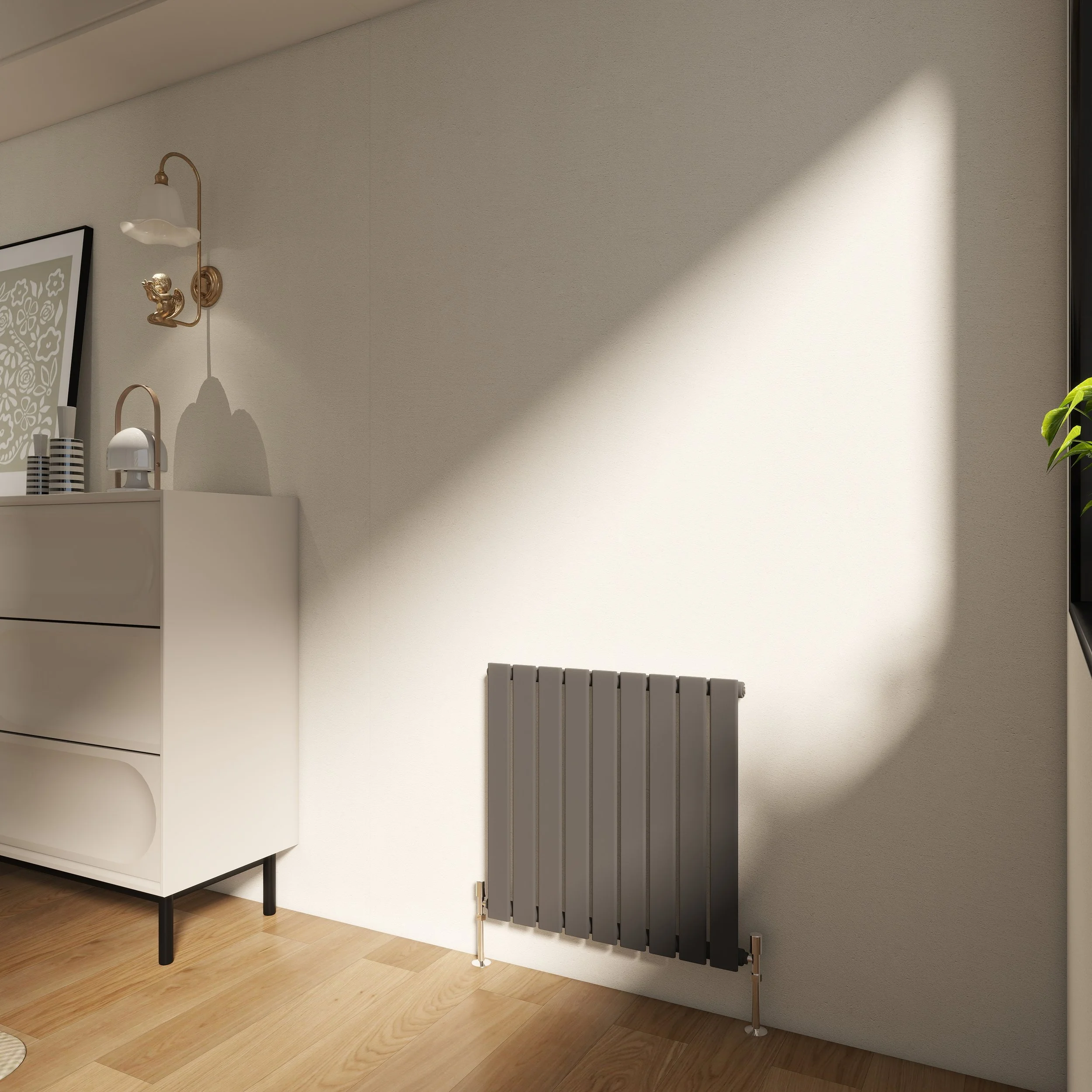 Image 17 of 32
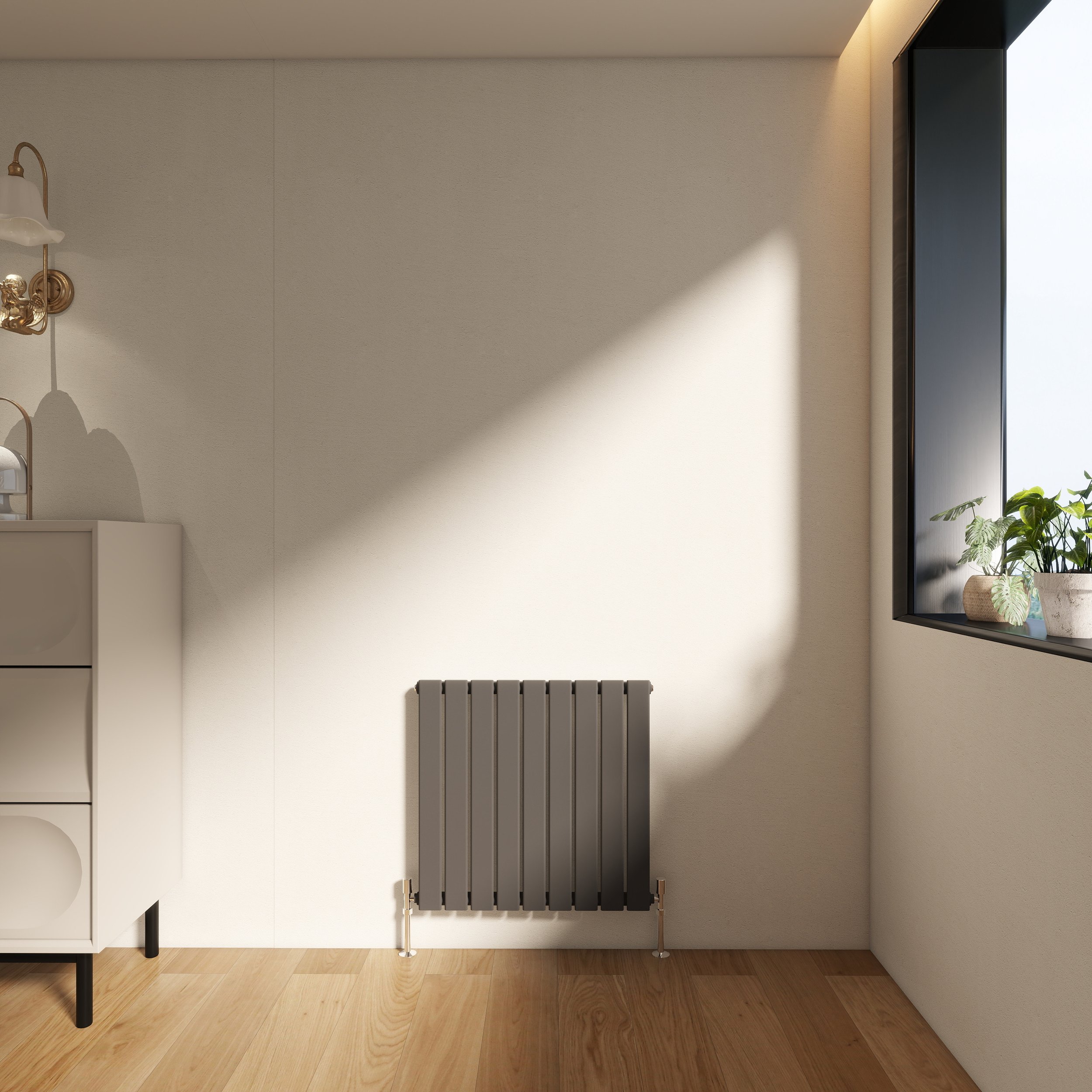 Image 18 of 32
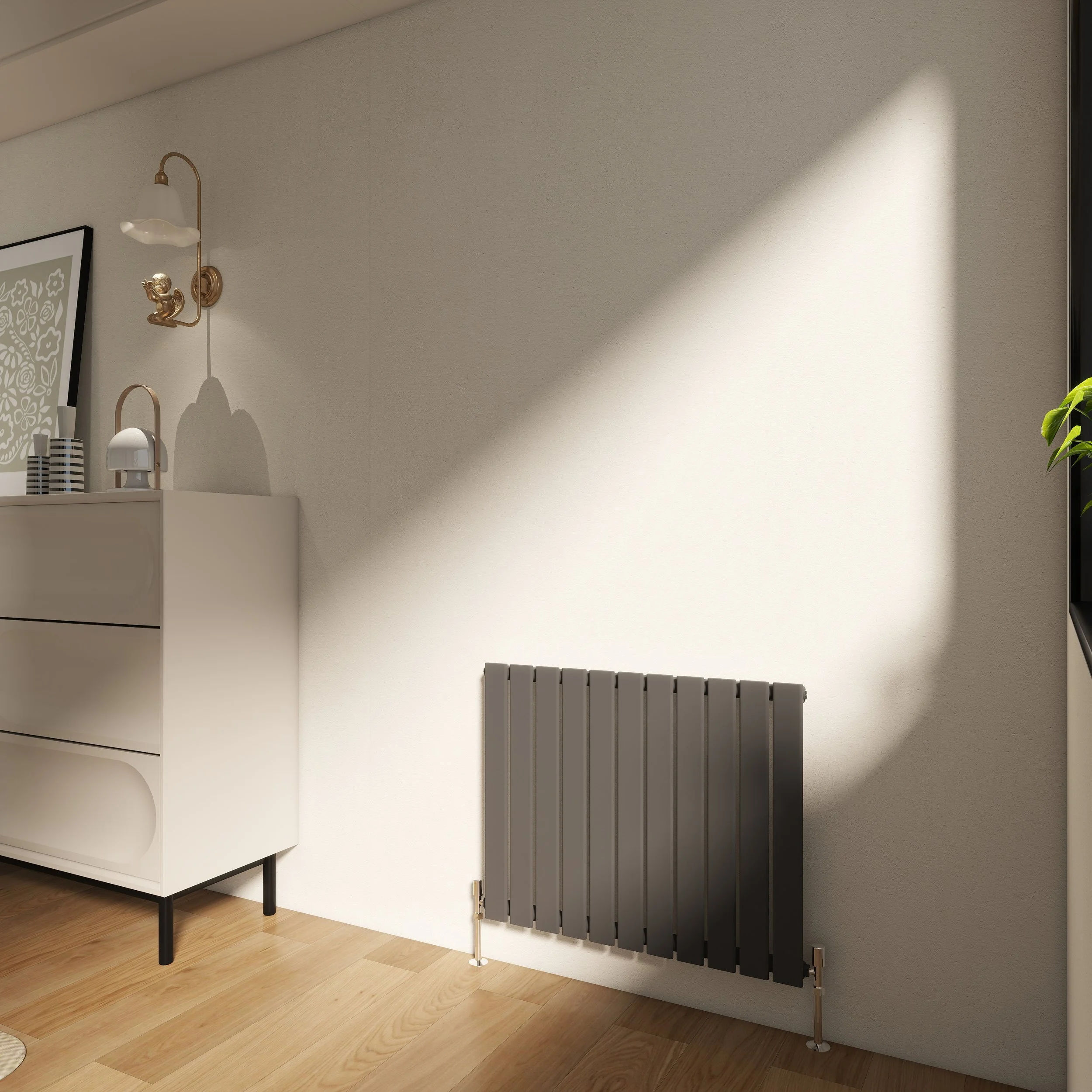 Image 19 of 32
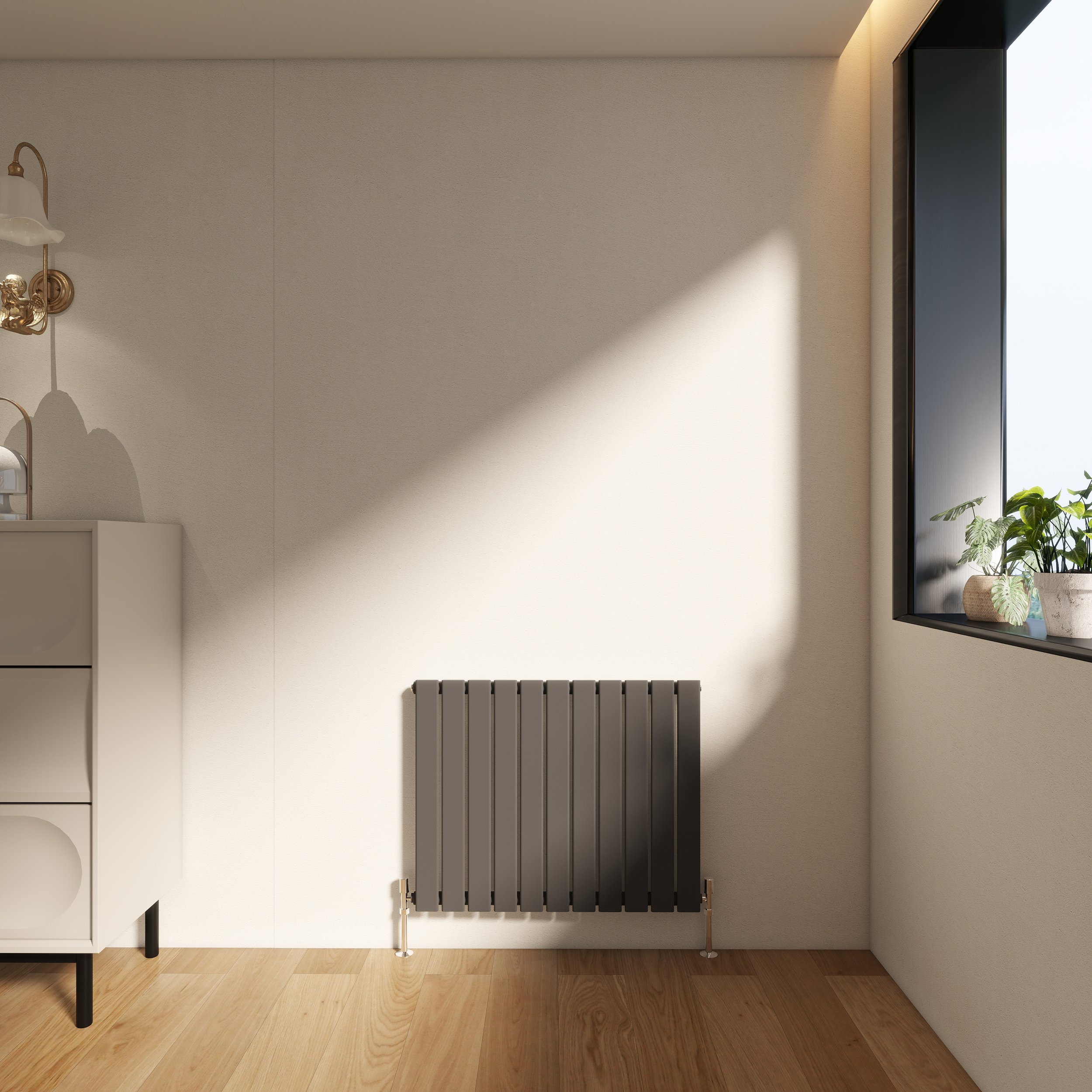 Image 20 of 32
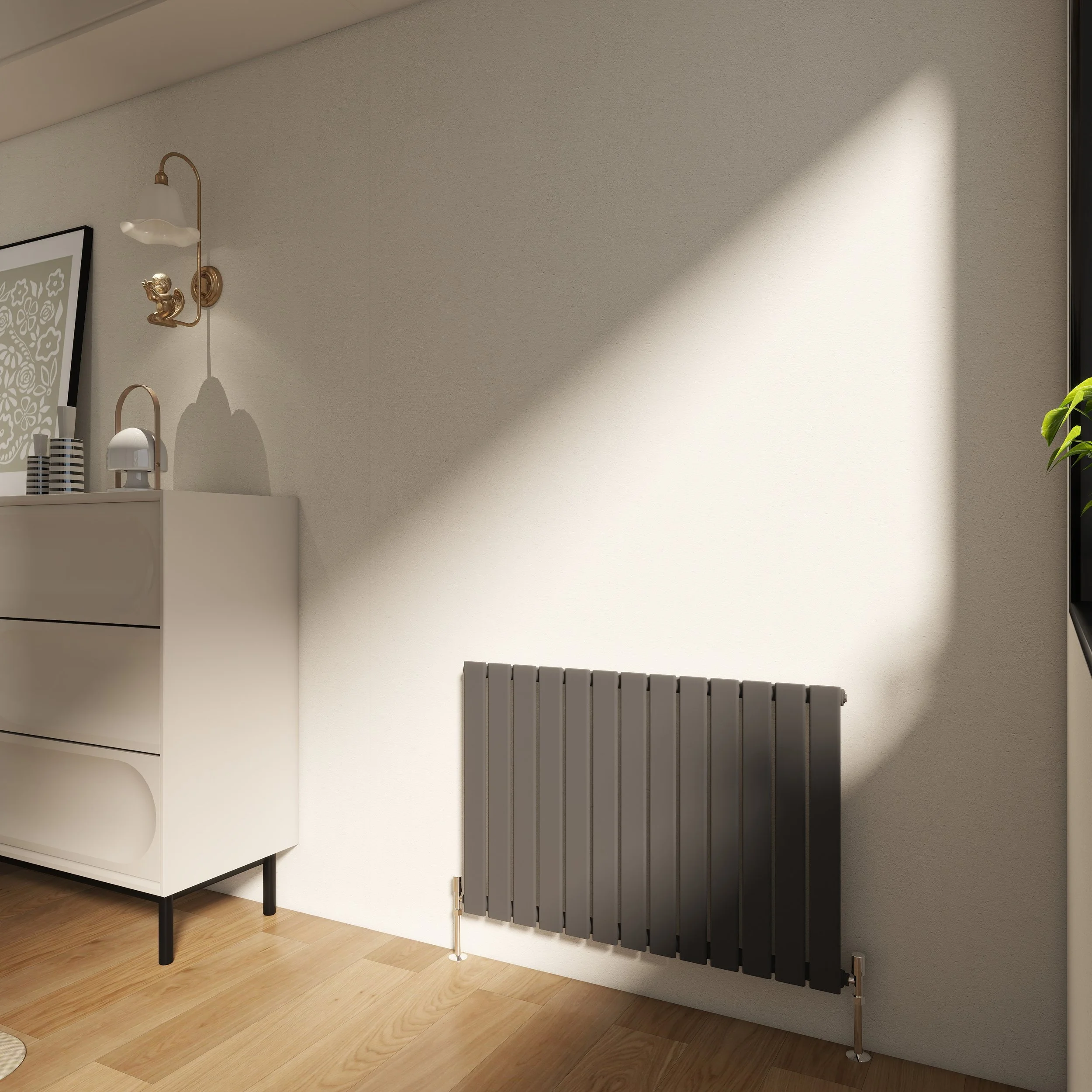 Image 21 of 32
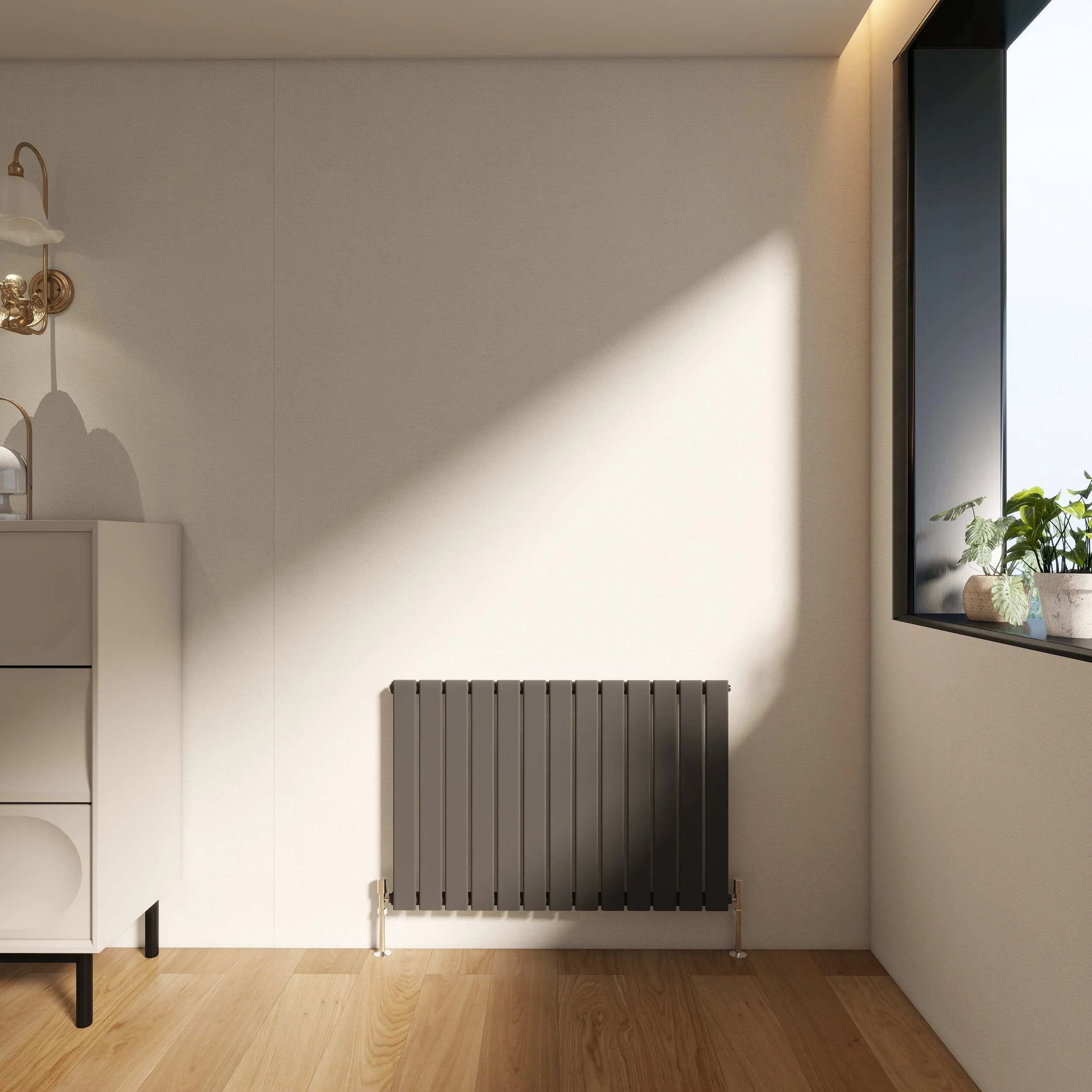 Image 22 of 32
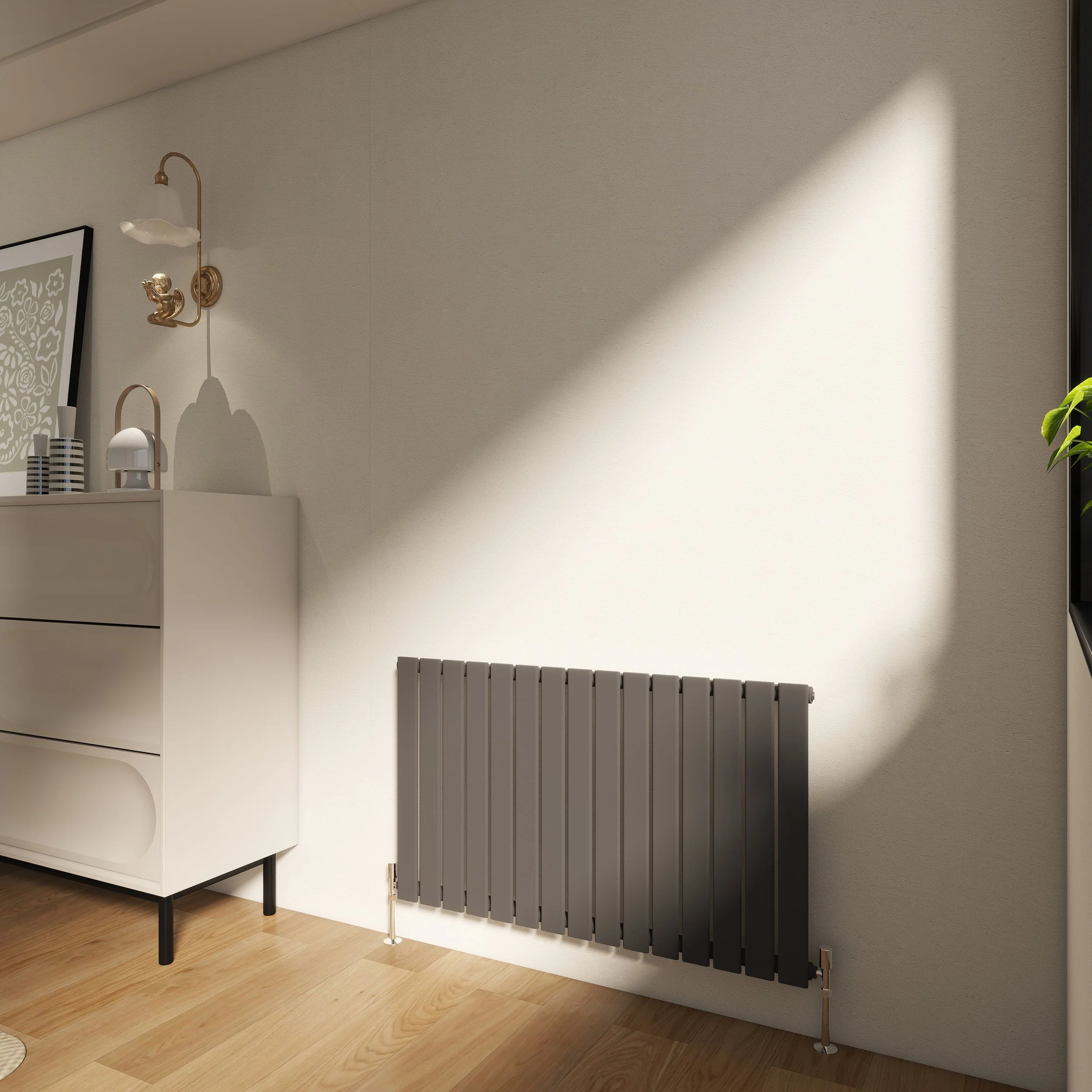 Image 23 of 32
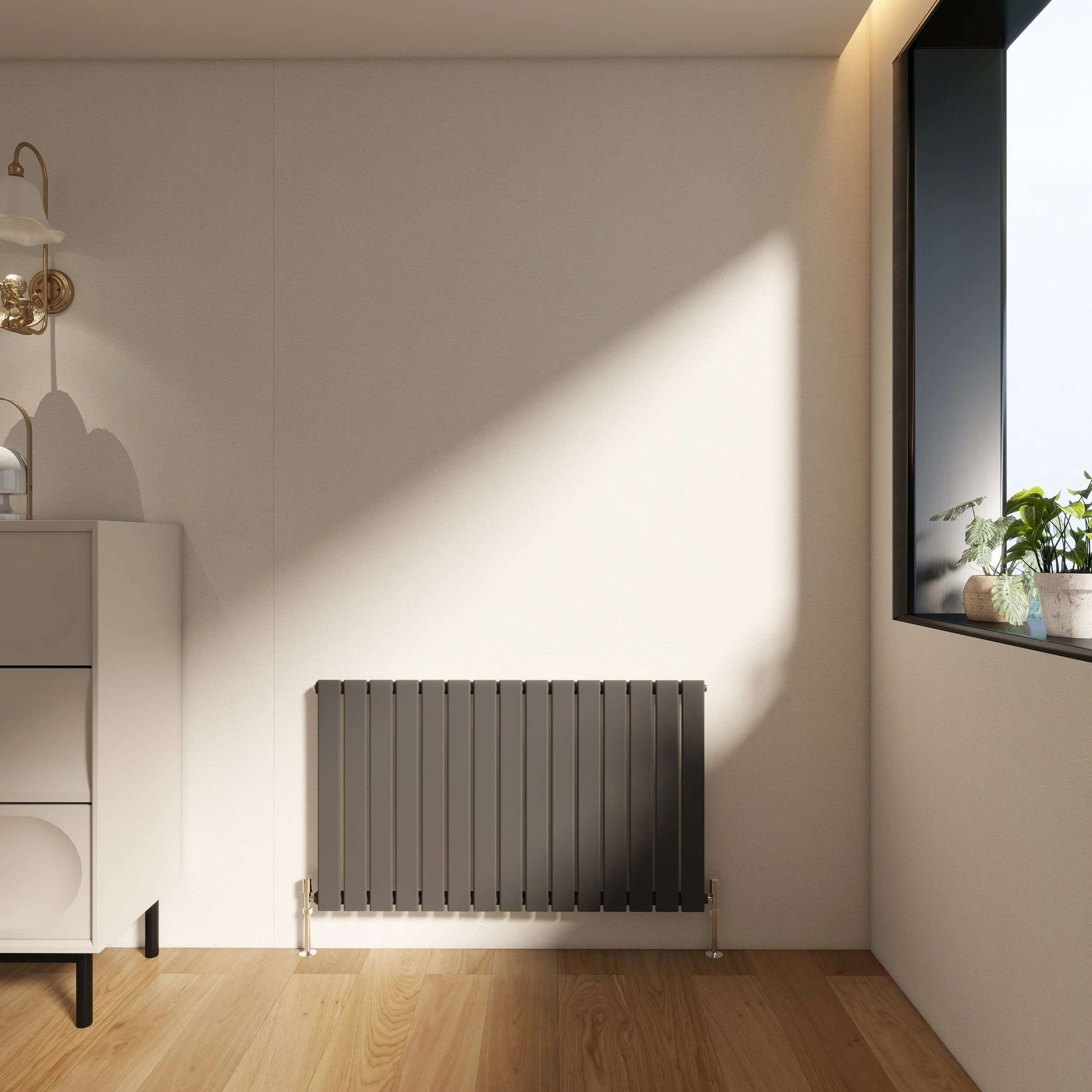 Image 24 of 32
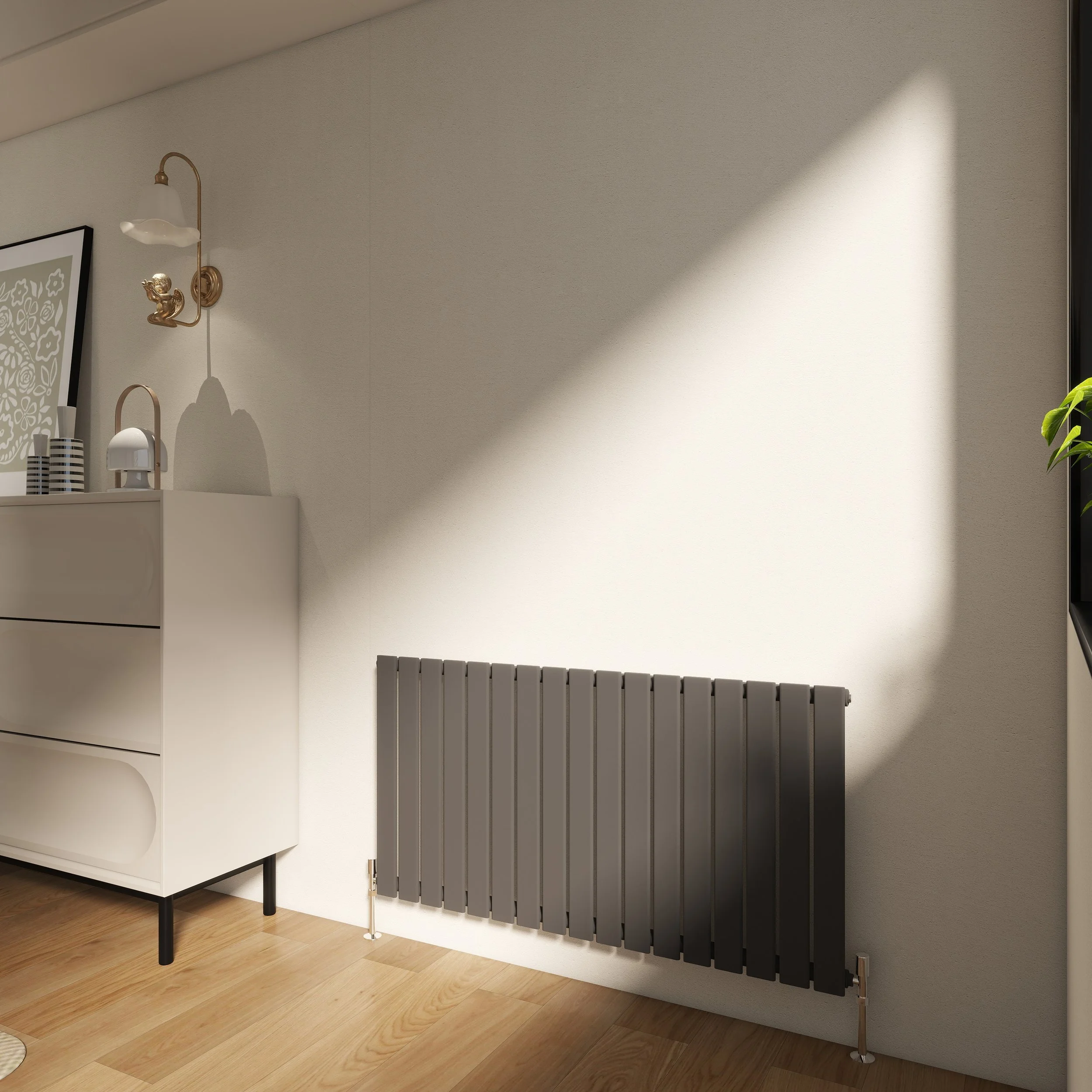 Image 25 of 32
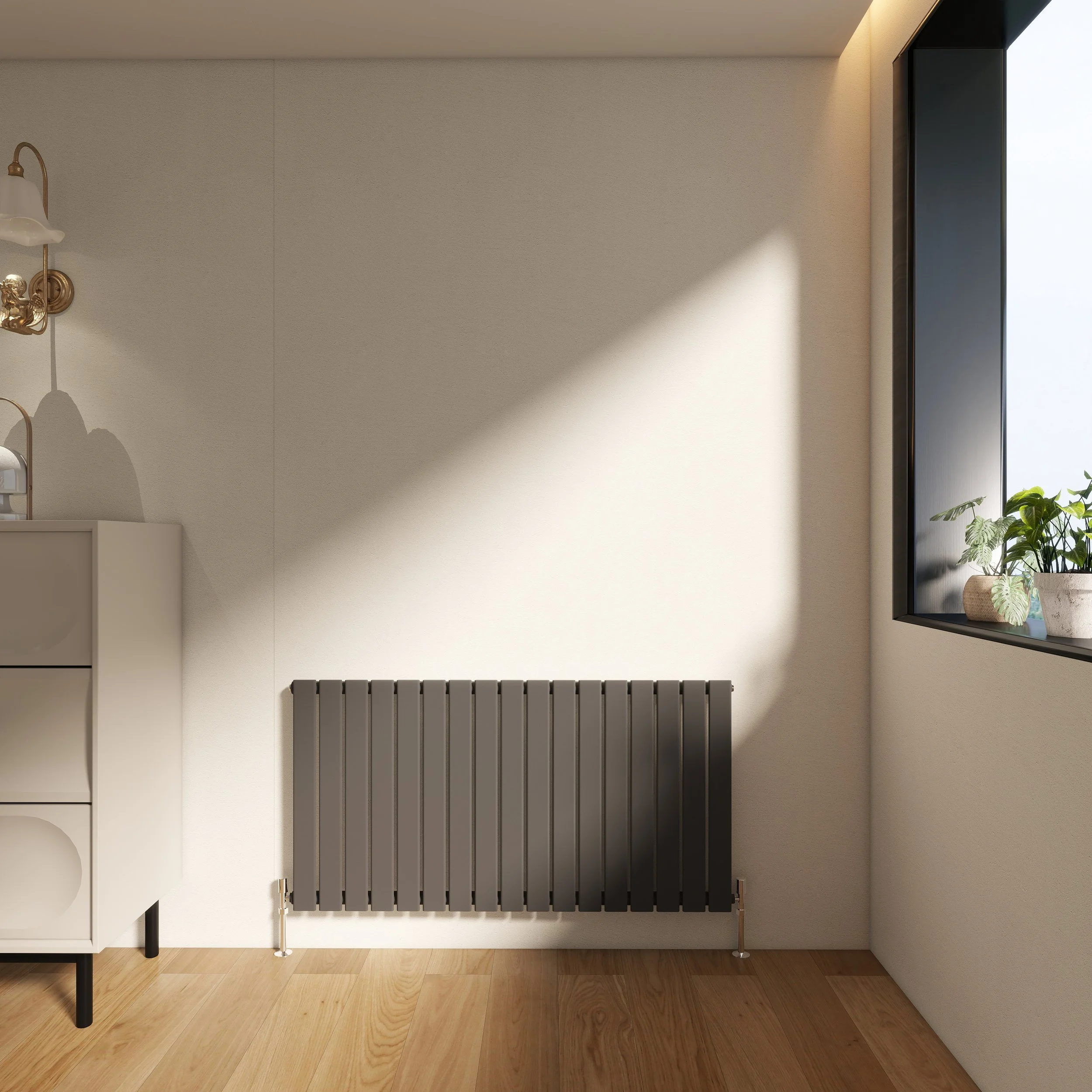 Image 26 of 32
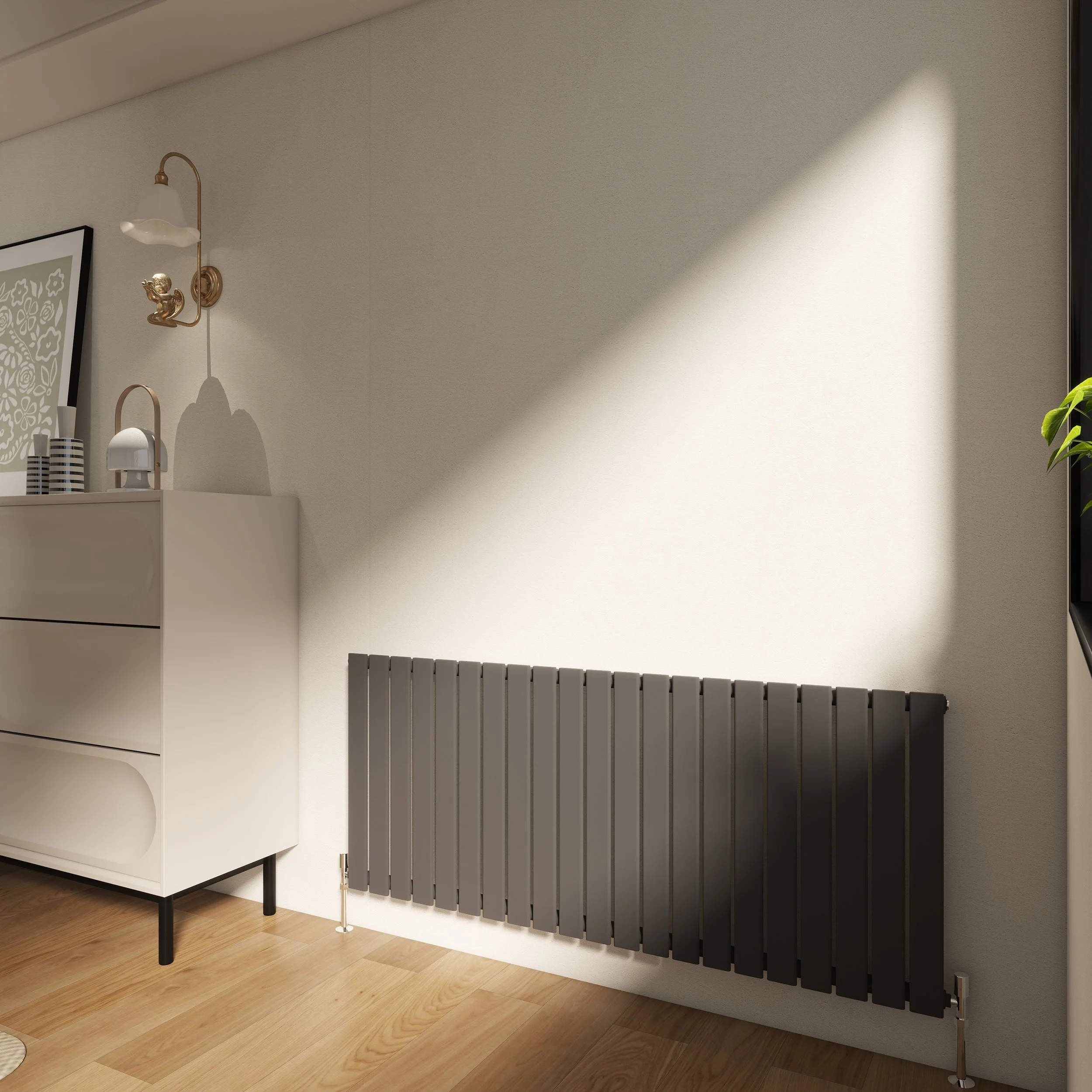 Image 27 of 32
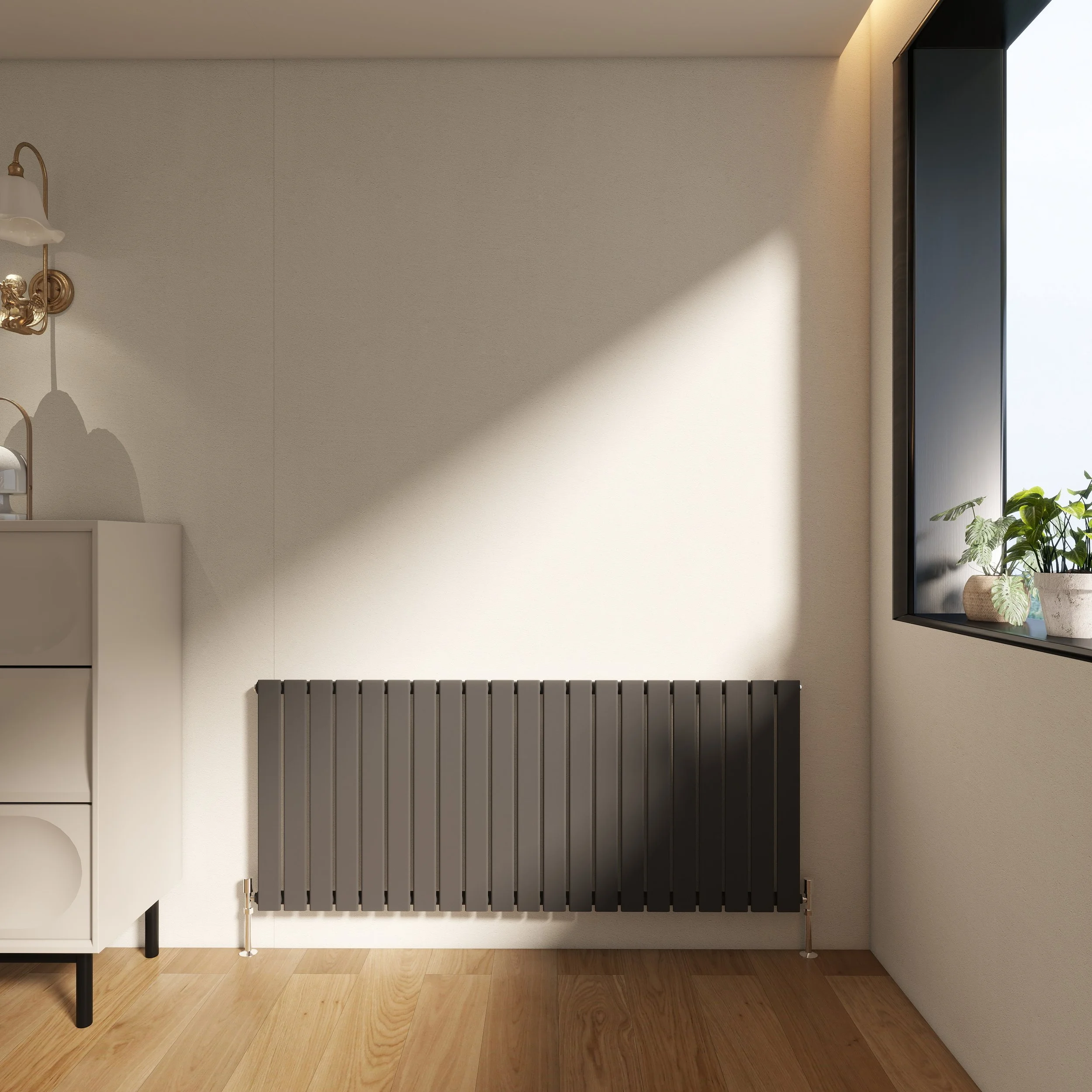 Image 28 of 32
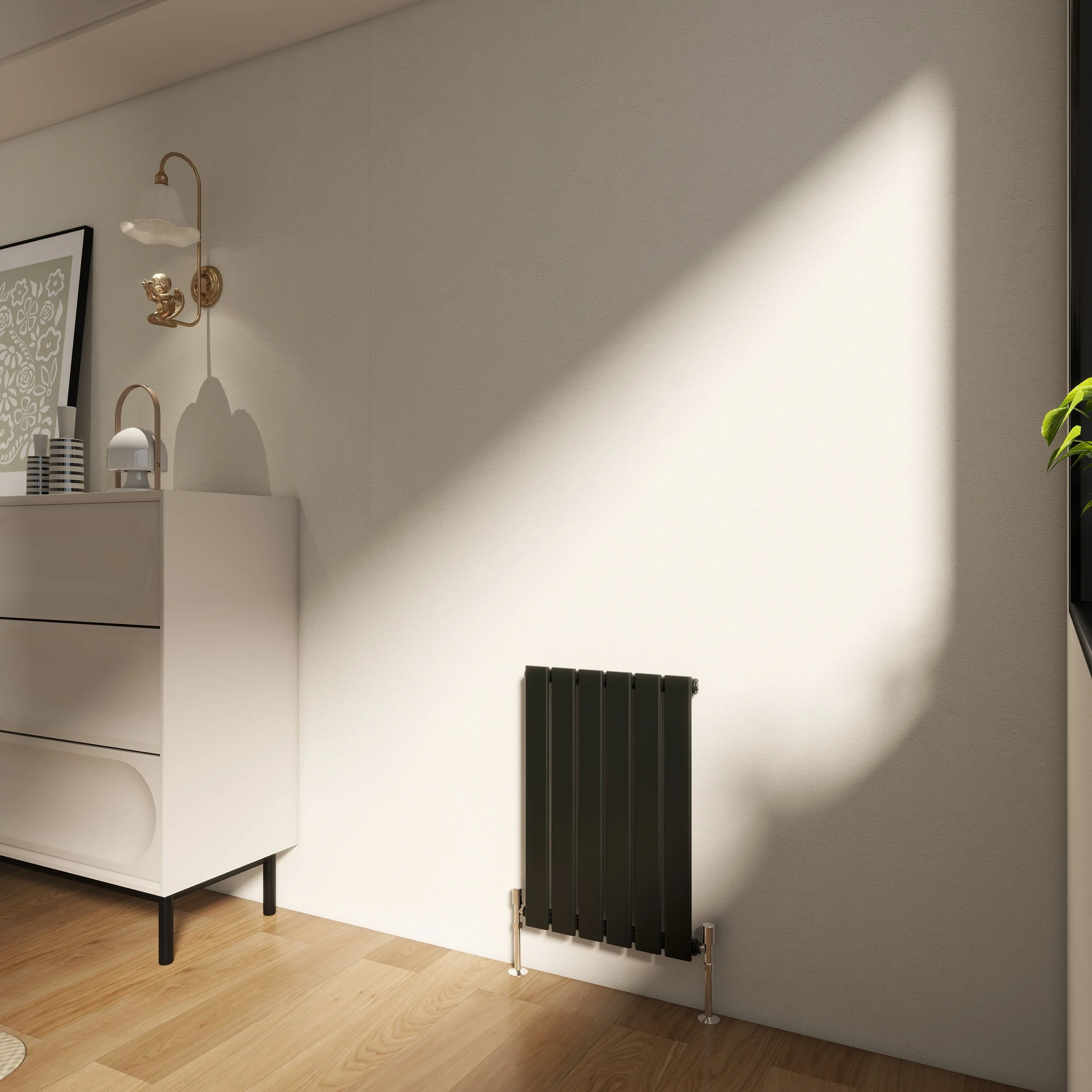 Image 29 of 32
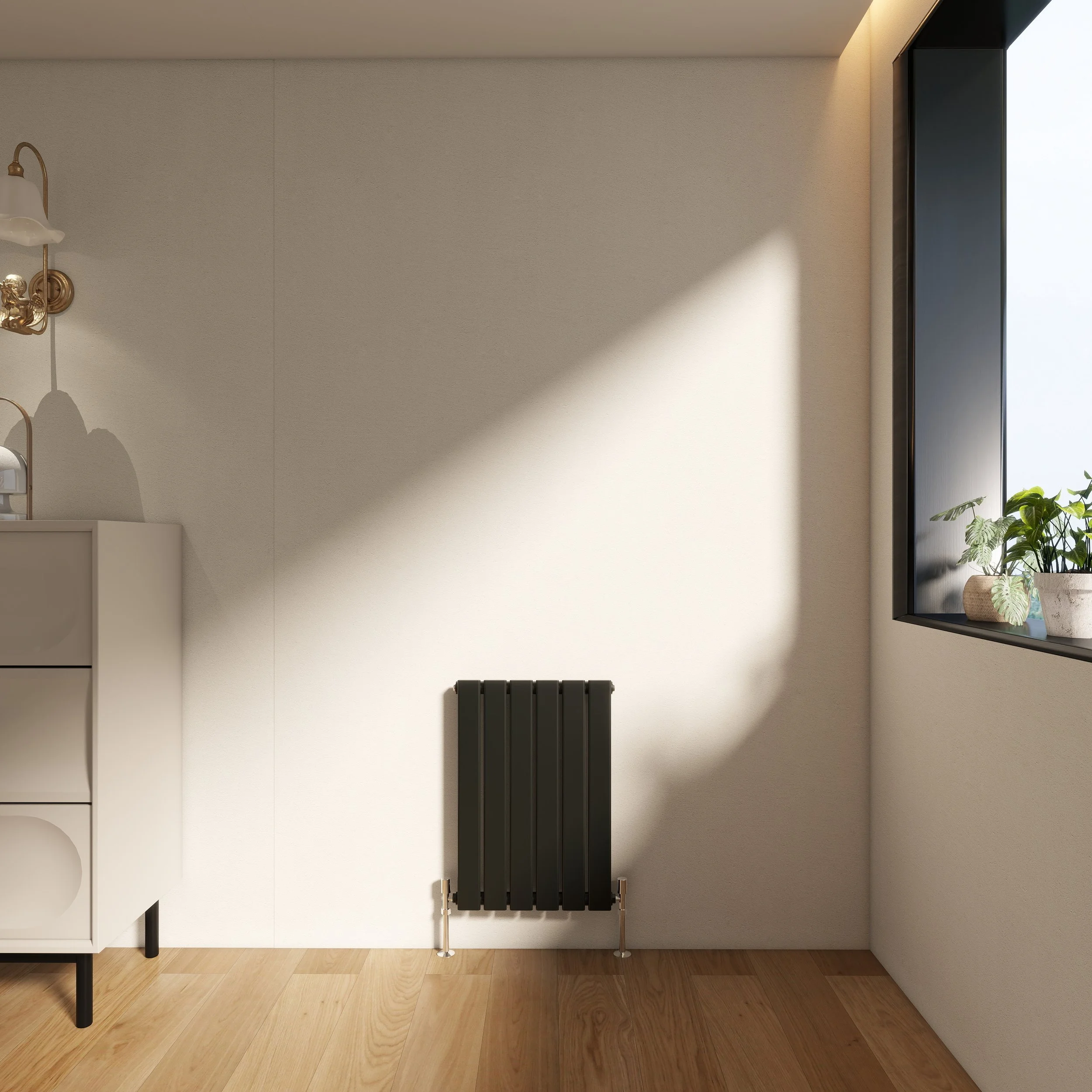 Image 30 of 32
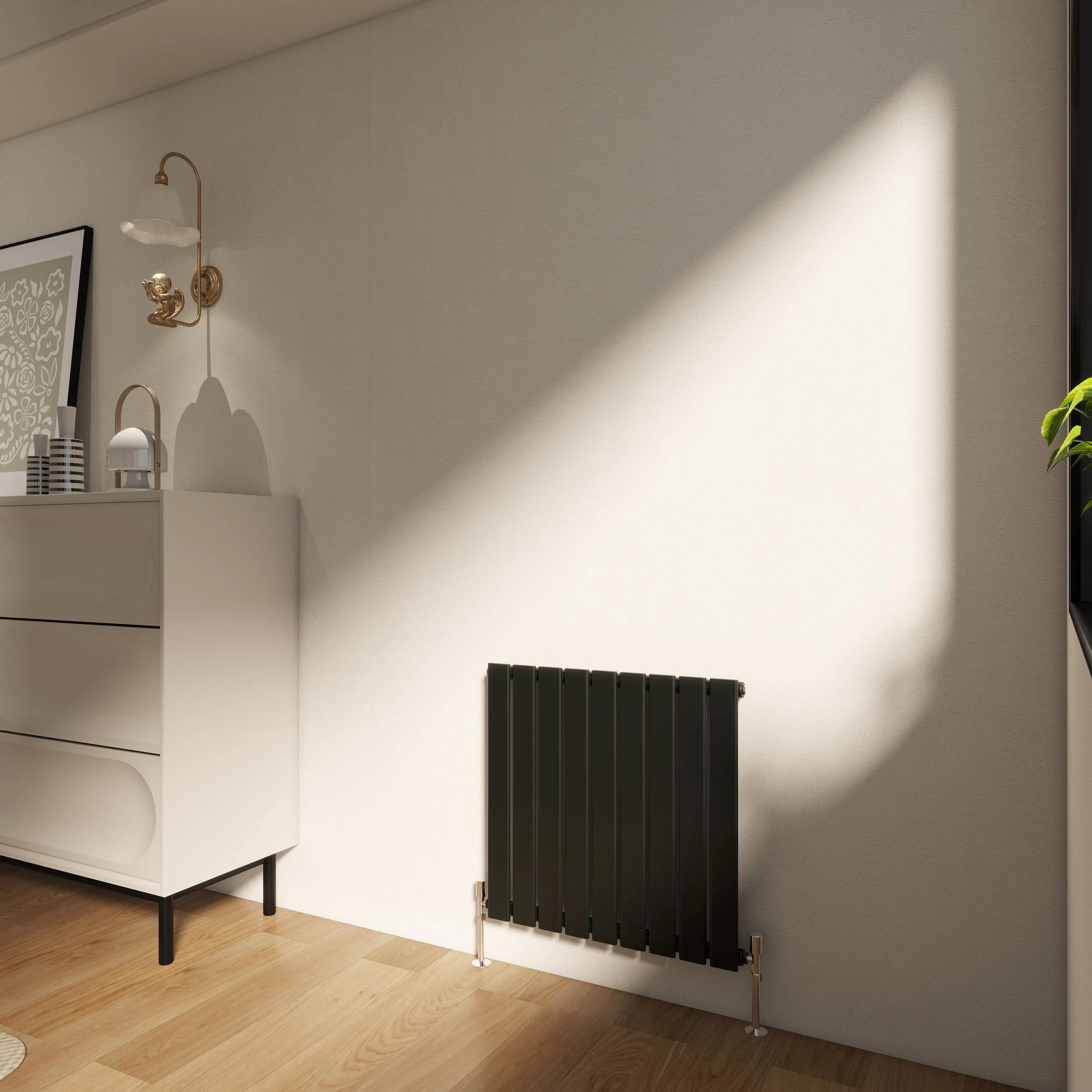 Image 31 of 32
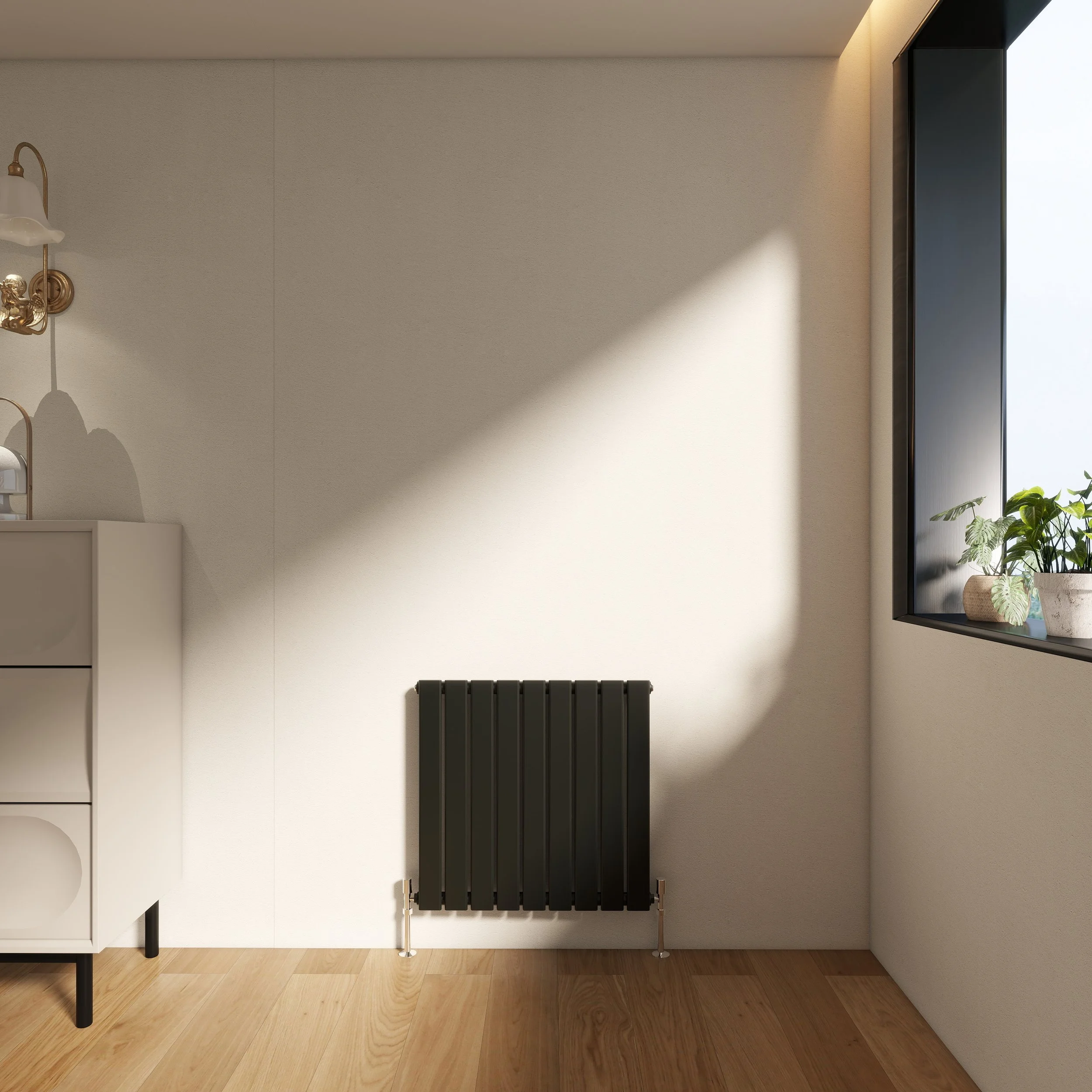 Image 32 of 32